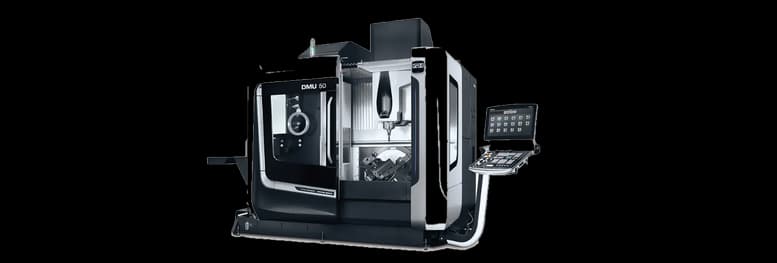

Used 5 axis Machining Centers for Sale
• Haas • Mazak • DMG Mori
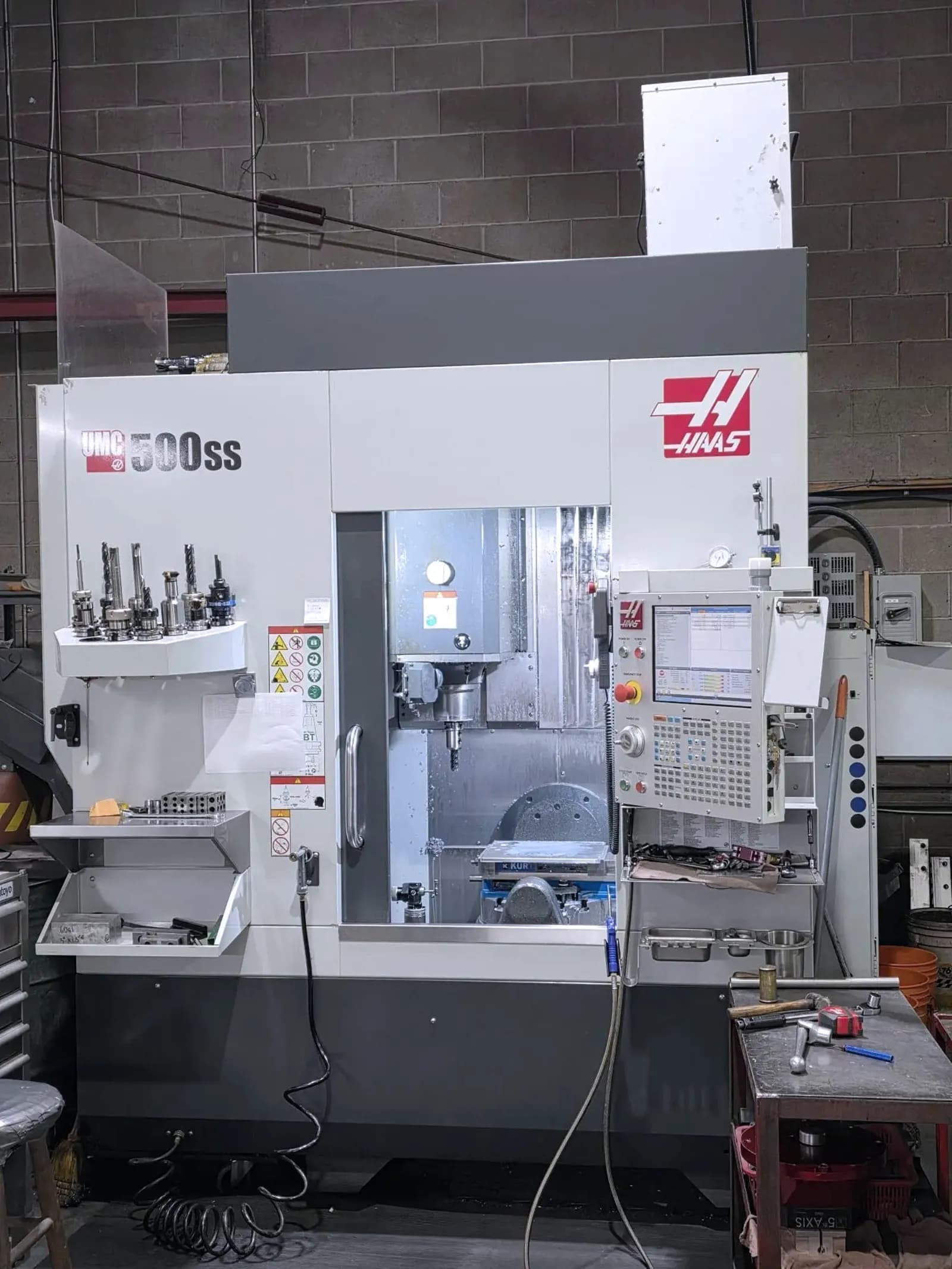
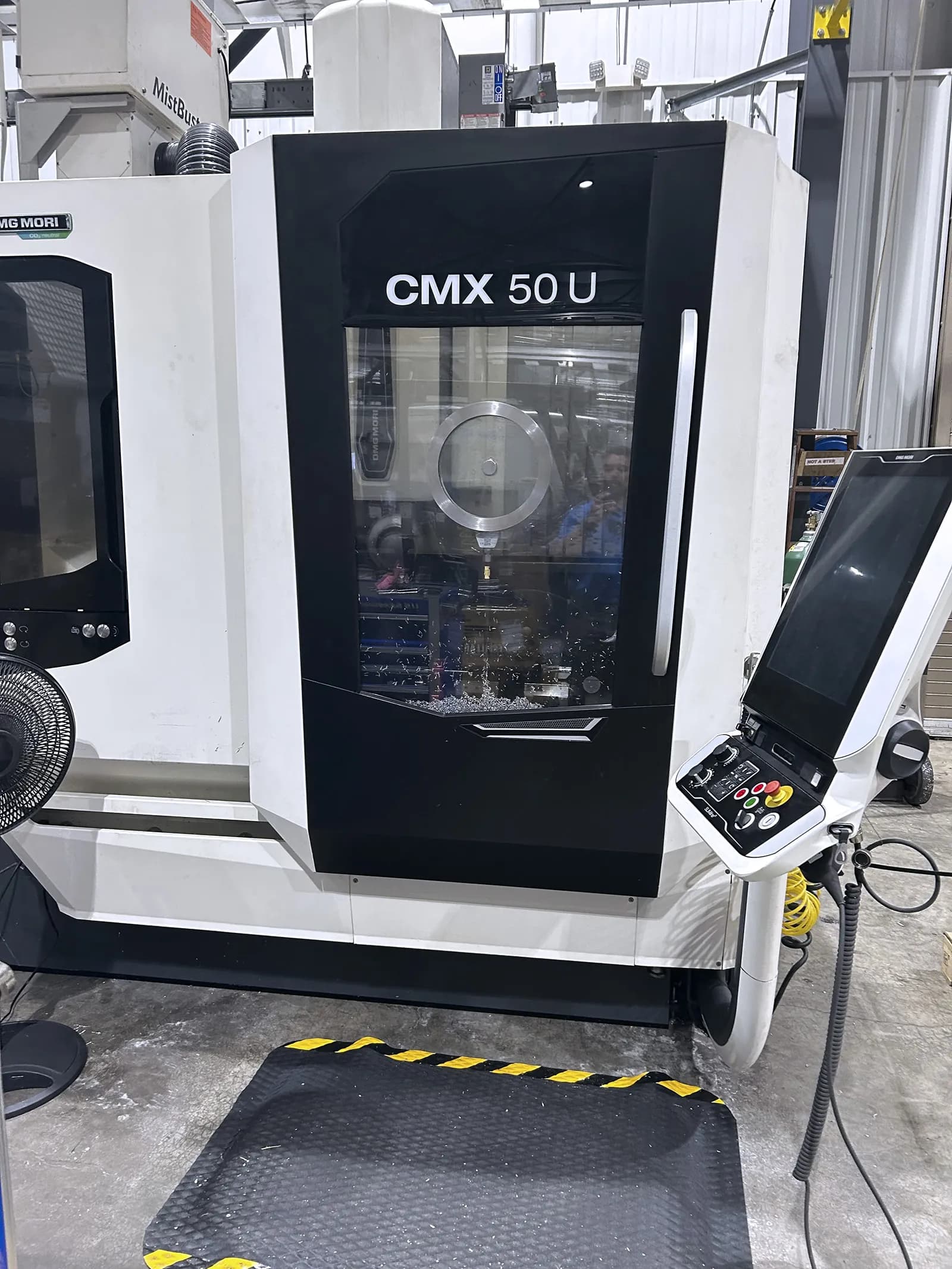
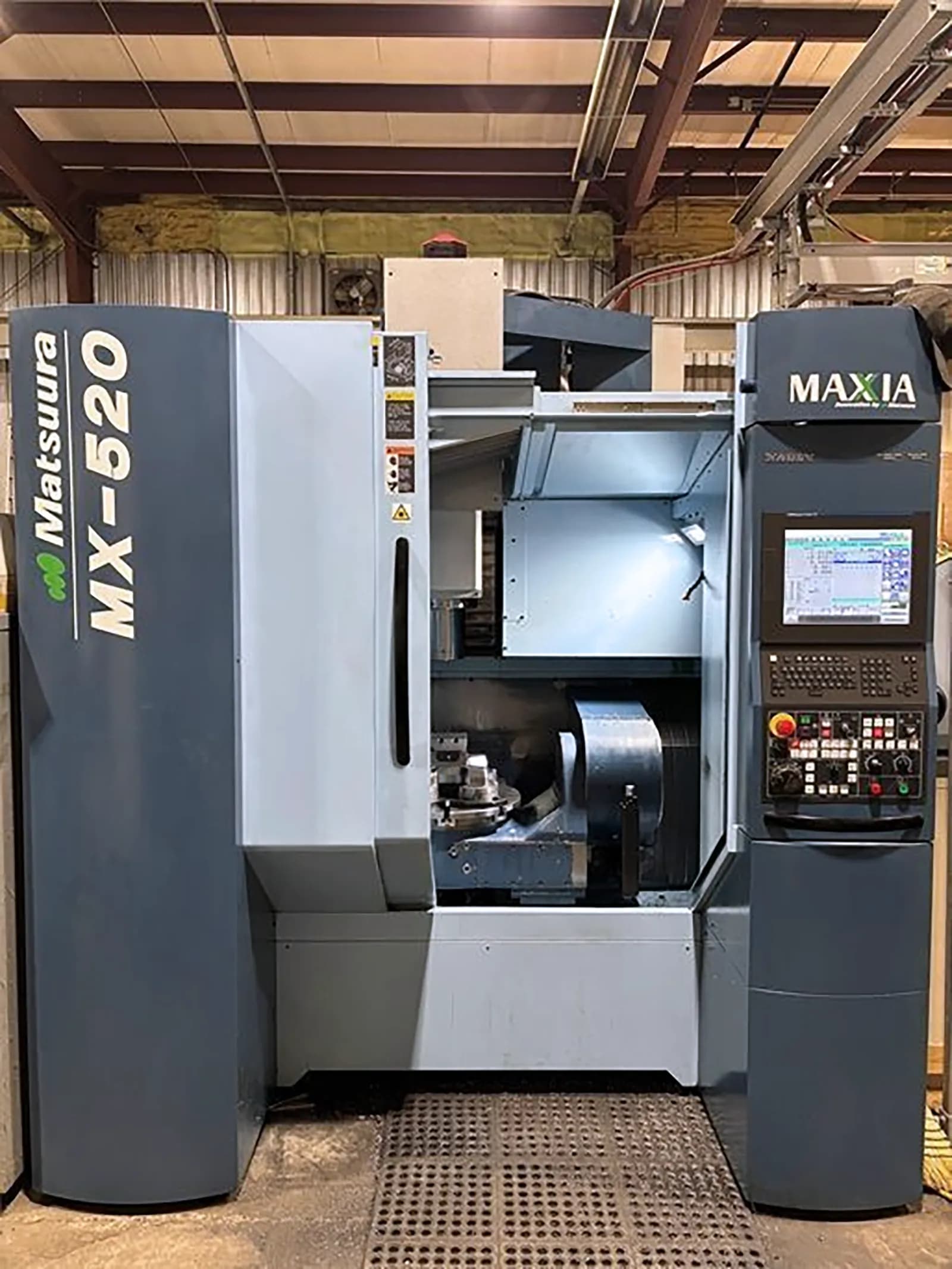
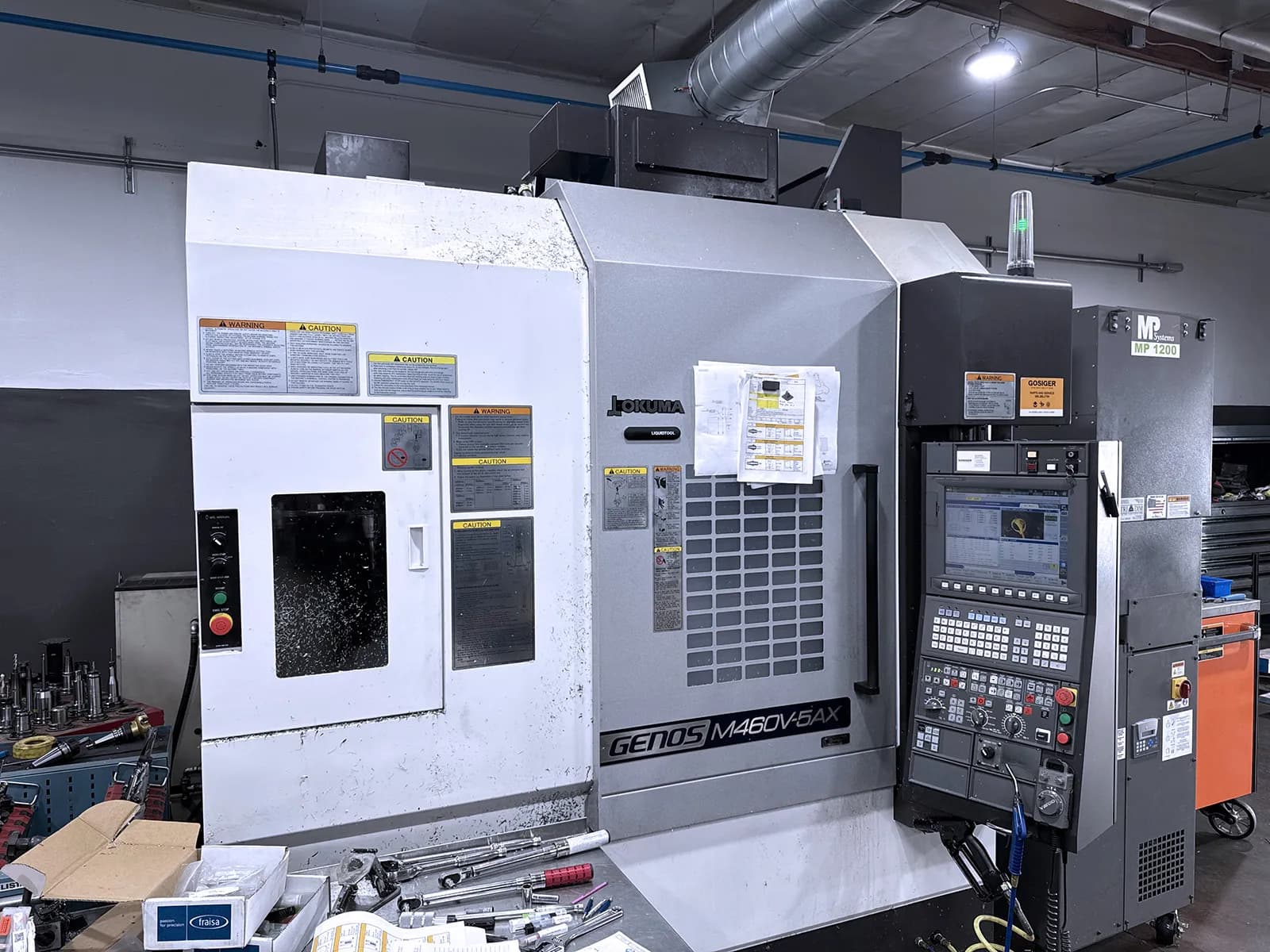
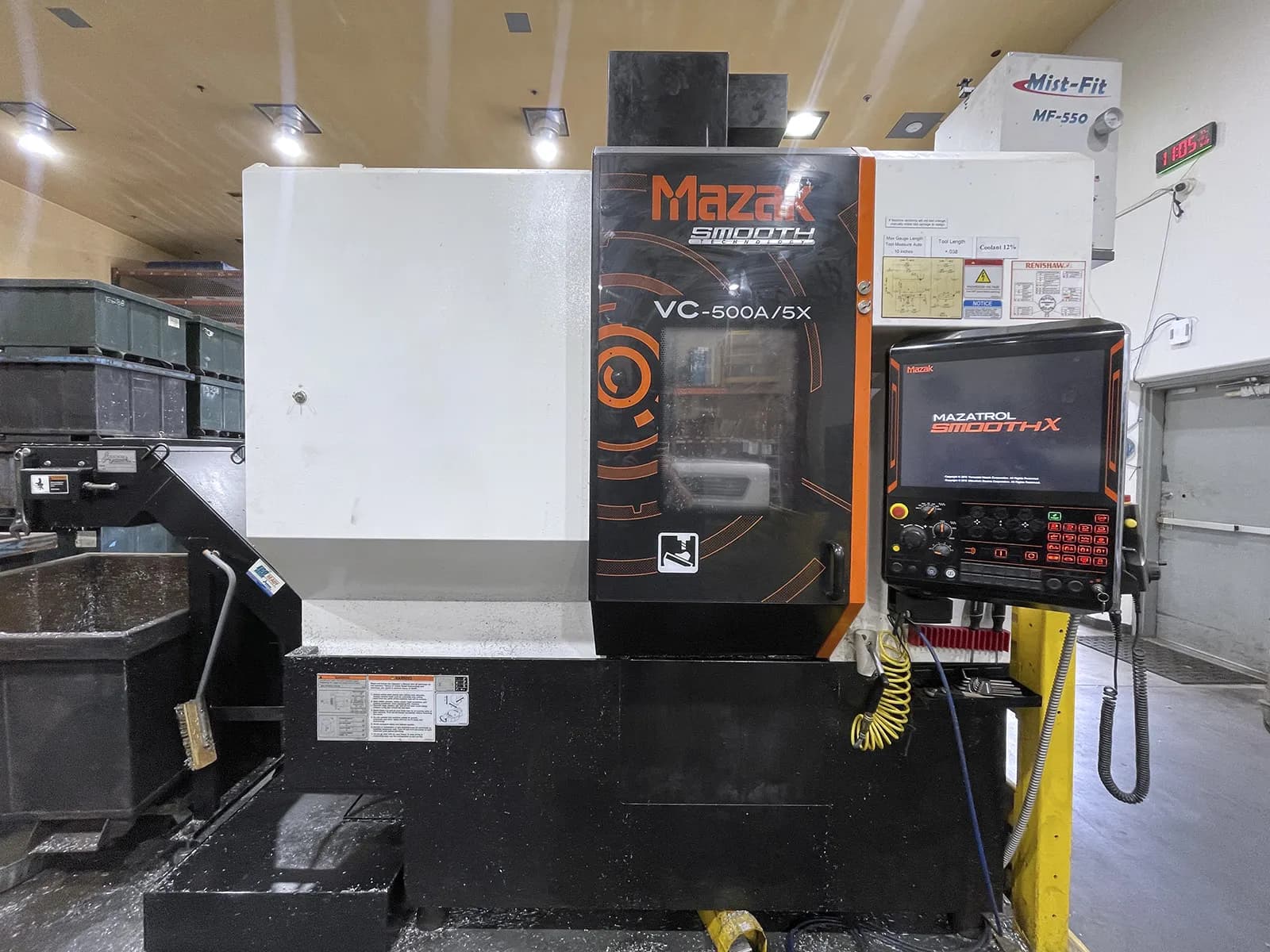
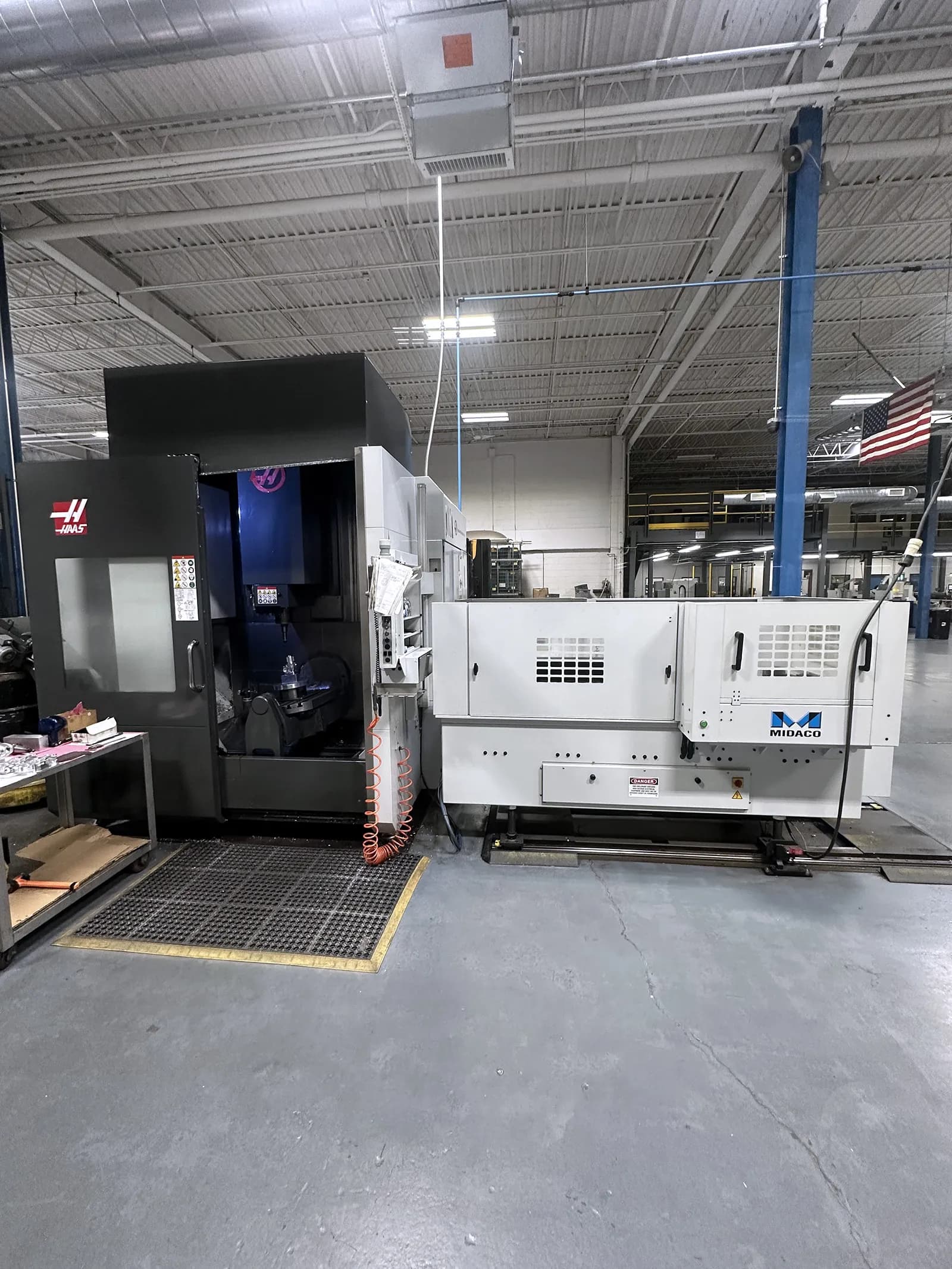
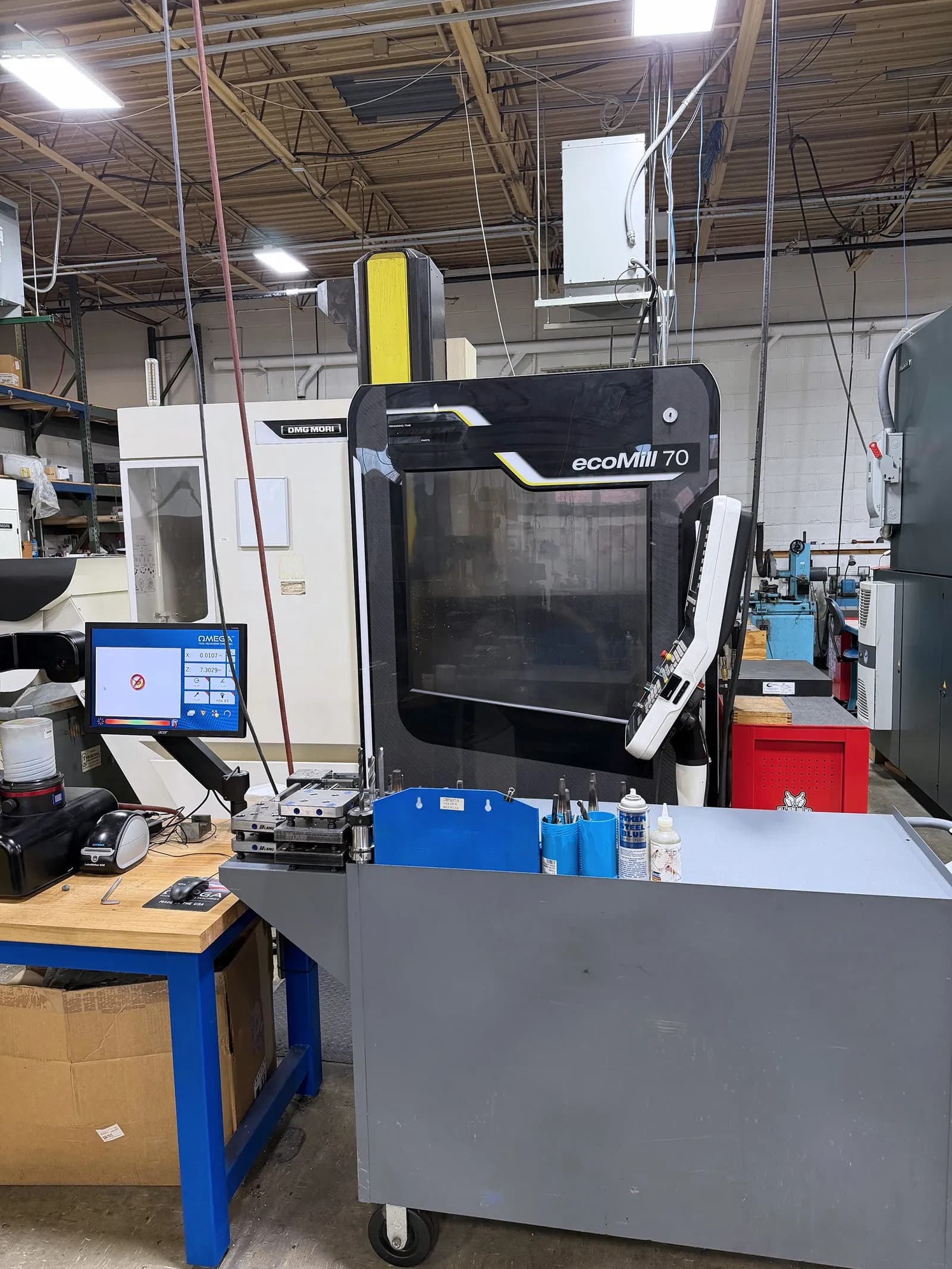
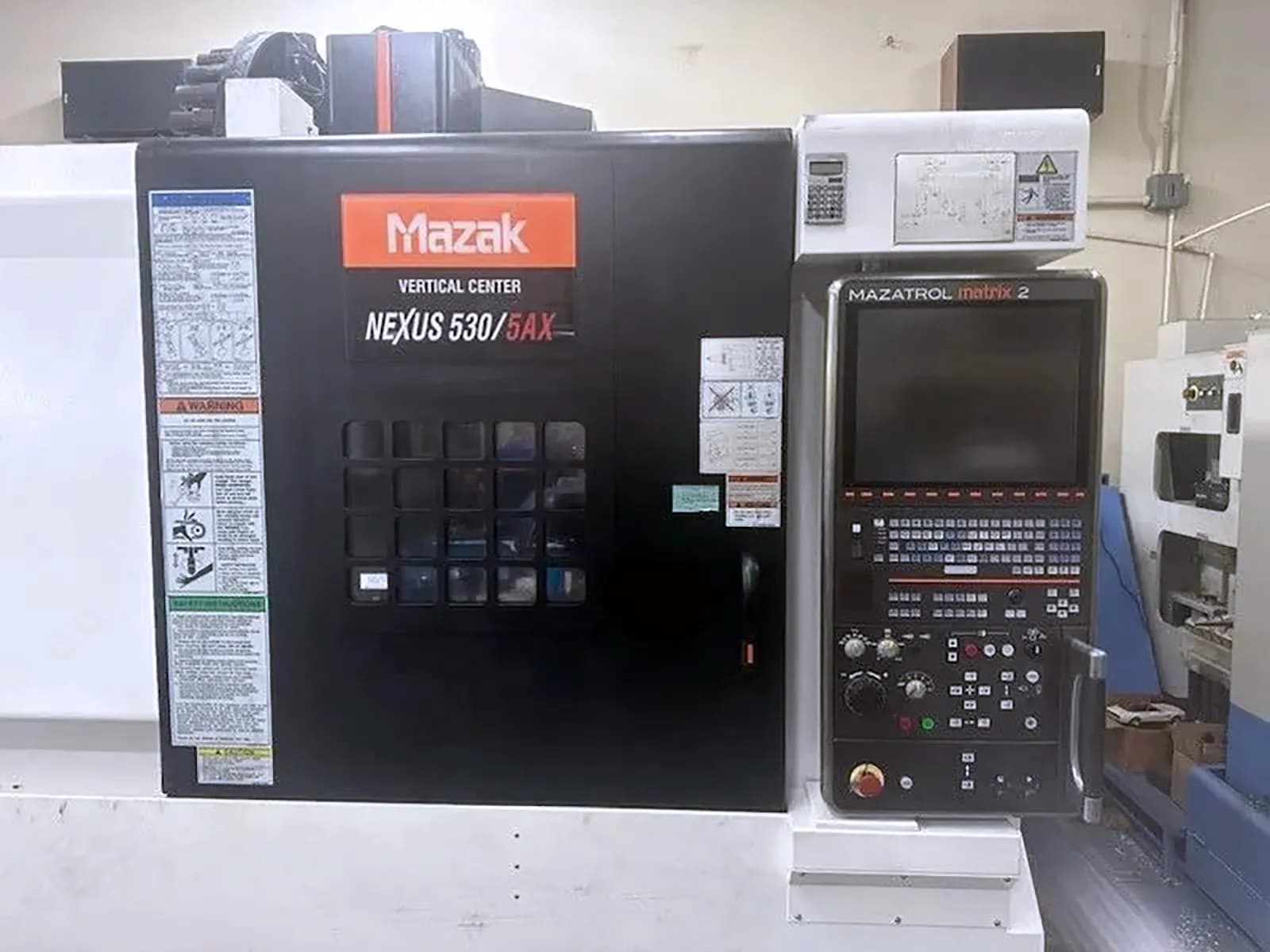
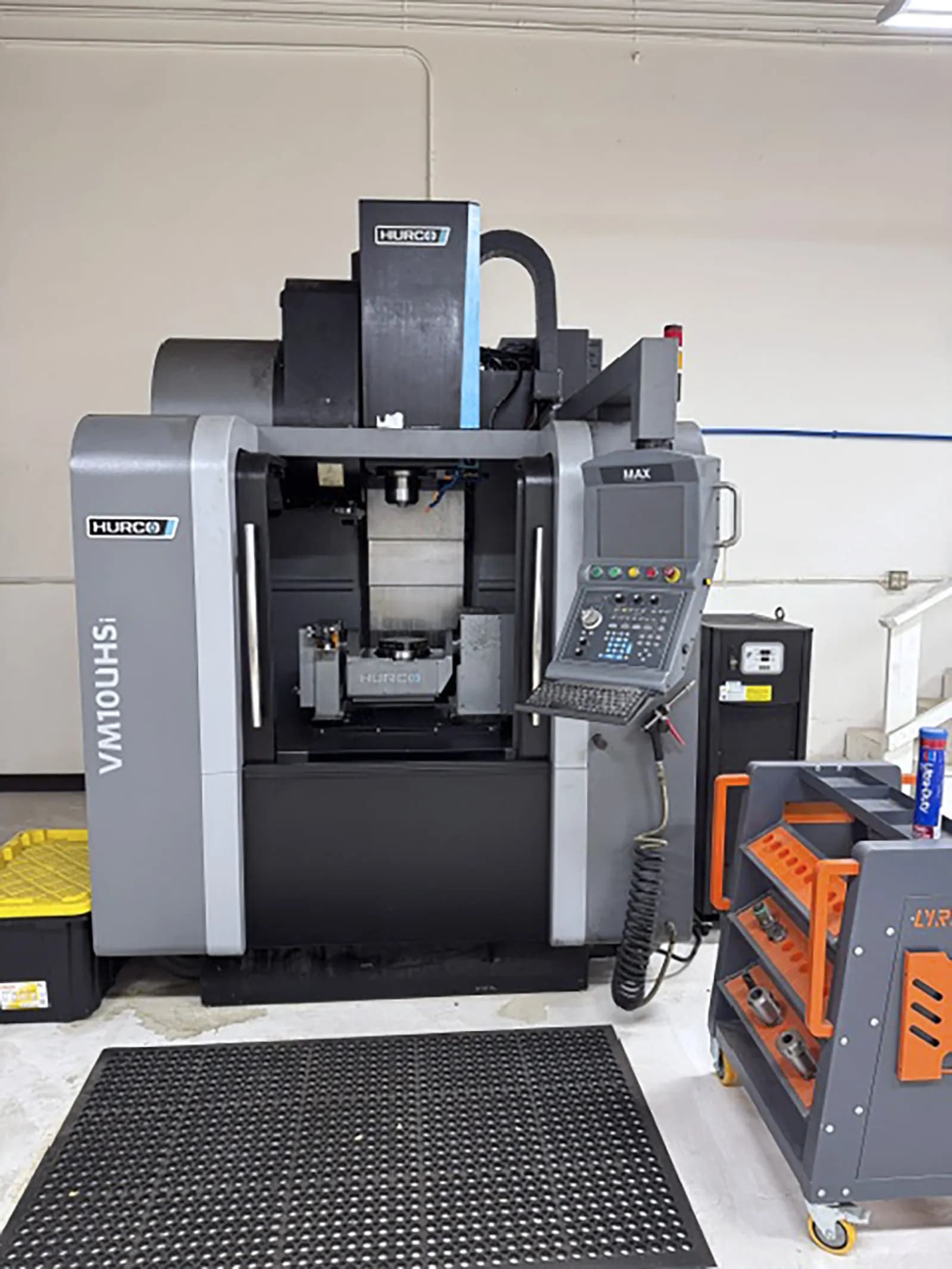
5 axis machining centers are CNC mills that move the cutting tool or workpiece across five axes simultaneously, allowing complex aerospace structural parts, turbine blades, and medical implants to be machined in a single setup rather than repositioned across multiple operations. MMI sources used 5 axis machining centers from Haas, Mazak, Okuma, DMG Mori, Makino, and Matsuura directly from manufacturers, giving you access to proven simultaneous and 3+2 positional platforms without the new machine price tag or lead time.
Filters
Reset AllBrand
Control
Price
Year of Manufacture
Condition
Relevance:
Showing 1-20 of (28) results


GET CASH VALUE
Turn Surplus CNC machines into Cash.
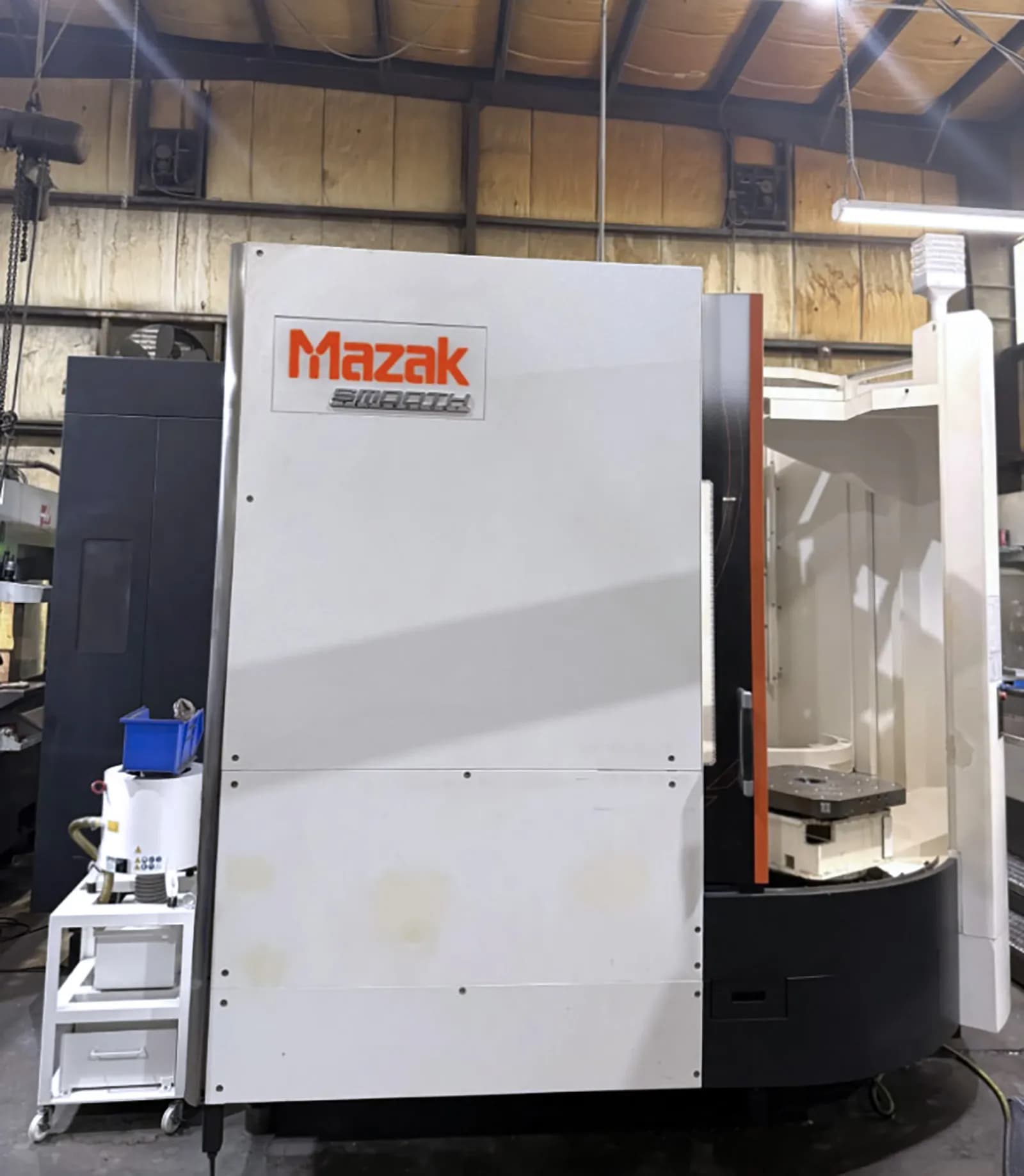
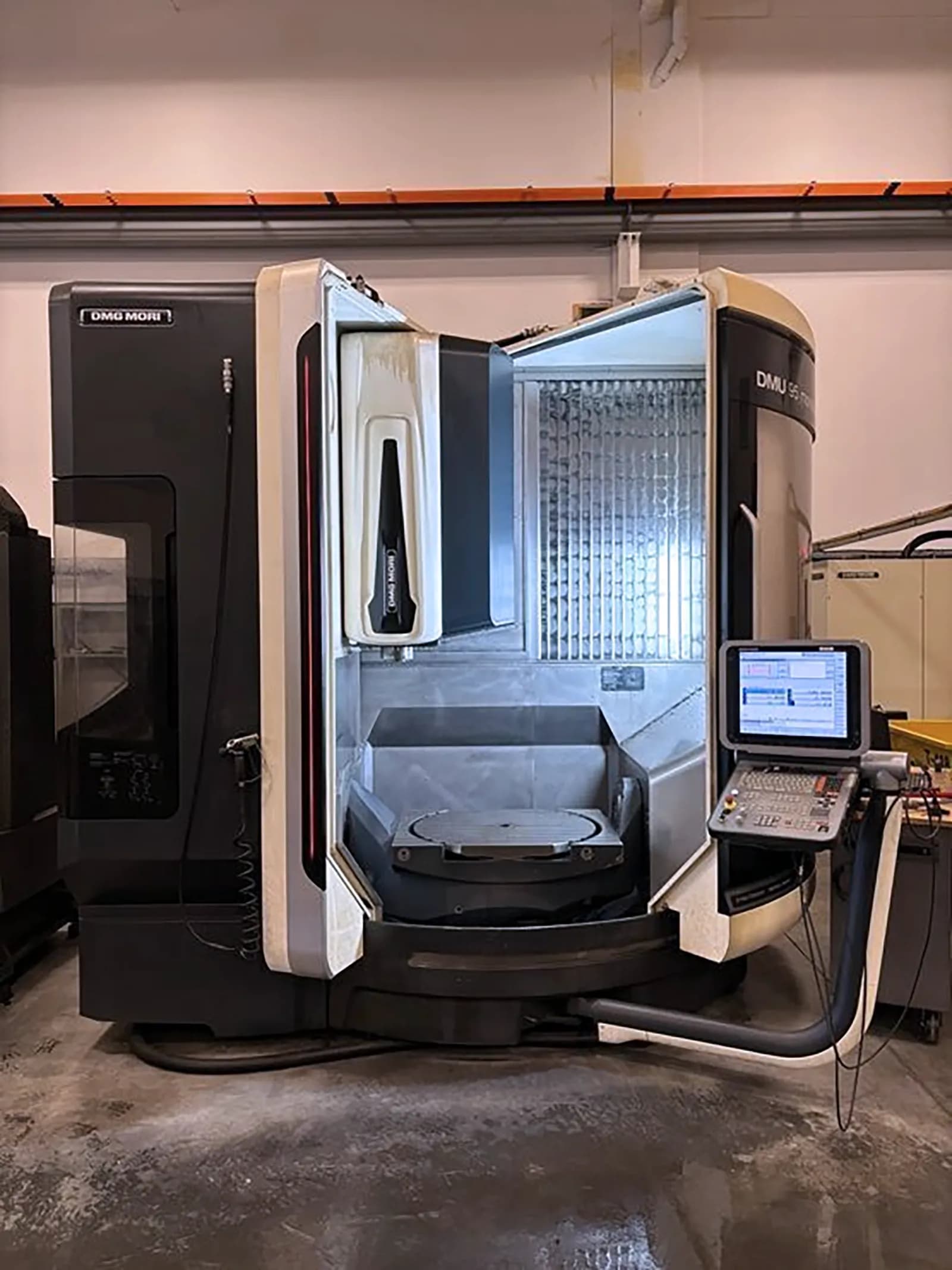
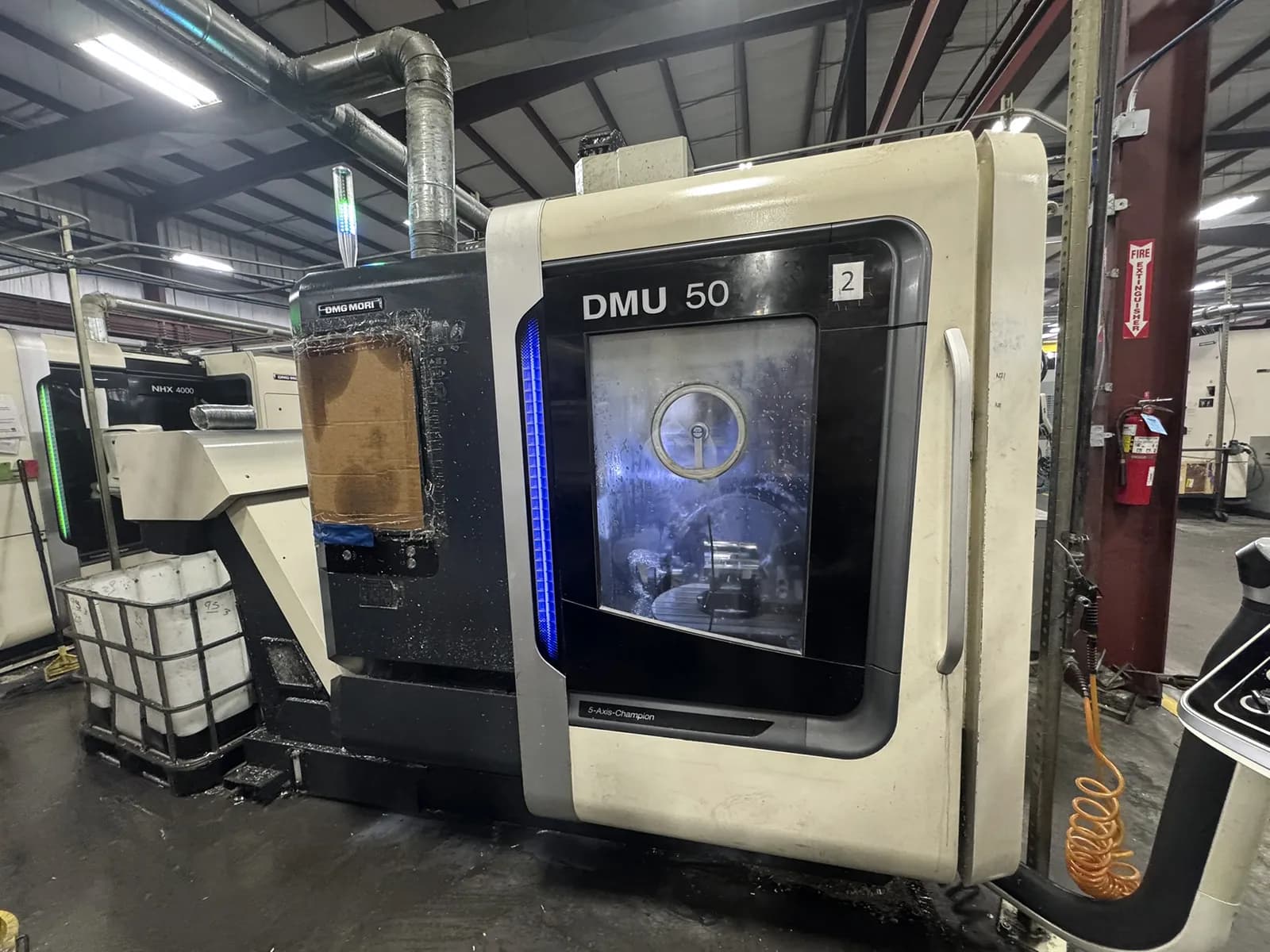
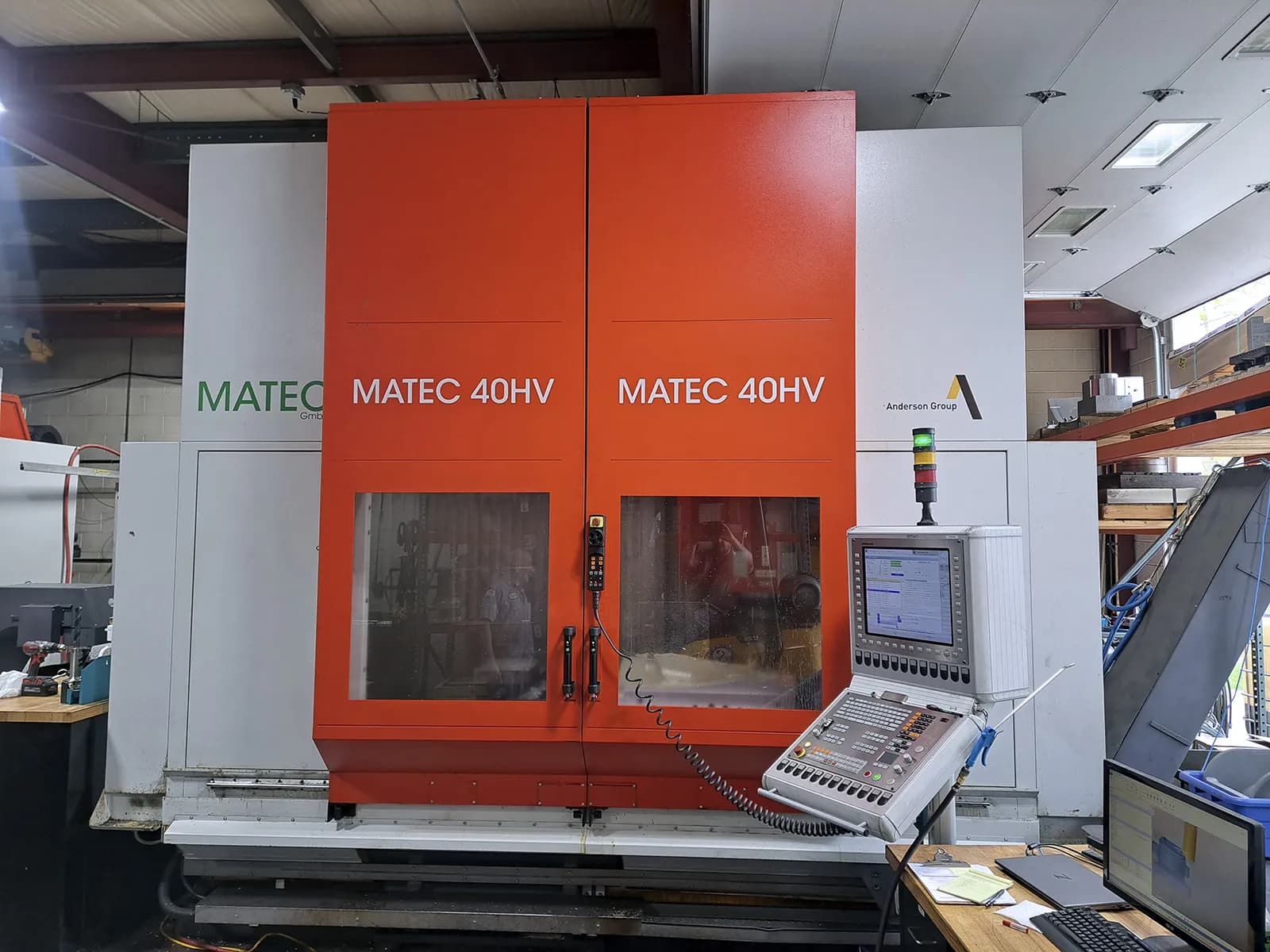

How Can MMI Help You Find the Right 5 Axis Machining Center?
MMI helps buyers determine whether their parts actually require simultaneous 5 axis motion or whether a more affordable 3+2 positional platform will do the job, since the two capabilities carry very different price points.
Here is what that looks like in practice:
- Application matching. We ask about part geometry and whether your job requires continuous multi-axis motion or fixed-angle positioning, then point you toward the correct platform, Haas UMC, Mazak Variaxis, Okuma MU-V, DMG Mori DMU, Makino D-Series, or Matsuura MX, instead of just what is currently in stock.
- Control and rotary axis documentation. Every listing notes the control platform and rotary axis configuration, trunnion table or otherwise, so you know exactly what you are buying.
- Financing and trade in support. MMI helps structure financing on used 5 axis machining centers and can factor in a trade in of your existing machine.
- Nationwide and international rigging and logistics. Our logistics team manages disconnect, transport, and reinstallation, including recalibration considerations specific to multi-axis platforms.
- Model sourcing. If the exact configuration you need is not currently listed, our team actively sources it from our network.
If you are not sure which 5 axis machining center fits your application, contact our machinery specialists or review financing options before you buy.
What Is a 5 Axis Machining Center?
A 5 axis machining center is a CNC milling machine capable of moving along five axes simultaneously, adding two rotational axes to the three linear axes found on a standard machine.
Standard axis configuration includes:
- X axis — left to right movement
- Y axis — front to back movement
- Z axis — up and down movement
- Two rotational axes — allow the cutting tool or workpiece to rotate during machining, commonly through a trunnion table or rotary head
These additional axes let the machine approach a part from multiple directions without repositioning the workpiece, which reduces setup time and improves accuracy on complex components such as aerospace structural parts, turbine blades, medical implants, automotive engine components, and mold and die tooling.
Types of 5 Axis Machining Centers
| Type | How It Works | Best Suited For |
|---|---|---|
| 3+2 Positional 5 Axis | Rotary axes position the workpiece at a fixed angle, then machining proceeds on X, Y, and Z | Parts needing multiple angled surfaces without continuous multi-axis motion |
| Simultaneous 5 Axis | All five axes move at the same time during cutting | Extremely complex surfaces and geometries such as turbine blades and aerospace components |
Simultaneous machining improves surface finish and reduces the number of setups needed on the most complex parts, while 3+2 positional machining covers a large share of real-world jobs at a lower cost.
5 Axis Machining Center Model Reference
| Brand and Series | Popular Models |
|---|---|
| Haas UMC | Haas UMC-500, Haas UMC-750, Haas UMC-1000 |
| Mazak Variaxis | Mazak Variaxis i-600, Mazak Variaxis i-700, Mazak Variaxis j-600 |
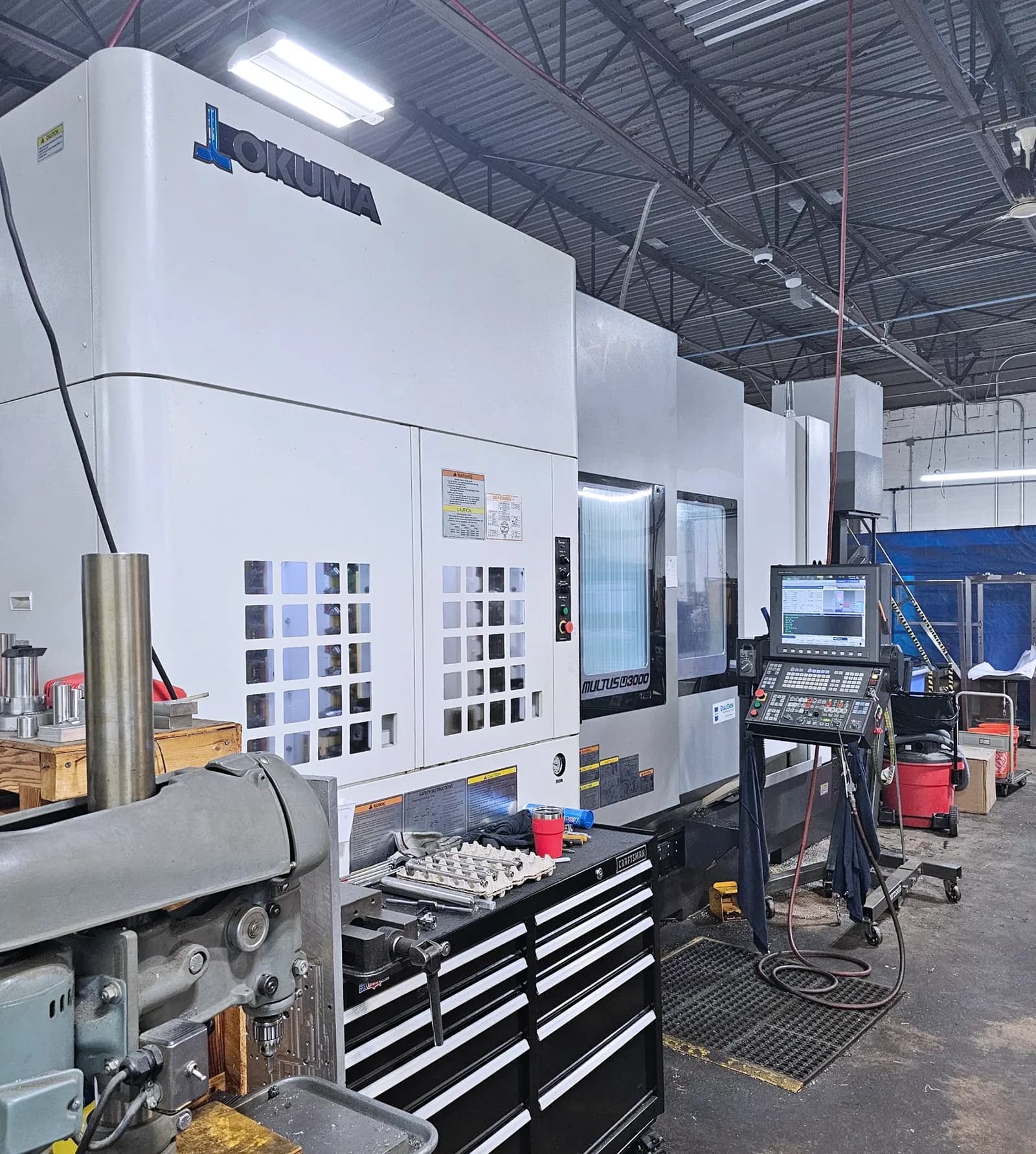
| Okuma MU-V | Okuma MU-4000V, Okuma MU-5000V, Okuma MU-6300V, Okuma MU-8000V |
| DMG Mori DMU | DMG Mori DMU 50, DMG Mori DMU 65, DMG Mori DMU 80 |
| Makino D-Series | Makino D200Z, Makino D300, Makino D500 |
| Matsuura MX | Matsuura MX-330, Matsuura MX-420, Matsuura MX-520, Matsuura MX-850 |
Matsuura has no dedicated brand page on your site, unlike the other five manufacturers, so that row is left unlinked rather than pointed at a placeholder or a page that does not exist. Worth considering as a future brand page if Matsuura generates meaningful search volume on its own.
Industries That Use 5 Axis Machining Centers
5 axis machining centers are widely used in industries that require complex machining and tight tolerances, including:
- aerospace manufacturing
- medical device production
- automotive component manufacturing
- mold and die manufacturing
- energy and turbine component production
These industries rely on 5 axis capability to machine parts with complex geometries while maintaining excellent dimensional accuracy in a single setup.
Why Do Manufacturers Use 5 Axis Machines?
Manufacturers invest in 5 axis machining centers because completing more operations in a single setup delivers real advantages over standard 3 axis machining.
- Reduced setup time. Machining multiple faces without repositioning the part cuts hours out of complex jobs.
- Improved machining accuracy. Fewer setups means fewer opportunities for positioning error to accumulate.
- Ability to machine complex geometries. Simultaneous motion reaches contours and angles a 3 axis machine cannot access.
- Improved surface finish. Continuous tool engagement on complex surfaces produces smoother results, particularly on turbine and aerospace geometries.
- Reduced need for multiple fixtures. Fewer separate setups means less tooling investment per part.
By completing more operations in a single setup, manufacturers improve efficiency and reduce overall production time. For shops comparing new versus used, a used 5 axis machining center typically delivers the same simultaneous machining capability at a significant discount to new equipment pricing, which is where MMI's sourcing network adds the most value.
Looking for a 5 Axis Machining Center?
Tell us your part geometry and whether you need simultaneous or 3+2 positional capability, and our team will help you find the right machine, in stock or sourced through our network.