
Used Horizontal Machining Centers For Sale
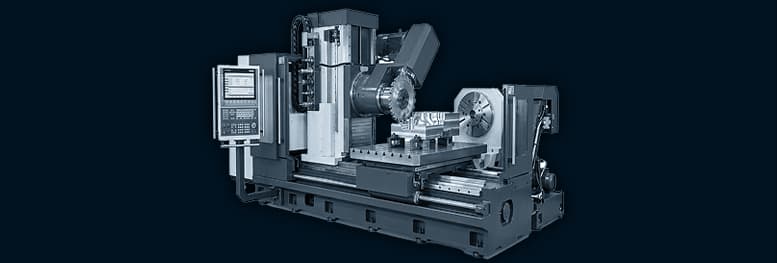
Horizontal machining centers, or HMCs, are CNC mills built with a horizontally oriented spindle, giving them superior chip evacuation and the ability to machine multiple sides of a part in a single setup, making them a production standard in aerospace, automotive, and heavy equipment manufacturing. MMI sources used HMCs from leading manufacturers including Haas, Mazak, Okuma, DMG Mori, DN Solutions, and Makino directly from manufacturers, giving you access to proven pallet-ready production equipment without the new machine price tag or lead time.
Filters
Reset AllBrand
Control
Price
Year of Manufacture
Condition
Relevance:
Showing 1-20 of (31) results
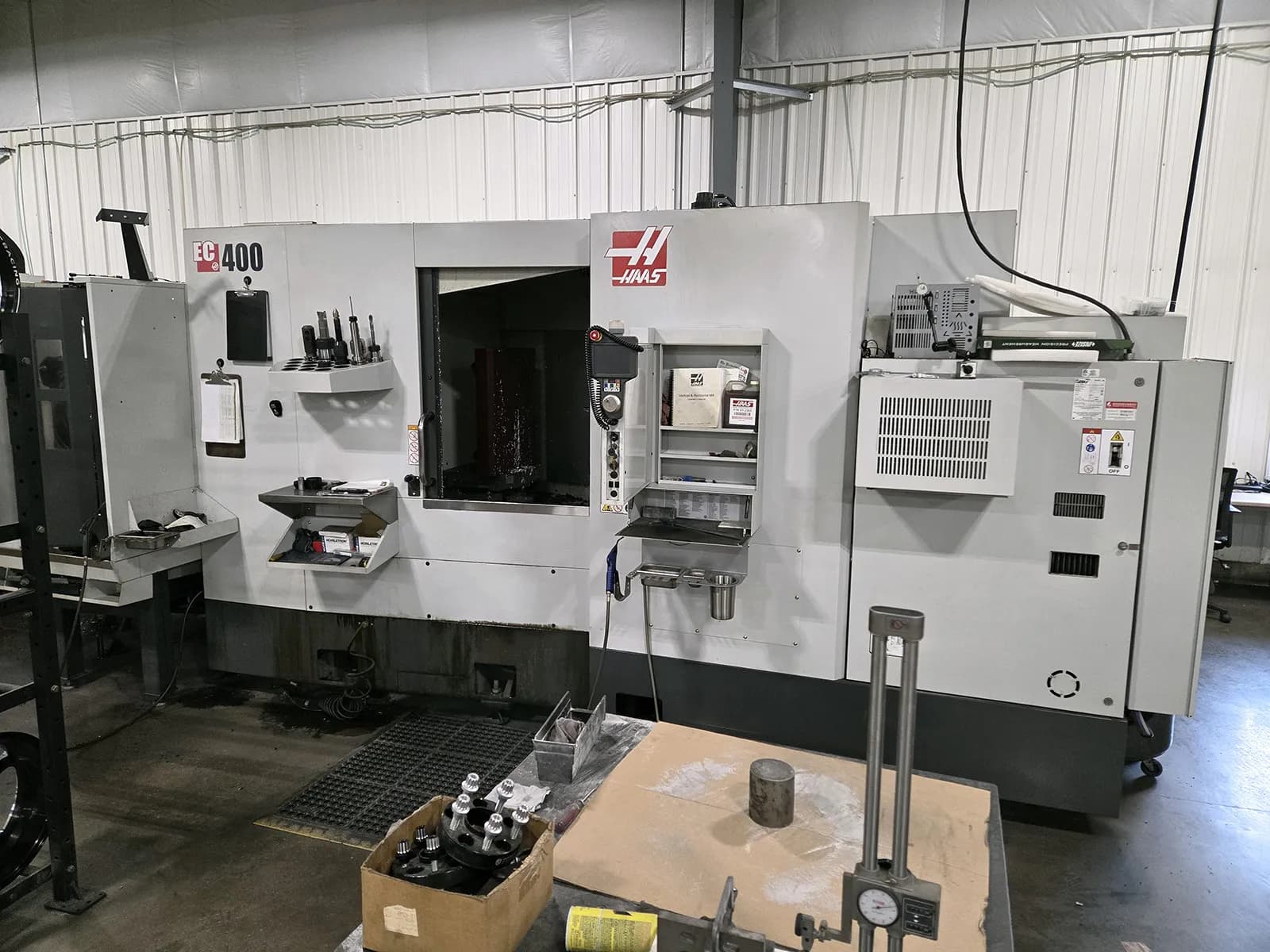
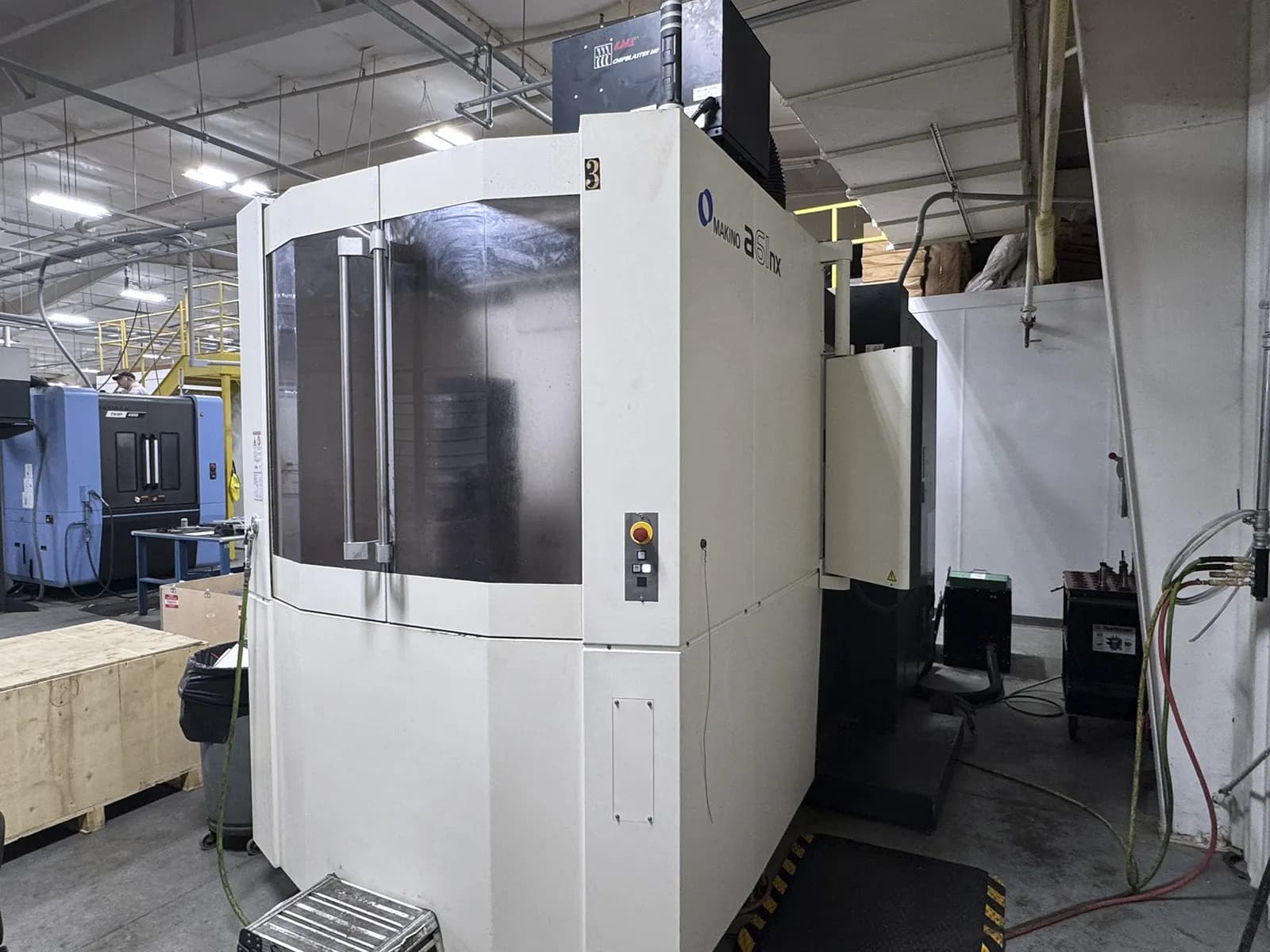
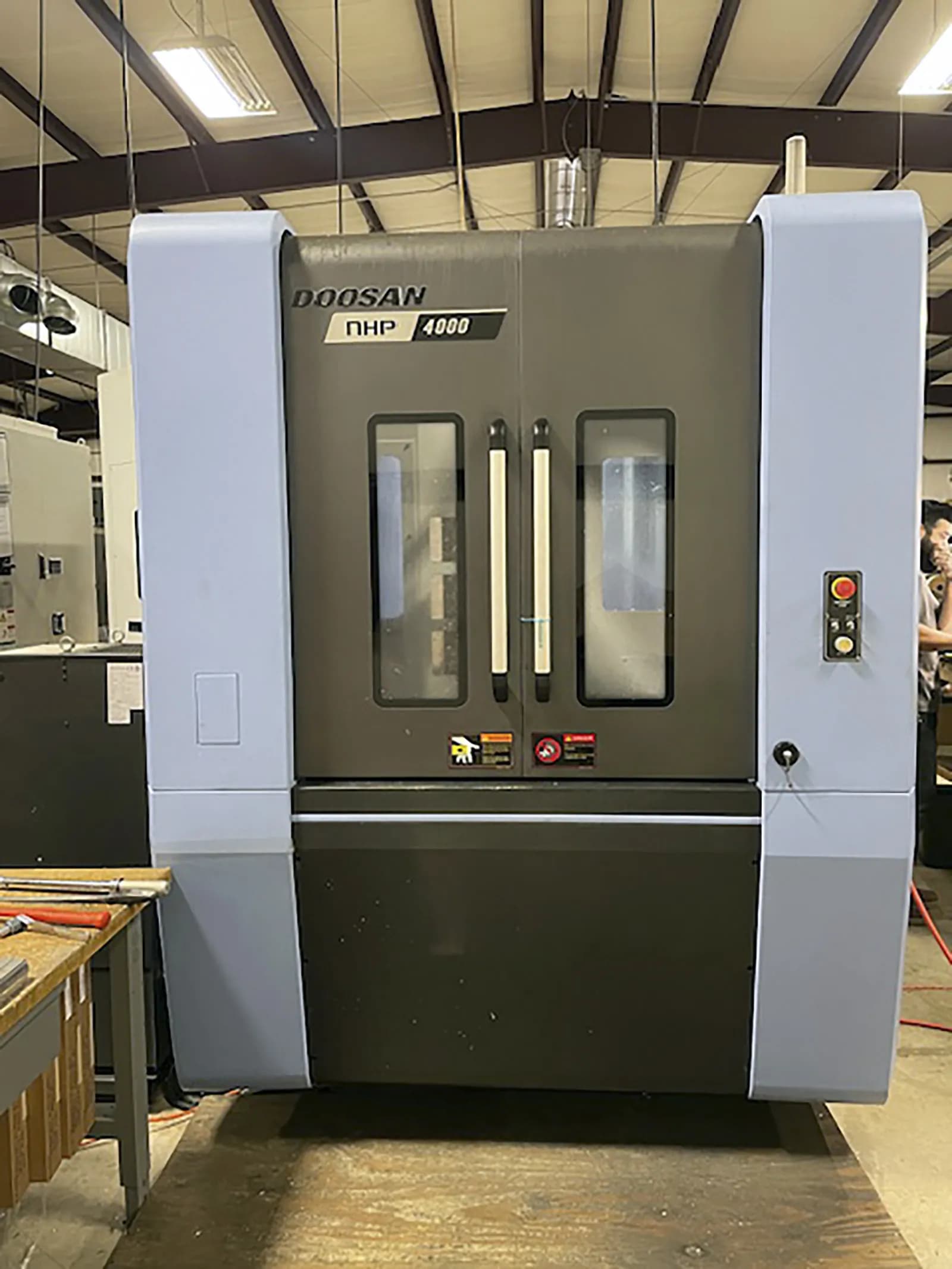
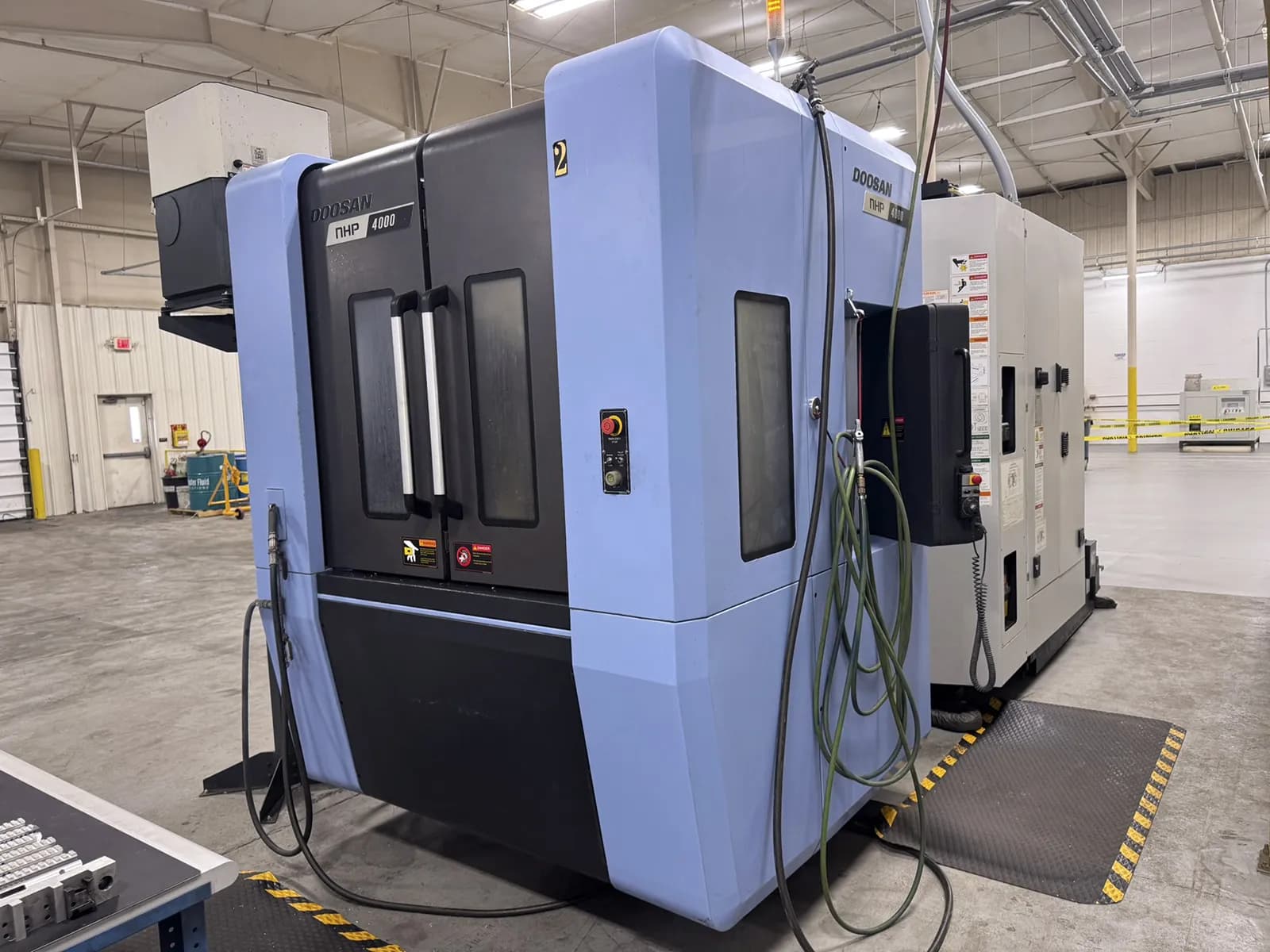
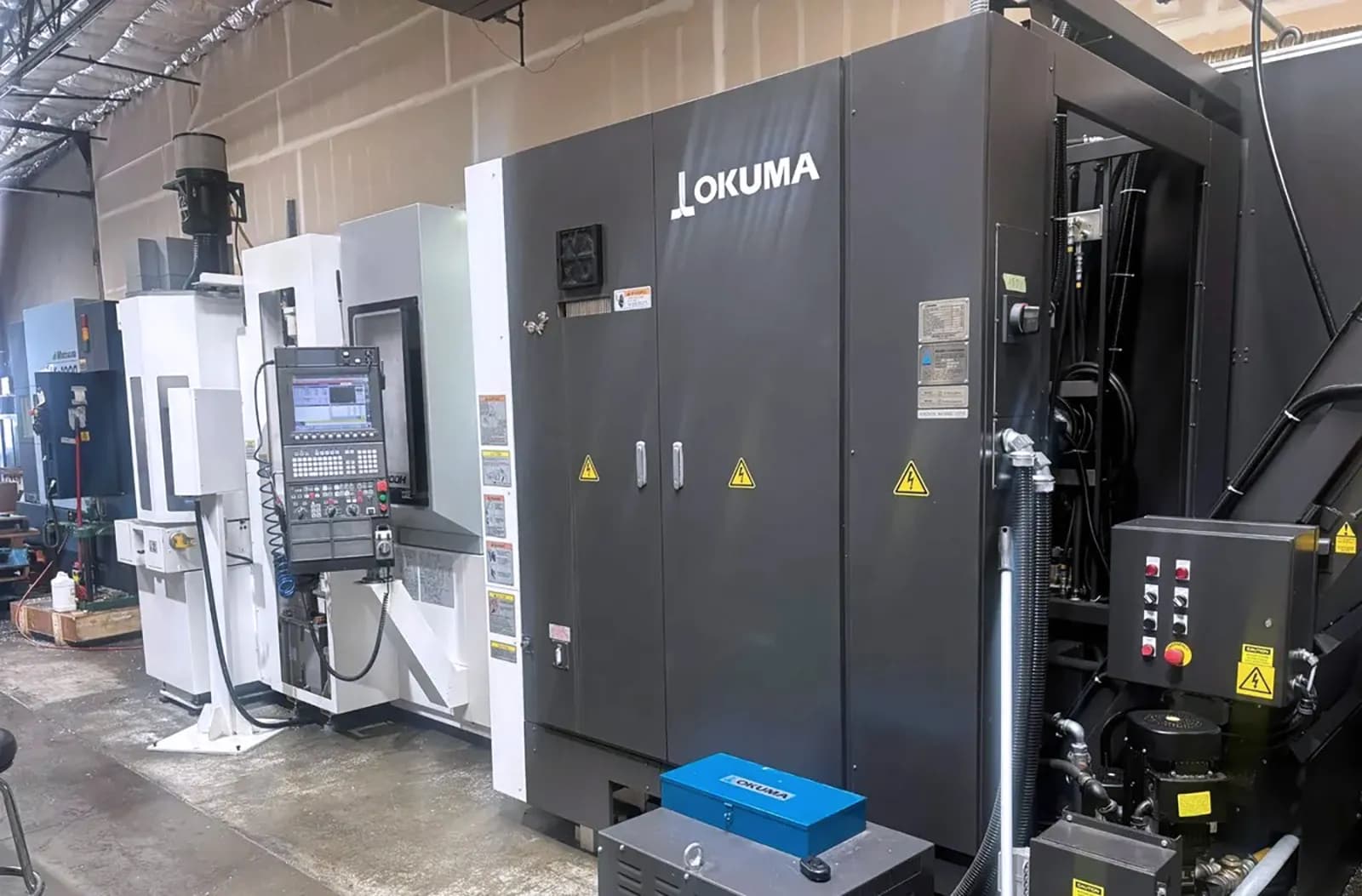
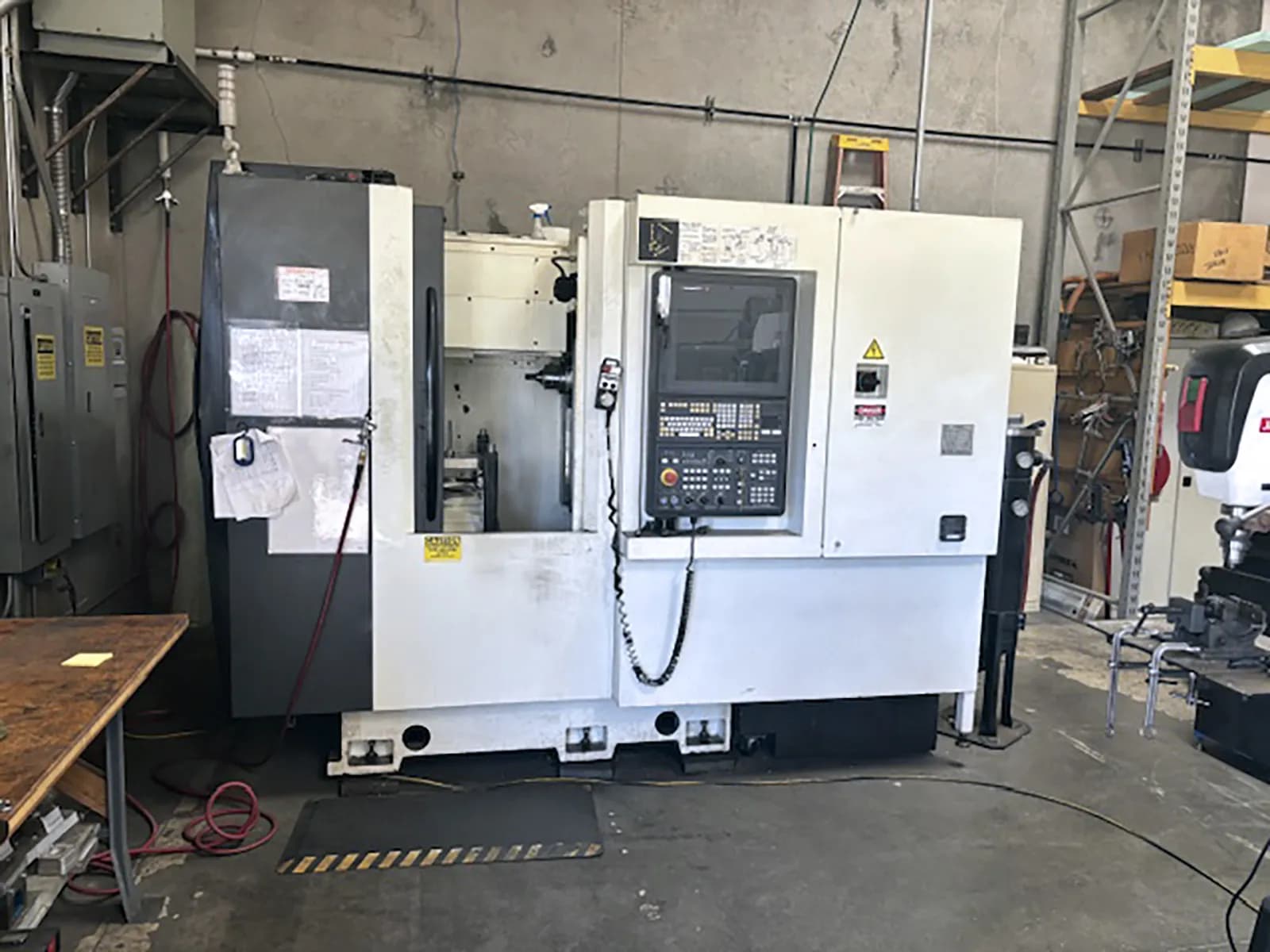
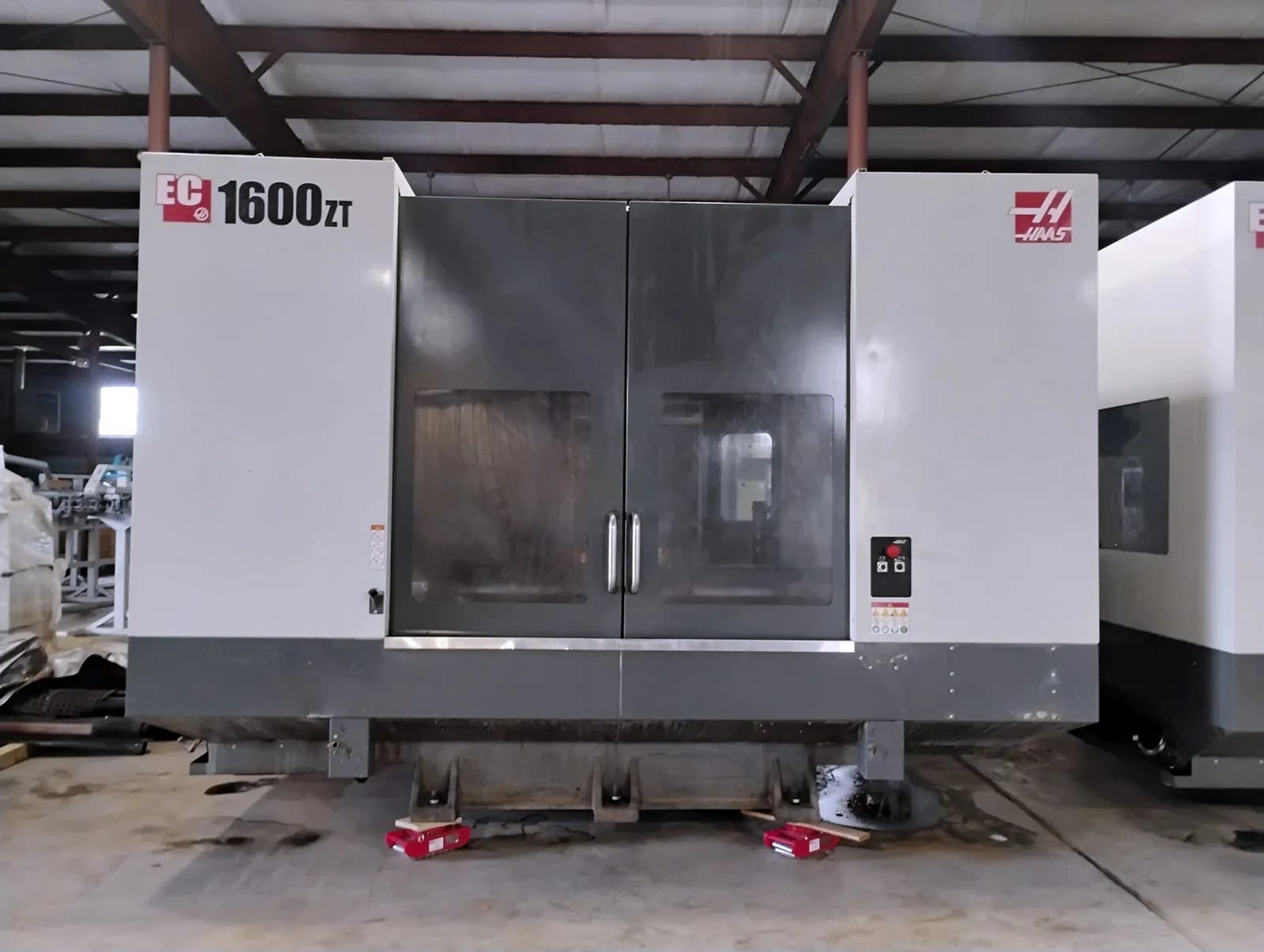
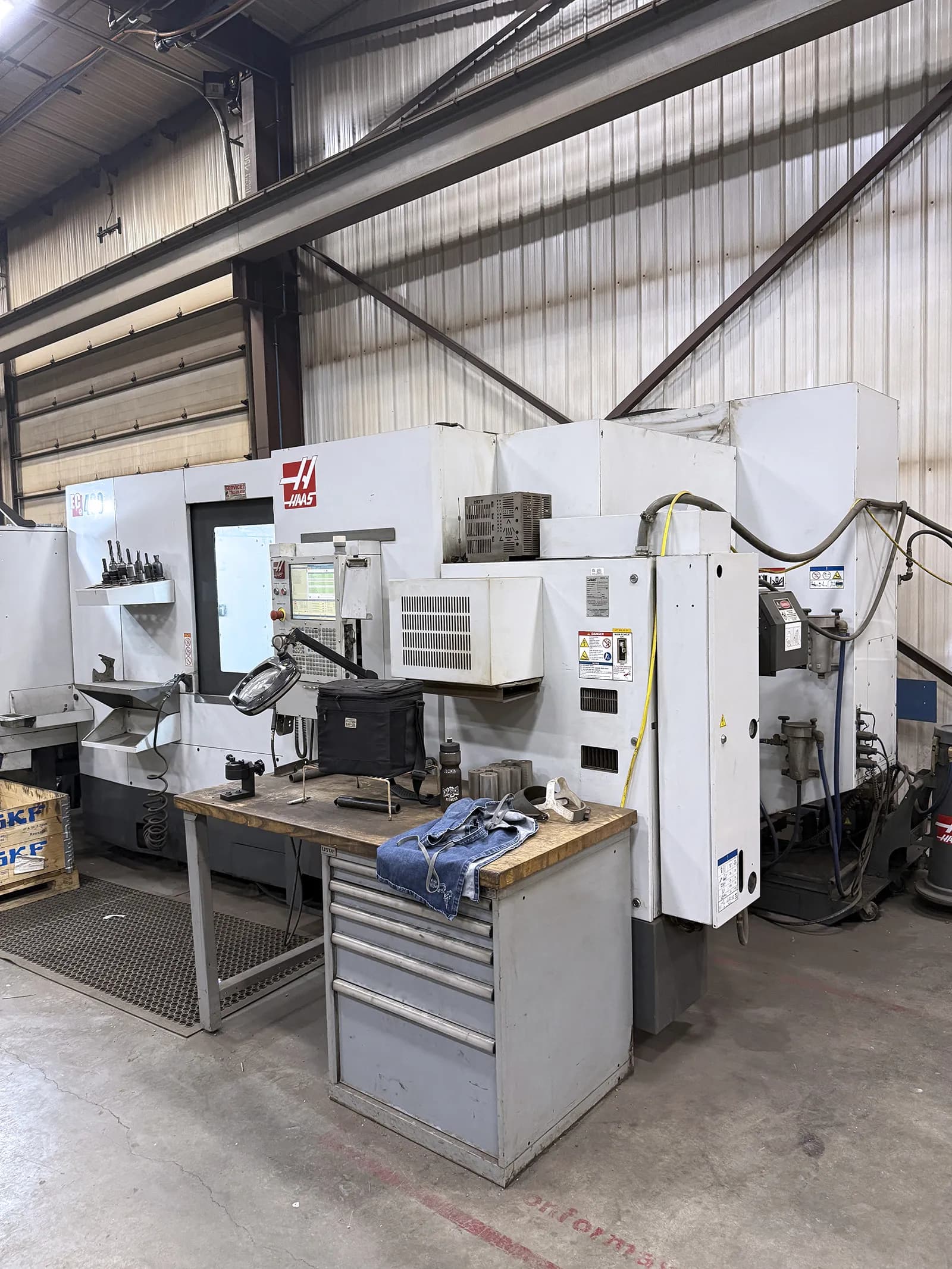
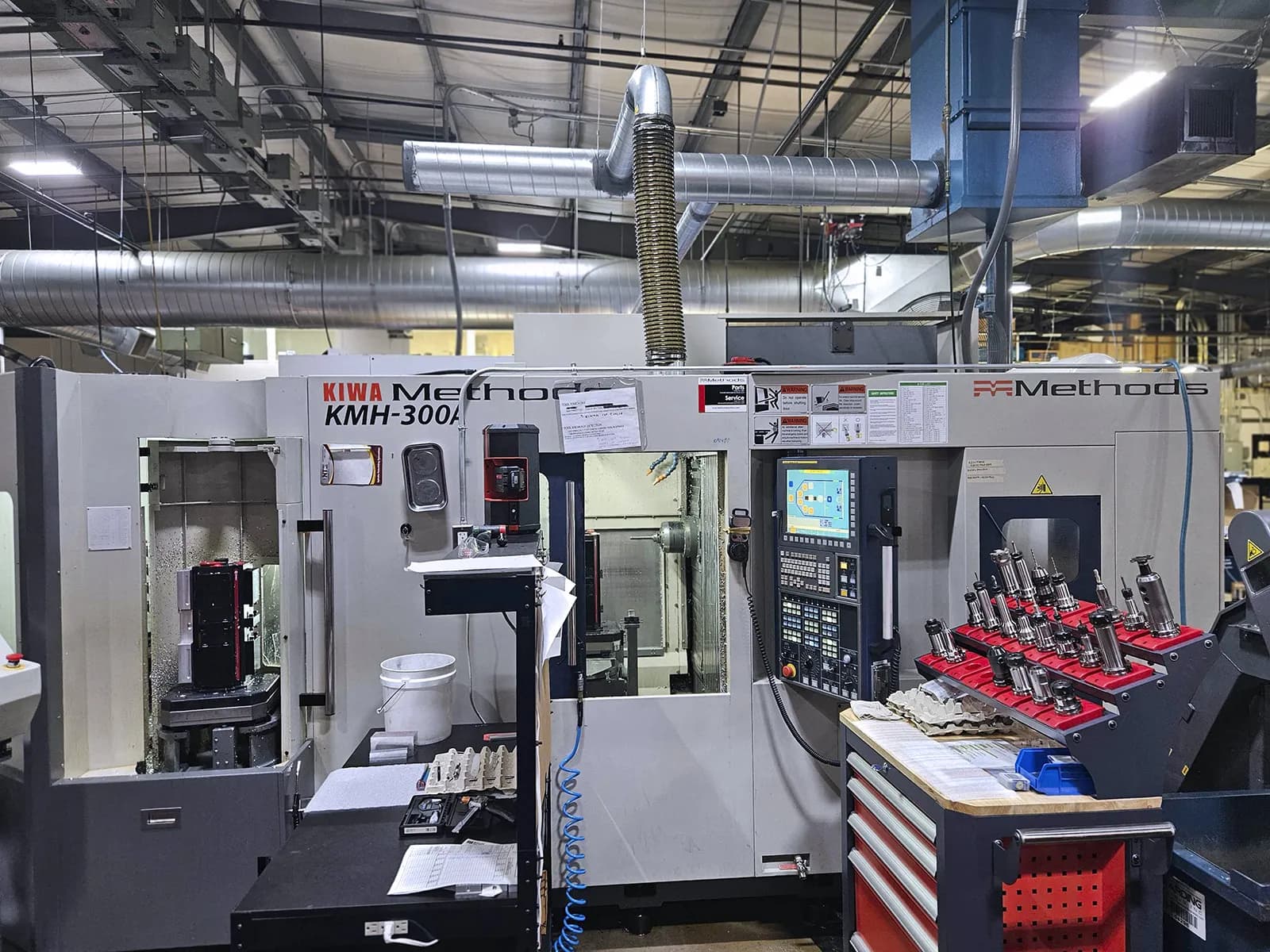
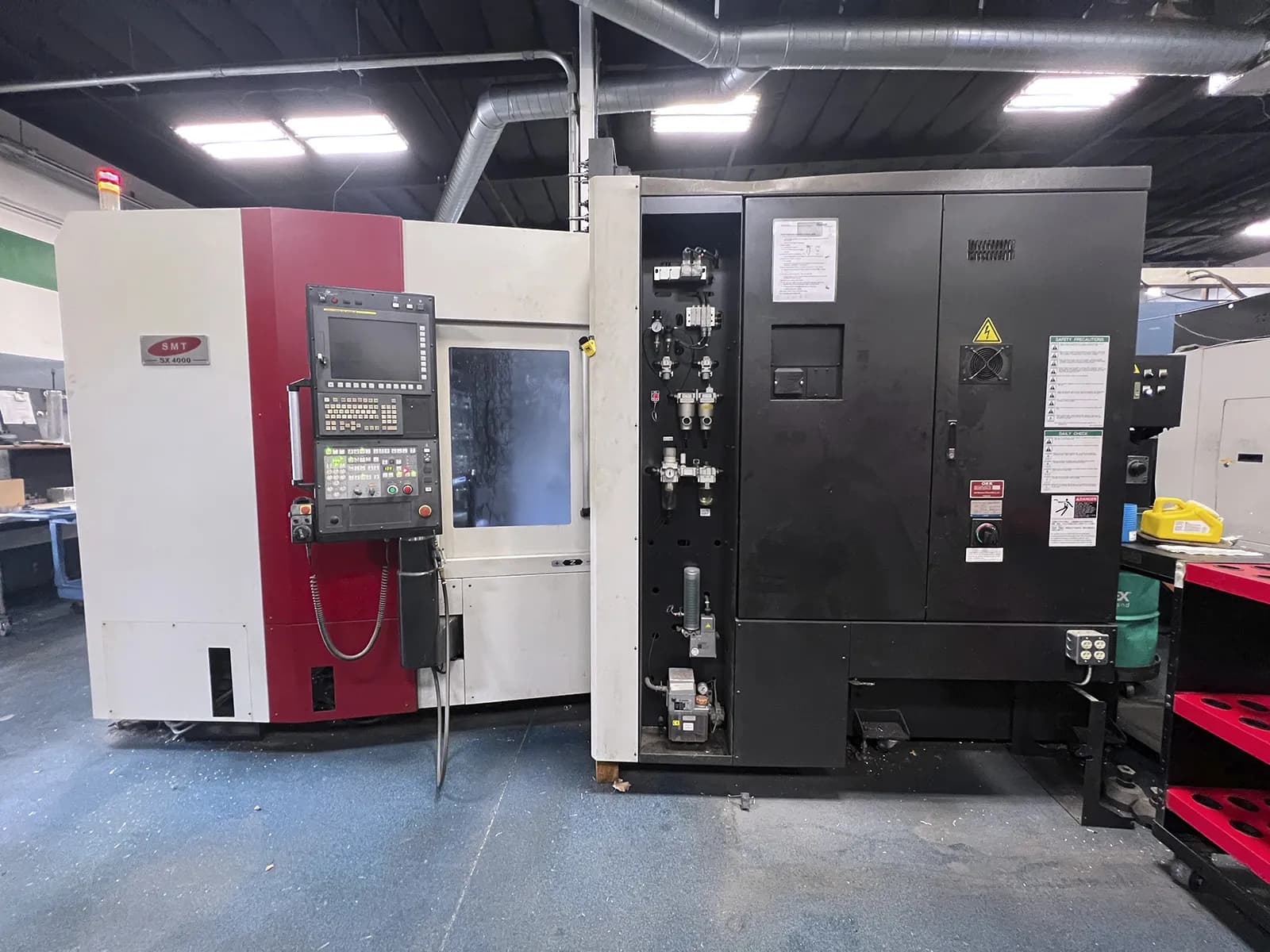
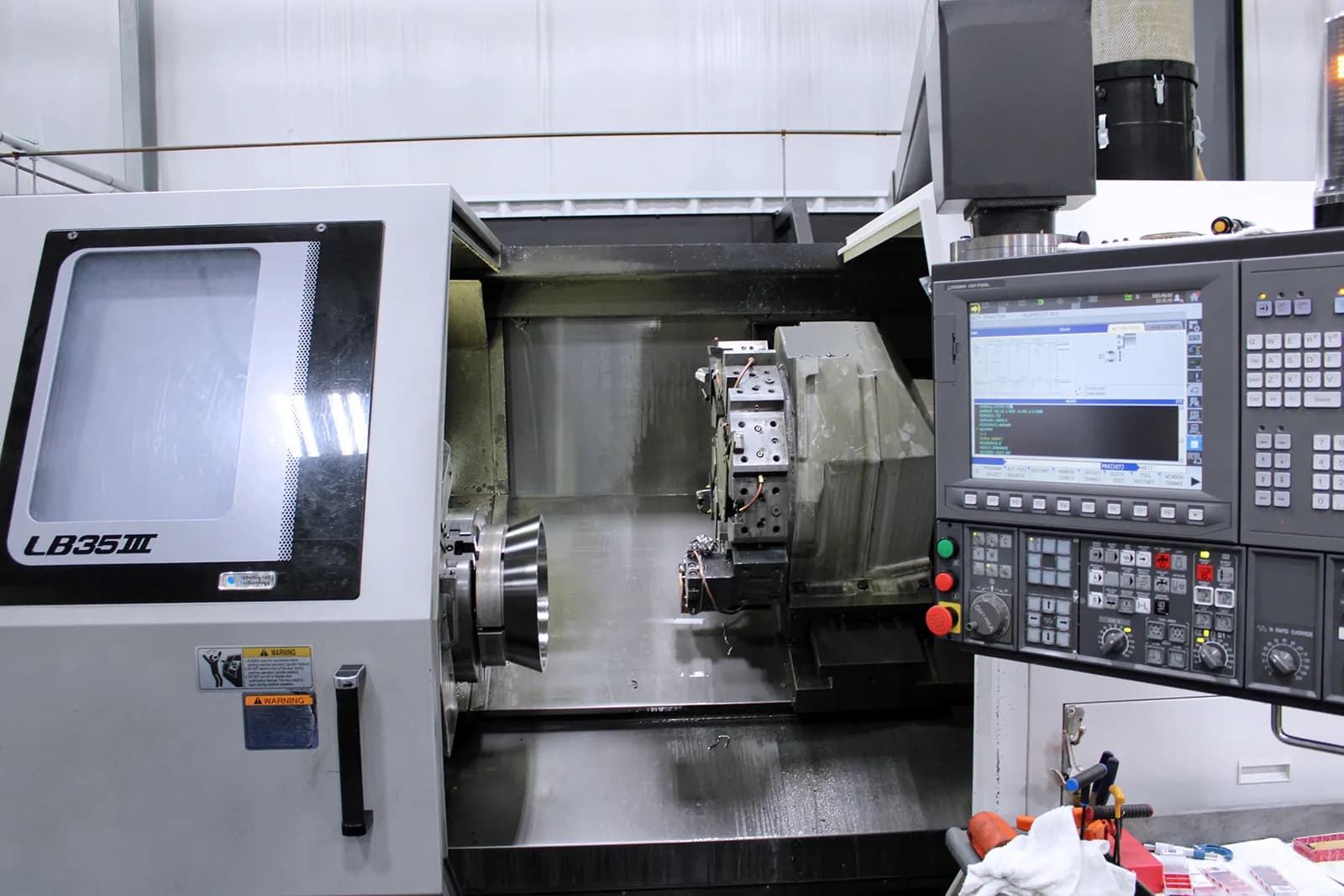
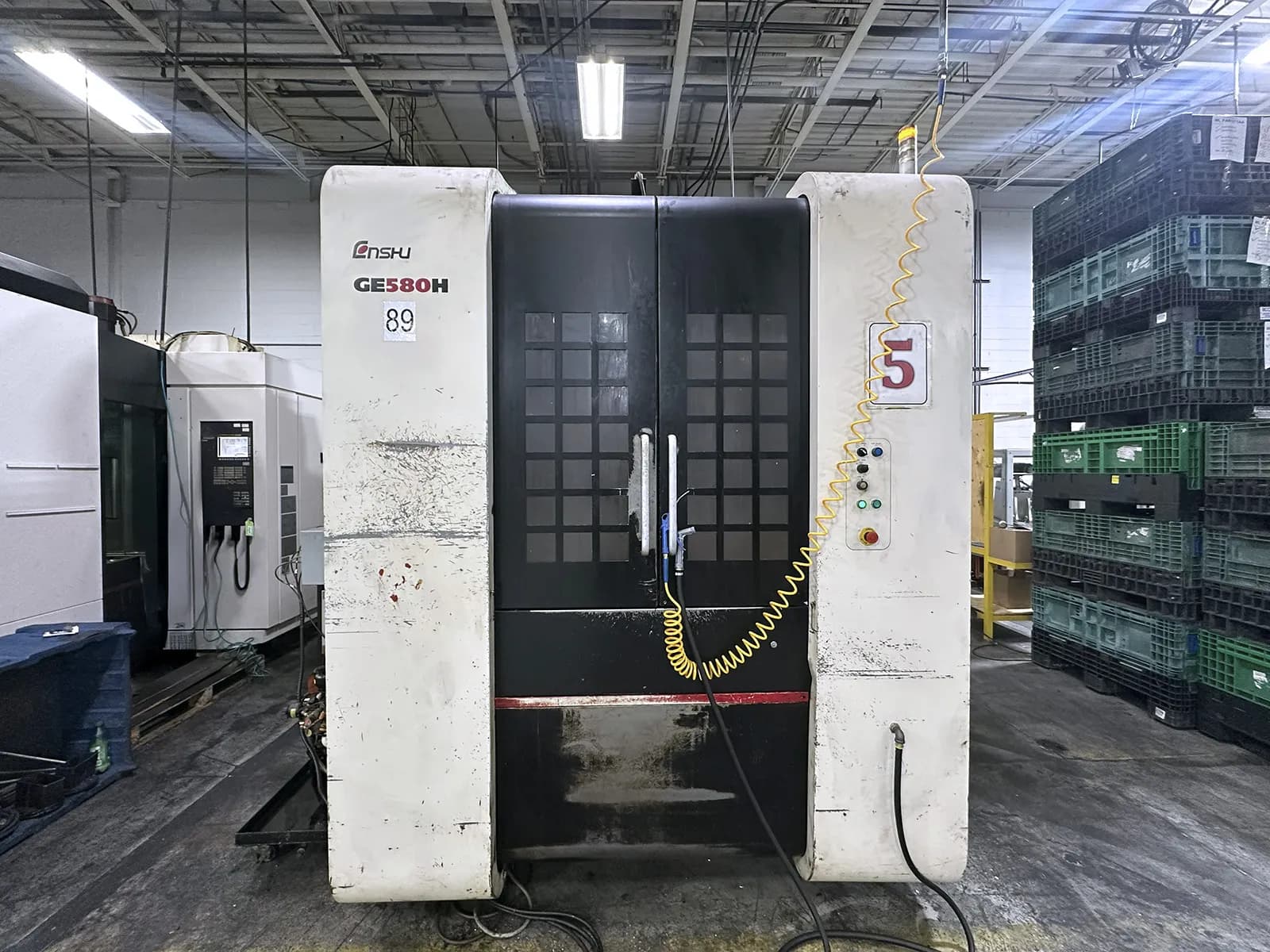

GET CASH VALUE
Turn Surplus CNC machines into Cash.
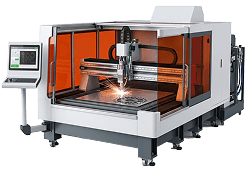
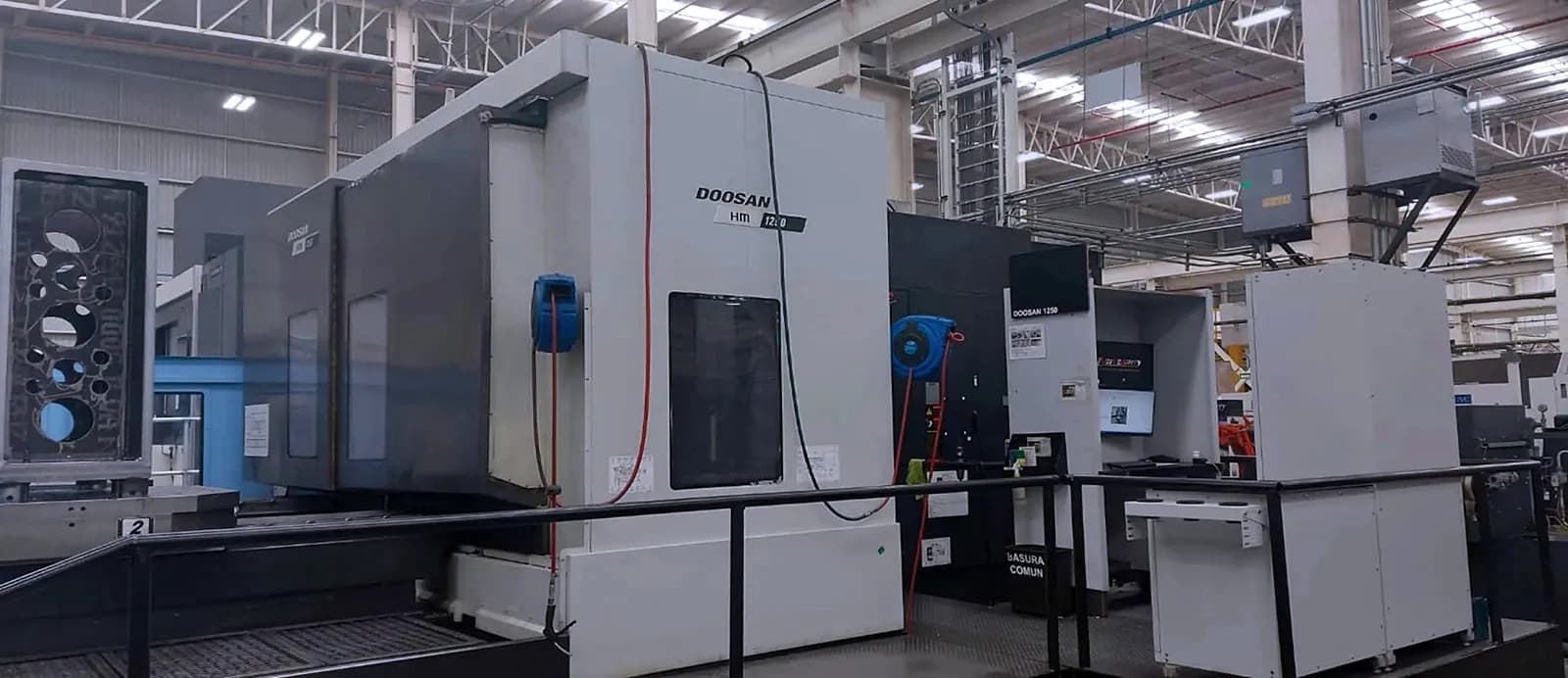
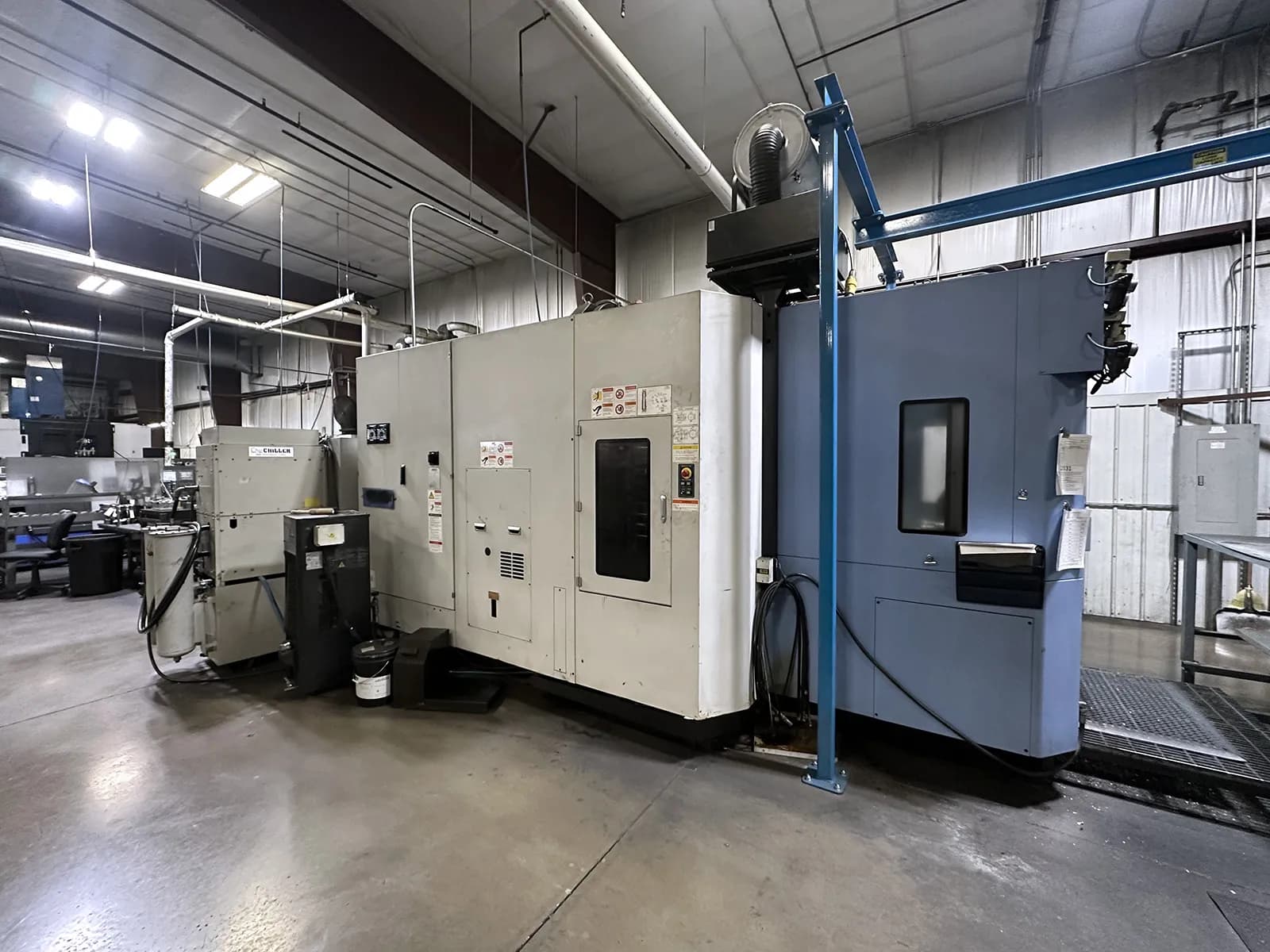
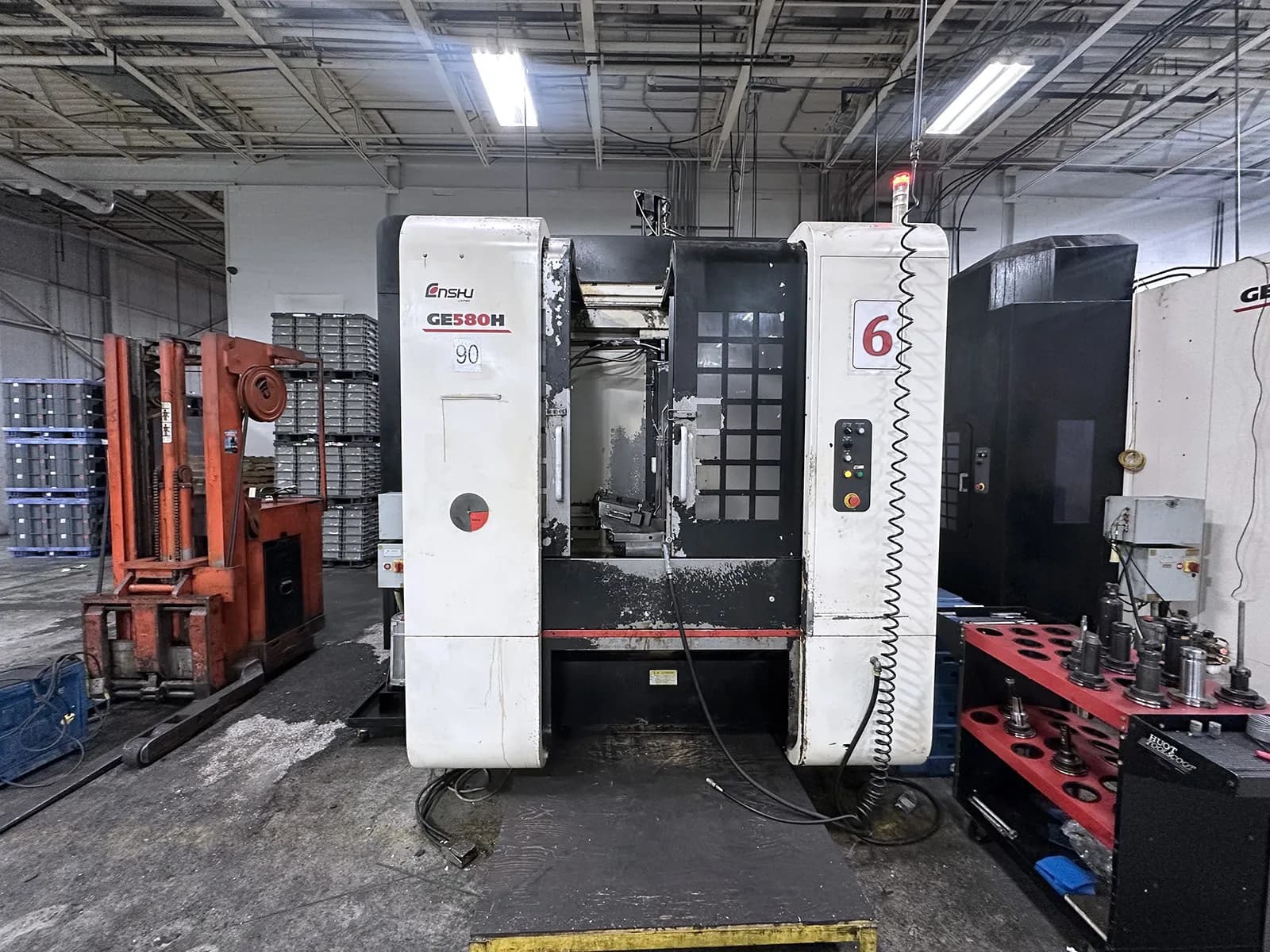
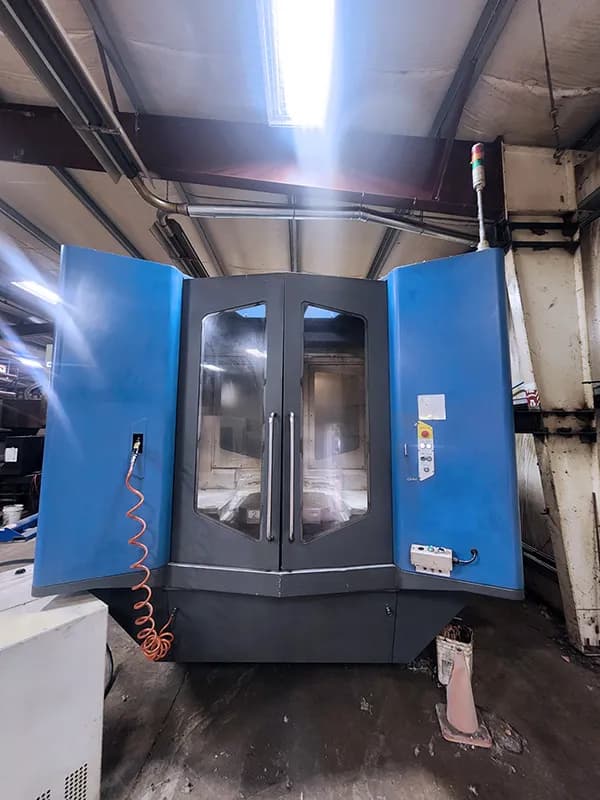
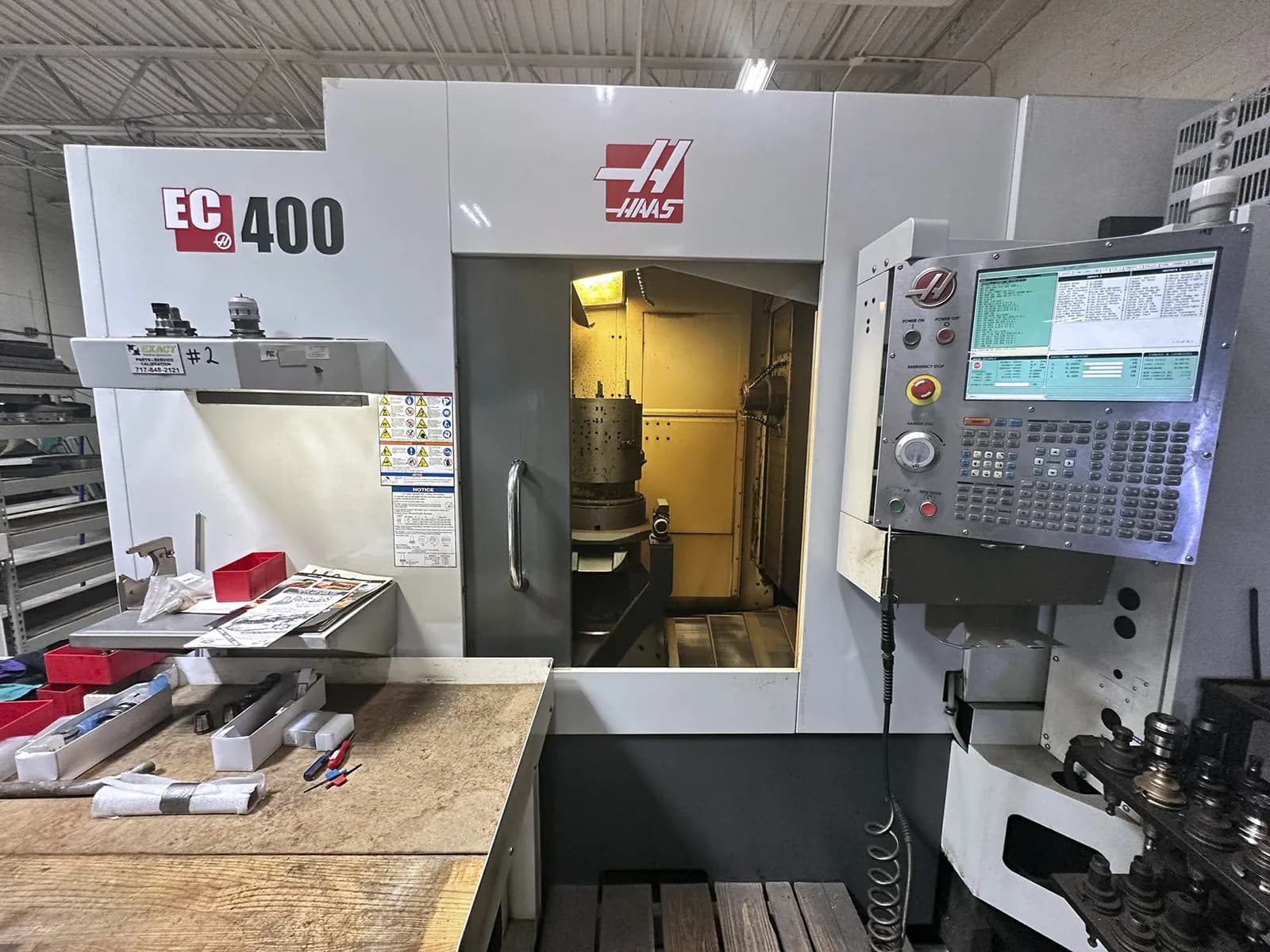
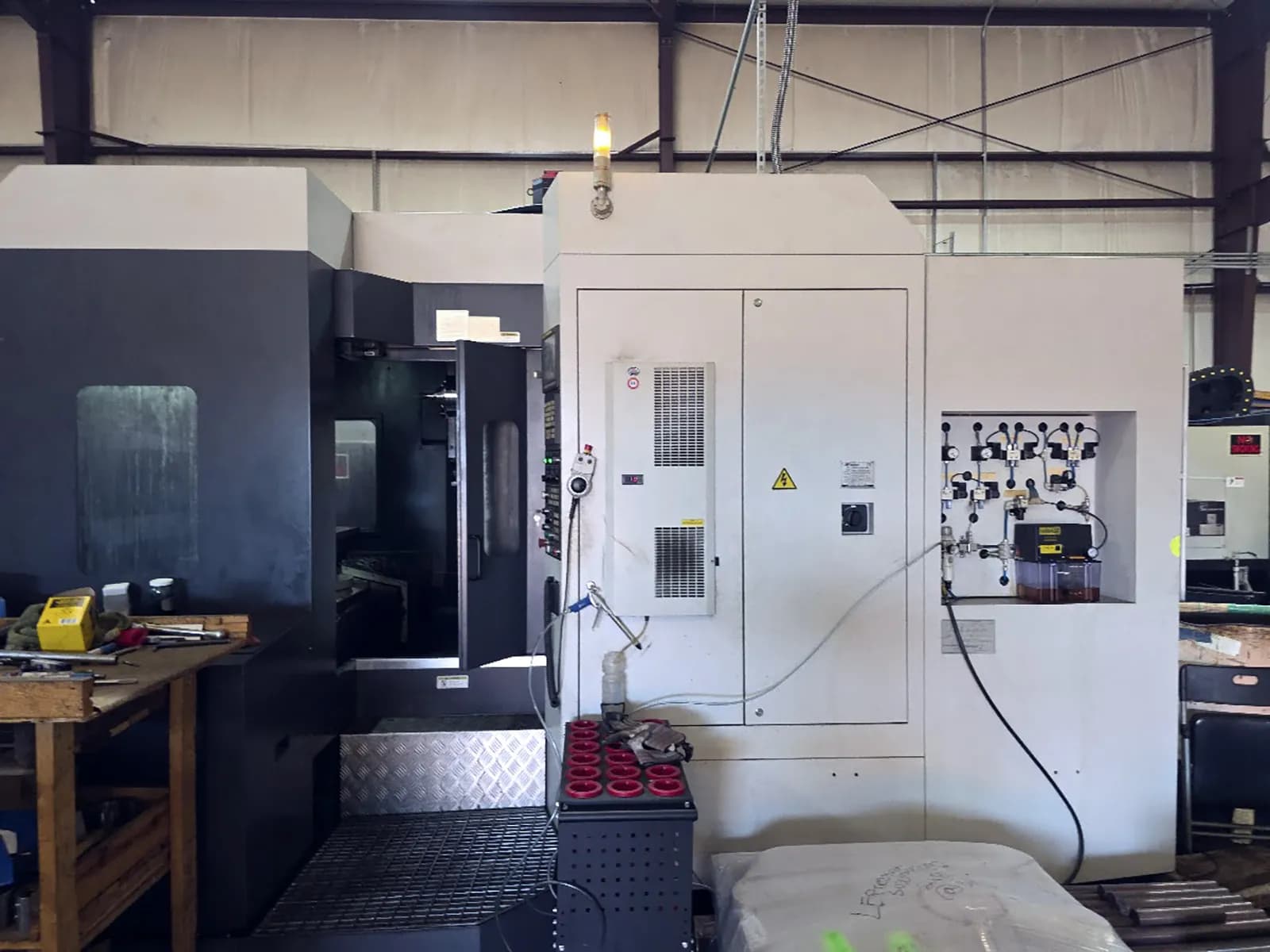
How MMI Can Help You Find the Right Horizontal Machining Center ?
Horizontal machining centers vary widely in pallet size, tool capacity, spindle speed, and automation level, which means the right machine depends heavily on your part size and production volume. MMI's machinery specialists help buyers work through that decision directly.
Here is what that looks like in practice:
- Application matching. We ask about your typical part size, material, and production volume, then point you toward the correct brand and series, Haas EC, Mazak HCN, Okuma MA or MB-H, DMG Mori NHX, or Makino a-Series, instead of just the machine currently in stock.
- Pallet and automation configuration. Many HMCs are sold with single, twin, or multi pallet systems. Every listing notes the pallet configuration so you know exactly what production setup you are buying into.
- Financing and trade in support. MMI helps structure financing on used horizontal machining centers and can factor in a trade in of your existing machine.
- Nationwide and international rigging and logistics. Our logistics team manages disconnect, transport, and reinstallation, including large pallet-automated systems that require careful handling.
- Model sourcing. If the exact pallet size, spindle taper, or automation configuration you need is not currently listed, our team actively sources it from our network.
If you are not sure which horizontal machining center fits your application, contact our machinery specialists or review financing options before you buy.
What Is a Horizontal Machining Center ?
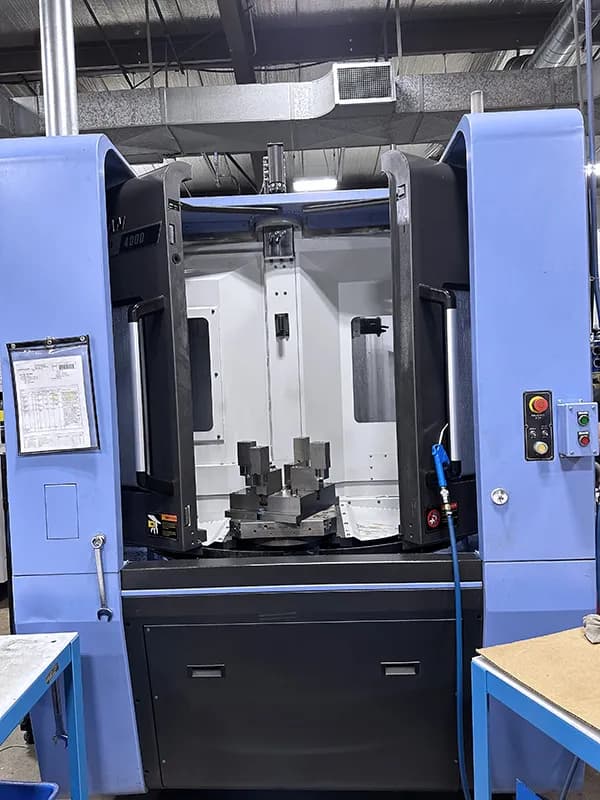
A horizontal machining center is a CNC milling machine with a horizontally oriented spindle, positioned so the cutting tool approaches the workpiece from the side rather than from above. This orientation lets chips fall away from the cutting zone naturally during machining, which improves chip evacuation, extends tool life, and supports higher material removal rates during long production runs.
Most horizontal machining centers operate across three primary linear axes:
- X axis — table movement left to right
- Y axis — vertical movement of the spindle
- Z axis — spindle movement toward the workpiece
Many HMCs also include pallet changers or rotary indexing systems, which allow multiple sides of a part to be machined in a single setup without manual repositioning.
A horizontal machining center can perform several operations on a single platform, including:
- milling
- drilling
- tapping
- boring
- contour machining
These machines are commonly used to machine steel, aluminum, cast iron, and titanium components across aerospace, automotive, and industrial manufacturing.
Popular Horizontal Machining Center Series
Several manufacturers produce well recognized HMC platforms, each suited to a different scale of production:
| Brand and Series | What It Is Best Suited For | Key Detail |
|---|---|---|
| Haas EC Series | Job shop and mid production environments | Widely used entry to mid-range pallet-ready platform |
| Mazak HCN Series | Demanding, high-rigidity production machining | Known for strong performance under heavy cutting loads |
| Okuma MA and MB-H Series | Production settings requiring Okuma's proprietary control | Built around the OSP CNC control system |
| DMG Mori NHX Series | High-precision, high-production aerospace and automotive work | Current generation platform, successor to the Mori Seiki NH Series |
| DN Solutions HM and NHM Series | Heavy-duty, large-capacity production machining | Box guideway construction for high torque, heavy cutting applications |
| Makino a-Series | High-speed, high-accuracy aerospace and automotive machining | Built around pallet automation for continuous production |
| Matsuura H.Plus Series | High-precision machining with automation integration | Frequently paired with pallet automation systems |
Each series targets a different combination of part size, production volume, and budget. Job shops running mixed production typically look at the Haas EC or Okuma MA Series, while high-volume aerospace and automotive manufacturers tend to shop the DMG Mori NHX or Makino a-Series platforms.
Horizontal Machining Center Model Reference
| Brand and Series | Description | Popular Models |
|---|---|---|
| Haas EC | Job shop and production pallet-ready HMC | Haas EC-400, Haas EC-500, Haas EC-630, Haas EC-1600 |
| Mazak HCN | Rigid, high-performance production HMC | Mazak HCN-4000, Mazak HCN-5000, Mazak HCN-6800 |
| Okuma MA | Production HMC with OSP control | Okuma MA-400HA, Okuma MA-500HA |
| Okuma MB-H | Larger capacity production HMC with OSP control | Okuma MB-4000H, Okuma MB-5000H |
| DN Solutions / Doosan HM | Heavy-duty box guideway HMC | Doosan HM 1000, Doosan HM 1250, Doosan HM 1250W |
| DN Solutions / Doosan NHM | Larger capacity heavy-duty HMC | Doosan NHM 5000, Doosan NHM 6300, Doosan NHM 8000 |
| Mori Seiki NH (Legacy) | Earlier generation precision HMC | Mori Seiki NH-4000, Mori Seiki NH-5000 |
| DMG Mori NHX (Current) | Current generation precision, high-production HMC | DMG Mori NHX 4000, DMG Mori NHX 5000 |
| Makino a-Series | High-speed, high-accuracy production HMC | Makino a51NX, Makino a61NX, Makino a81NX |
| Matsuura H.Plus | Precision HMC with automation integration | Matsuura H.Plus-300, Matsuura H.Plus-405, Matsuura H.Plus-630 |
Industries That Use Horizontal Machining Centers
Horizontal machining centers are widely used in industries that require multi-side machining, high production volume, and tight repeatability across long production runs. Common industries include:
- aerospace component production
- automotive manufacturing
- heavy equipment manufacturing
- industrial machinery production
- energy and turbine component machining
These industries rely on HMCs specifically because a single setup can complete multiple faces of a part, which reduces handling error and keeps tolerances consistent across high-volume runs.
Why Manufacturers Invest in Horizontal Machining Centers ?
Manufacturers choose horizontal machining centers over vertical alternatives for a consistent set of production reasons:
- Superior chip evacuation. The horizontal spindle orientation lets chips fall away from the cutting zone by gravity, reducing recutting and improving surface finish during heavy material removal.
- Multi-side machining in one setup. Pallet changers and rotary indexing let a single HMC machine several faces of a part without manual repositioning, reducing setup time and improving repeatability.
- Higher productivity through automation. Twin and multi pallet systems allow one machine to load a new part while another is being cut, keeping spindle utilization high during production runs.
- Improved tool life during long cycles. Better chip control and consistent cutting conditions reduce tool wear compared to machining the same parts on a vertical platform.
- Essential across high-volume industries. Aerospace, automotive, and heavy equipment manufacturing rely on HMCs specifically because of their combination of throughput, repeatability, and multi-side machining capability.
- Strong resale value. Because HMCs represent a significant capital investment and are built for continuous production use, used units continue to hold real value on the resale market.
For shops comparing new versus used, a used horizontal machining center typically delivers the same chip control and multi-side machining capability at a significant discount to new equipment pricing, which is where MMI's sourcing network adds the most value.
Looking for a Horizontal Machining Center?
Tell us your pallet size, tool capacity, and production volume, and our team will help you find the right HMC, in stock or sourced through our network.