
Used Vertical Machining Centers for Sale
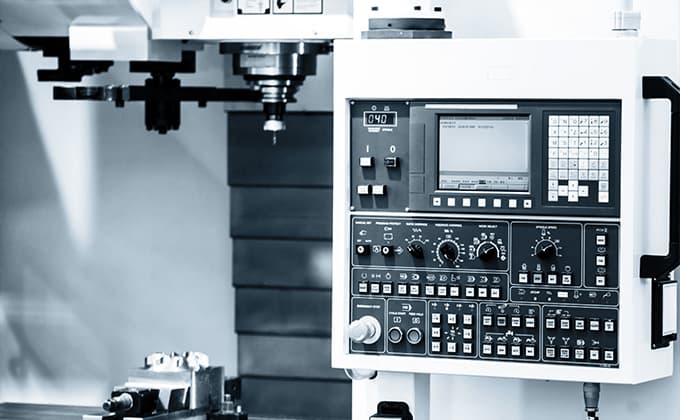
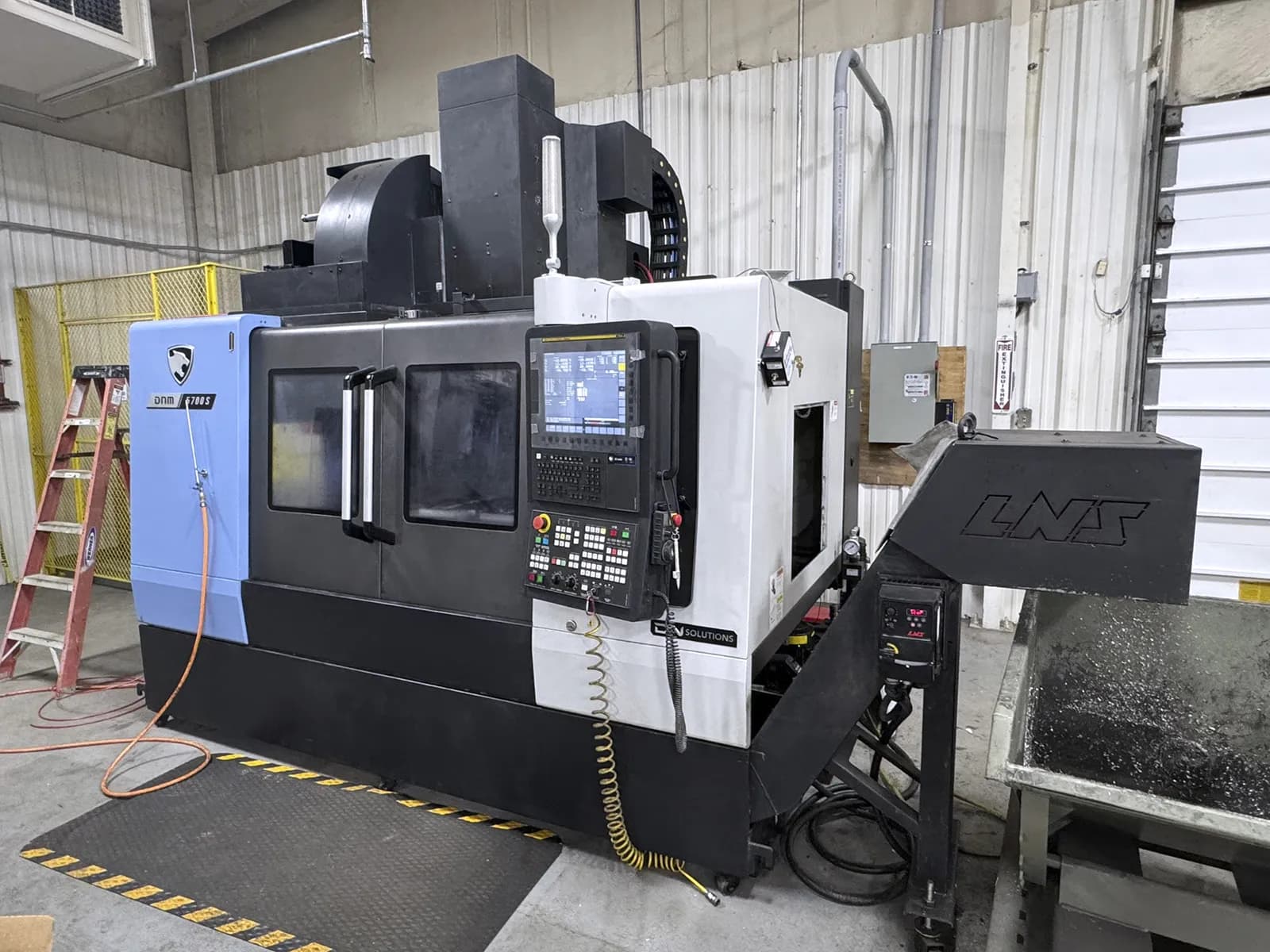
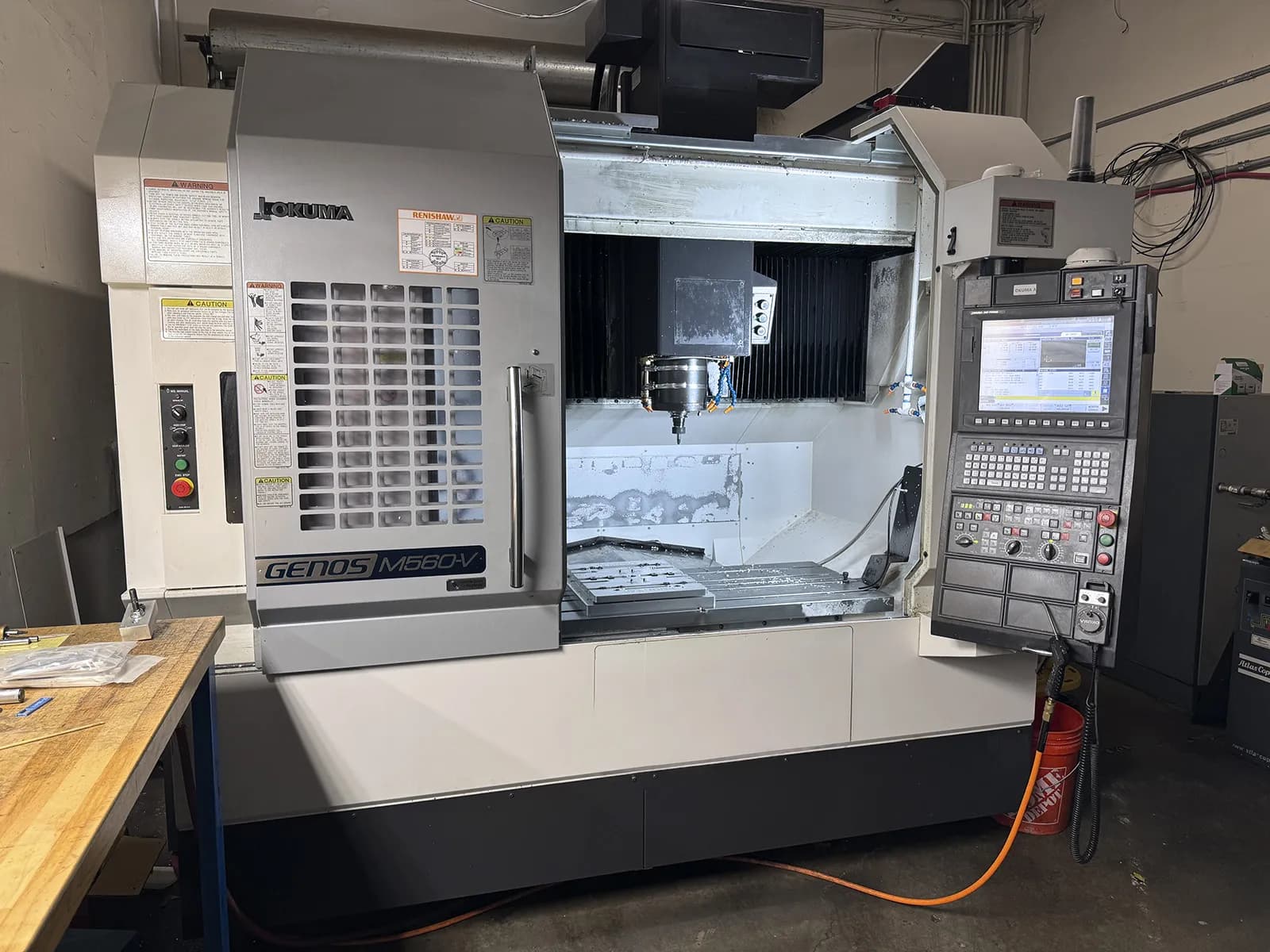
Vertical machining centers (VMCs) use a vertically oriented spindle to mill, drill, and tap parts with excellent operator visibility and straightforward setup, making them the most widely used CNC machine type in job shops of every size. MMI sources used VMCs from Haas, Okuma, Makino, Mazak, Hurco, and DN Solutions (Doosan) directly from manufacturers nationwide, giving you access to proven 3-axis, 4-axis, and 5-axis platforms without the new machine price tag or lead time.
Filters
Reset AllBrand
Control
Price
Year of Manufacture
Condition
Relevance:
Showing 1-20 of (69) results
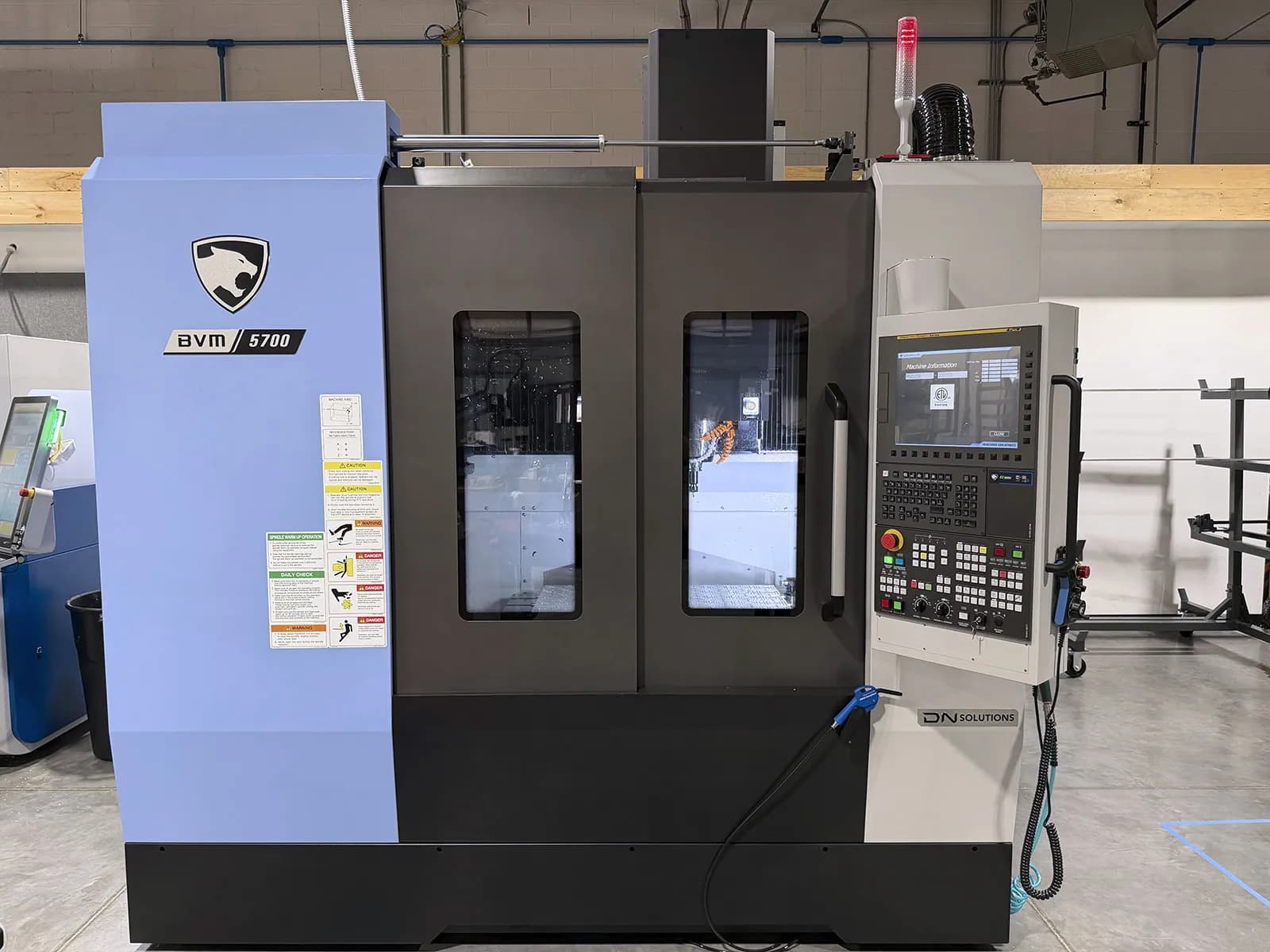
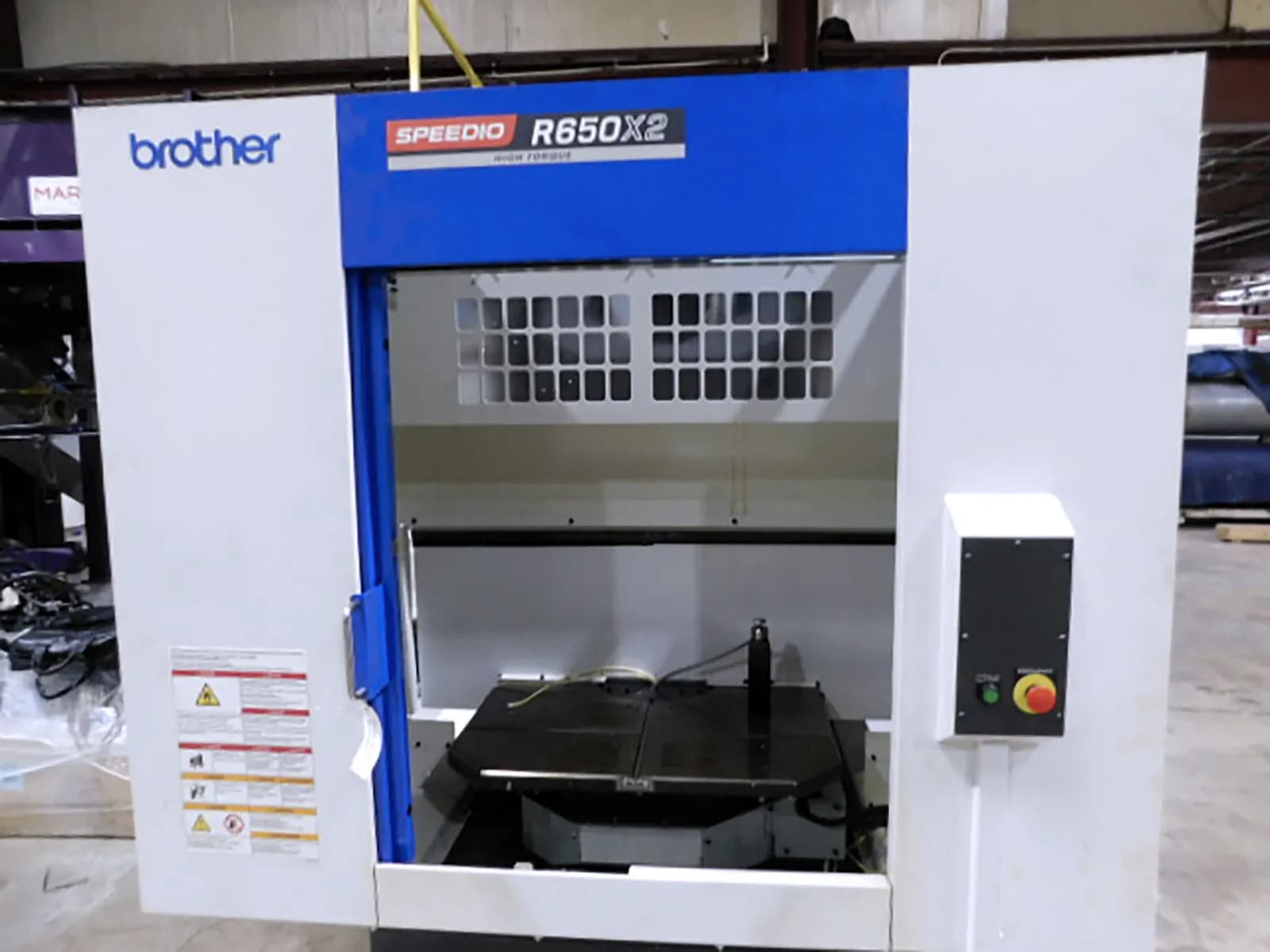
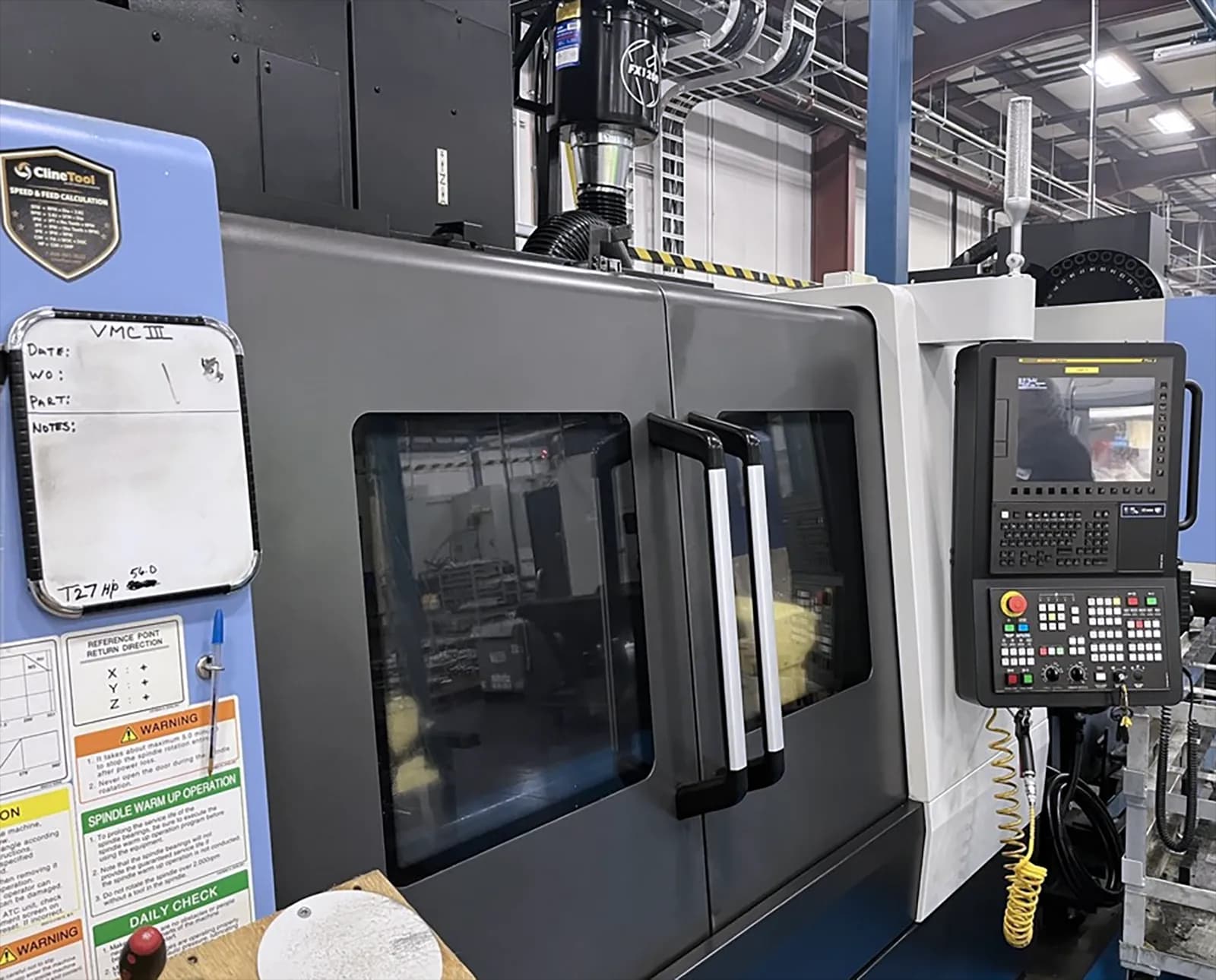
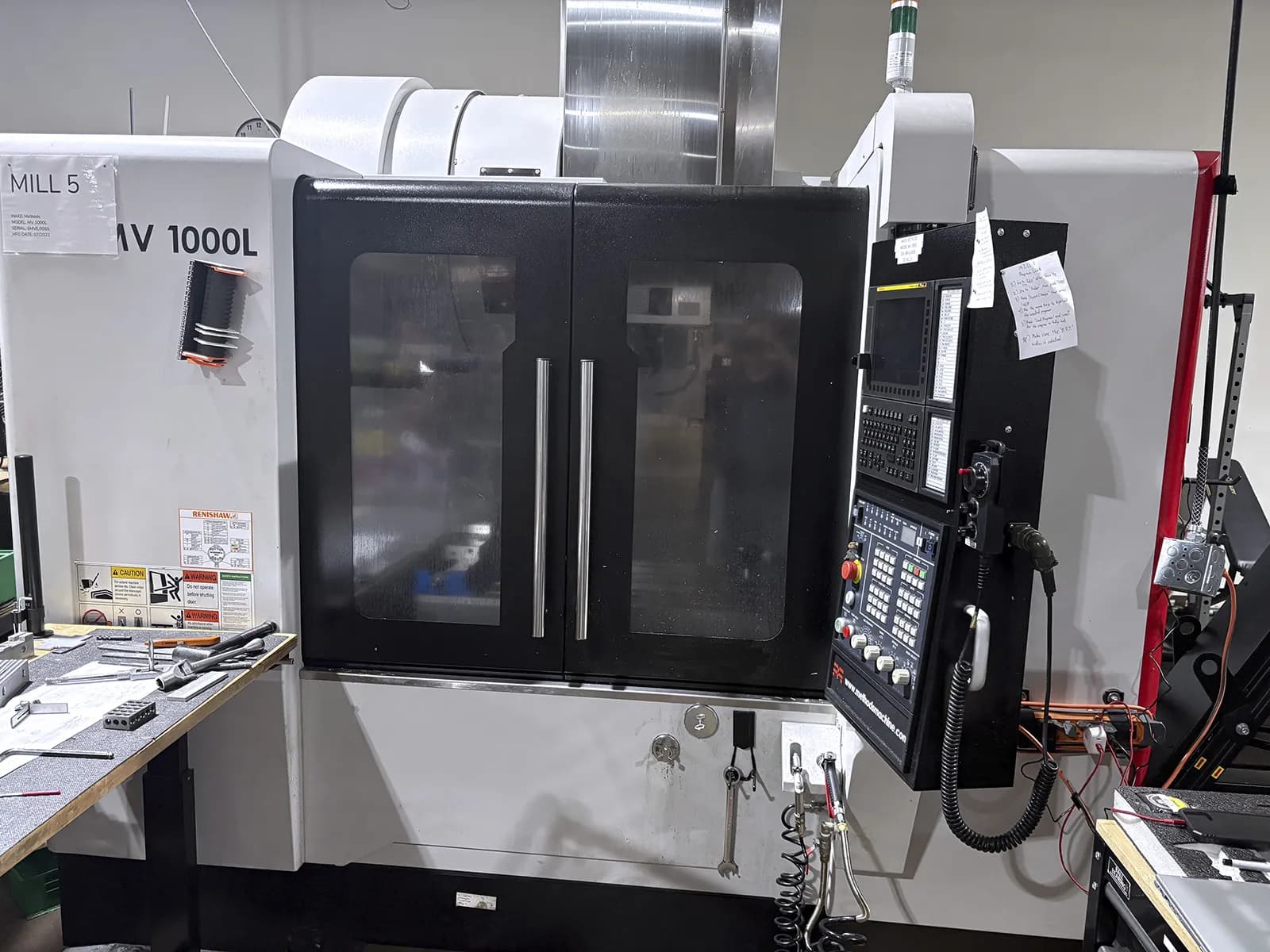
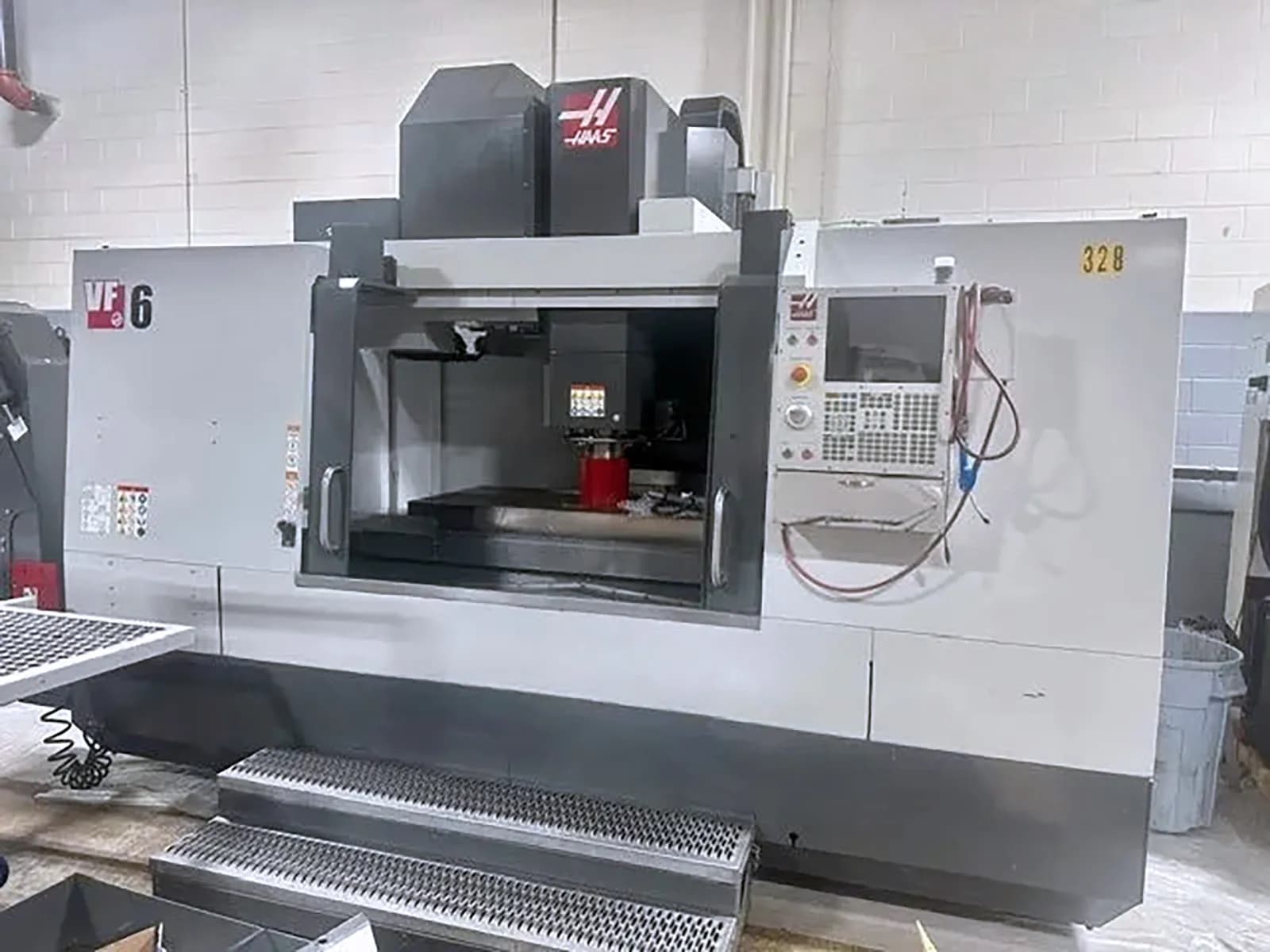
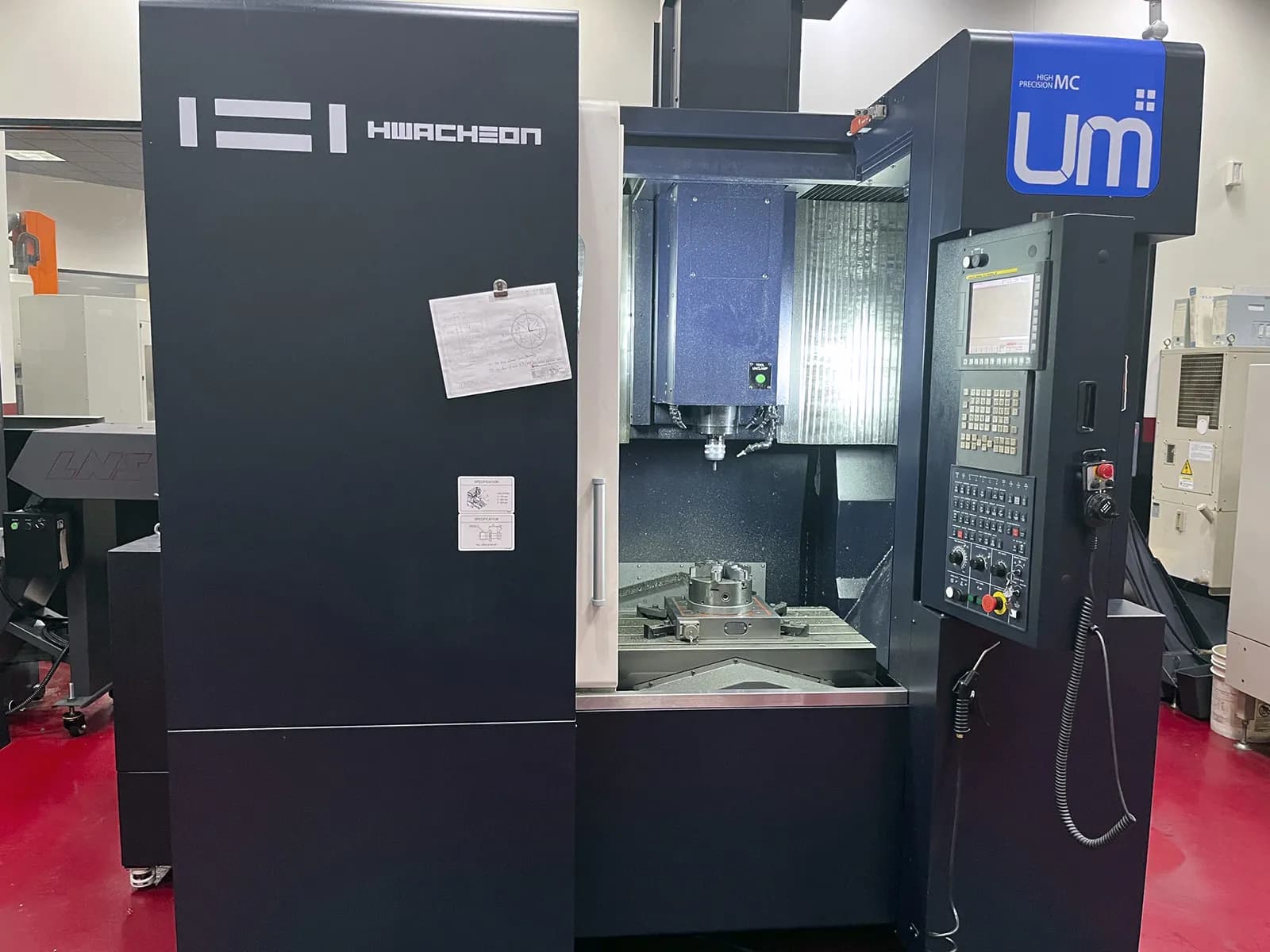
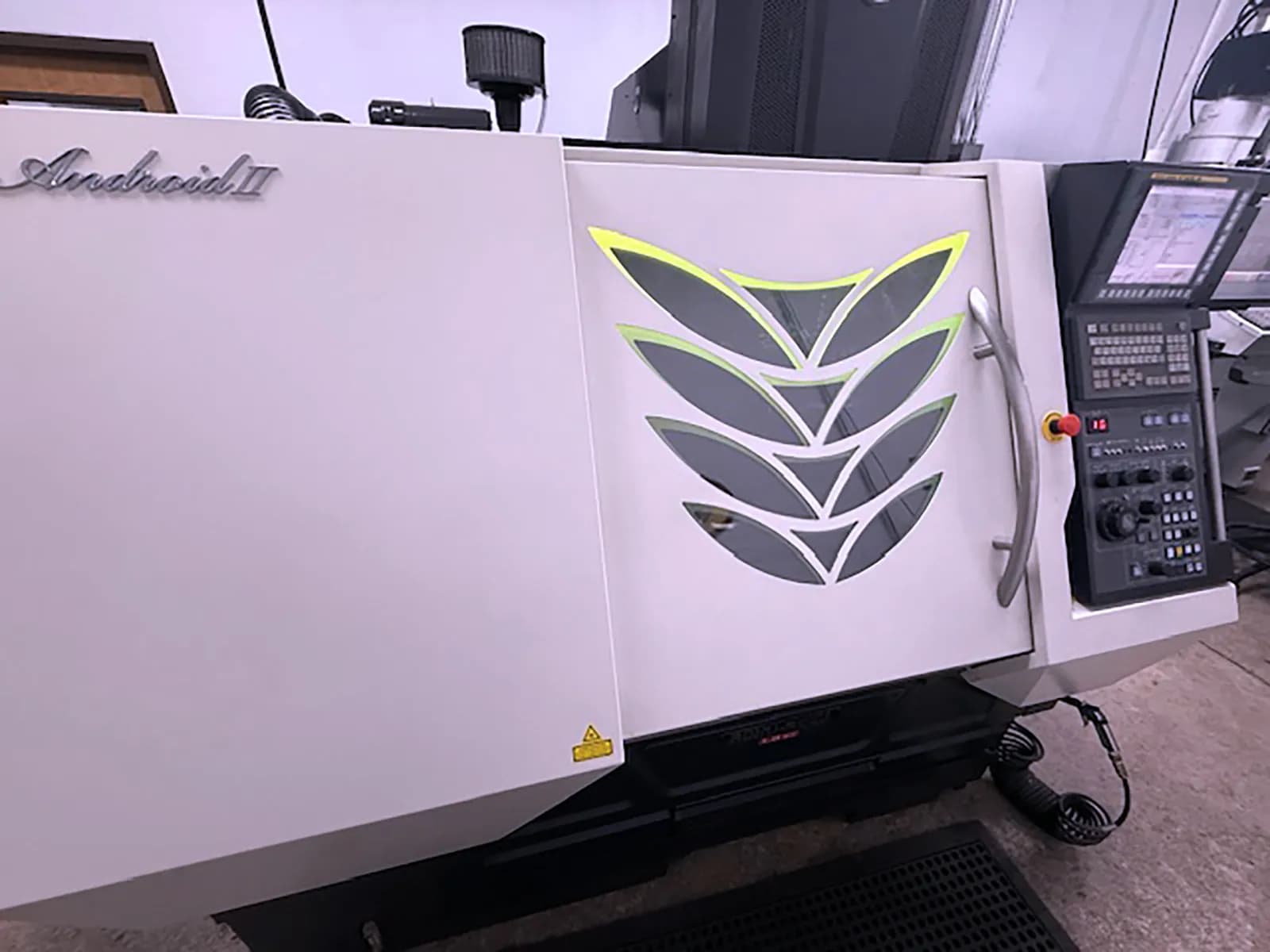
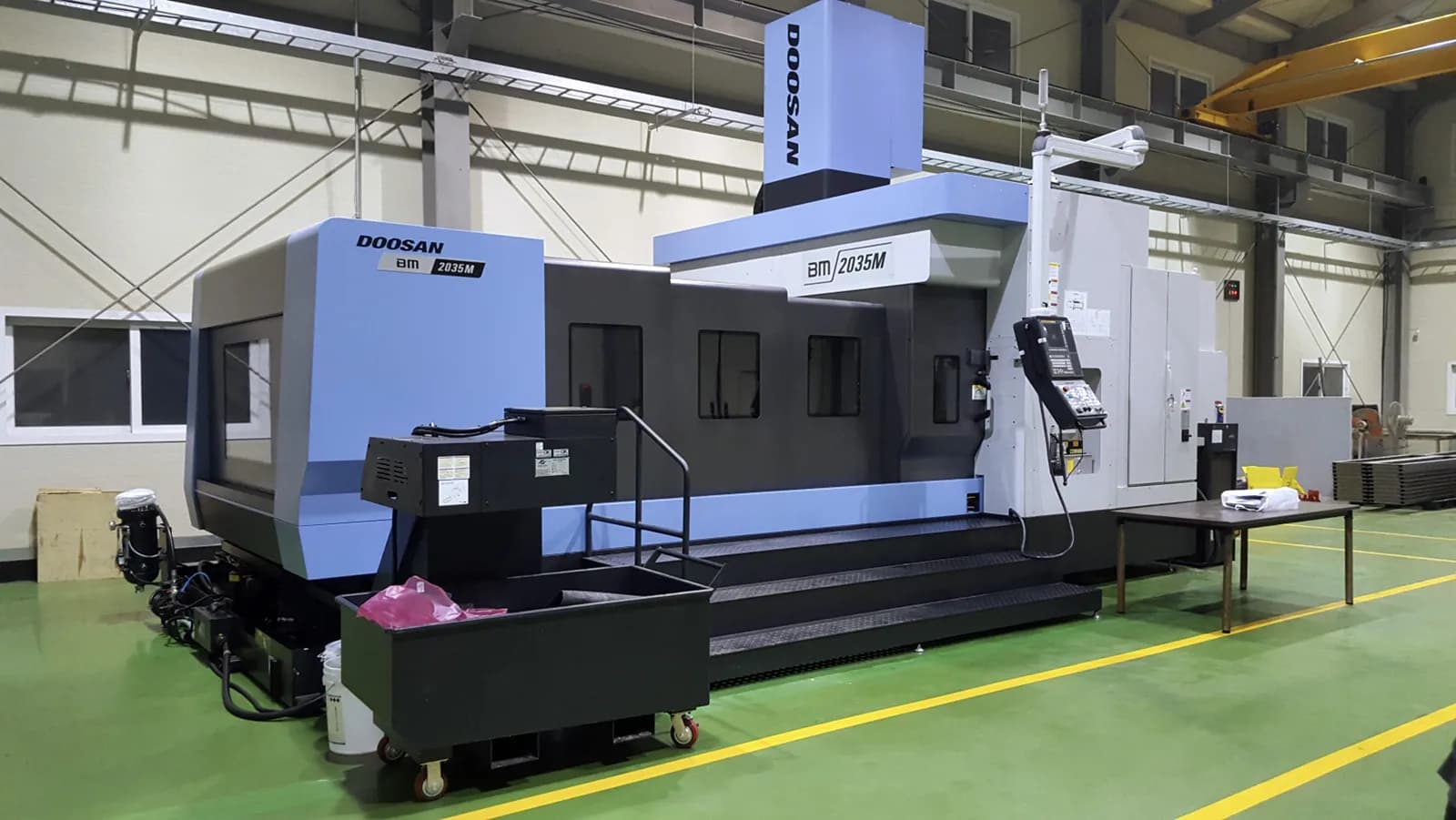
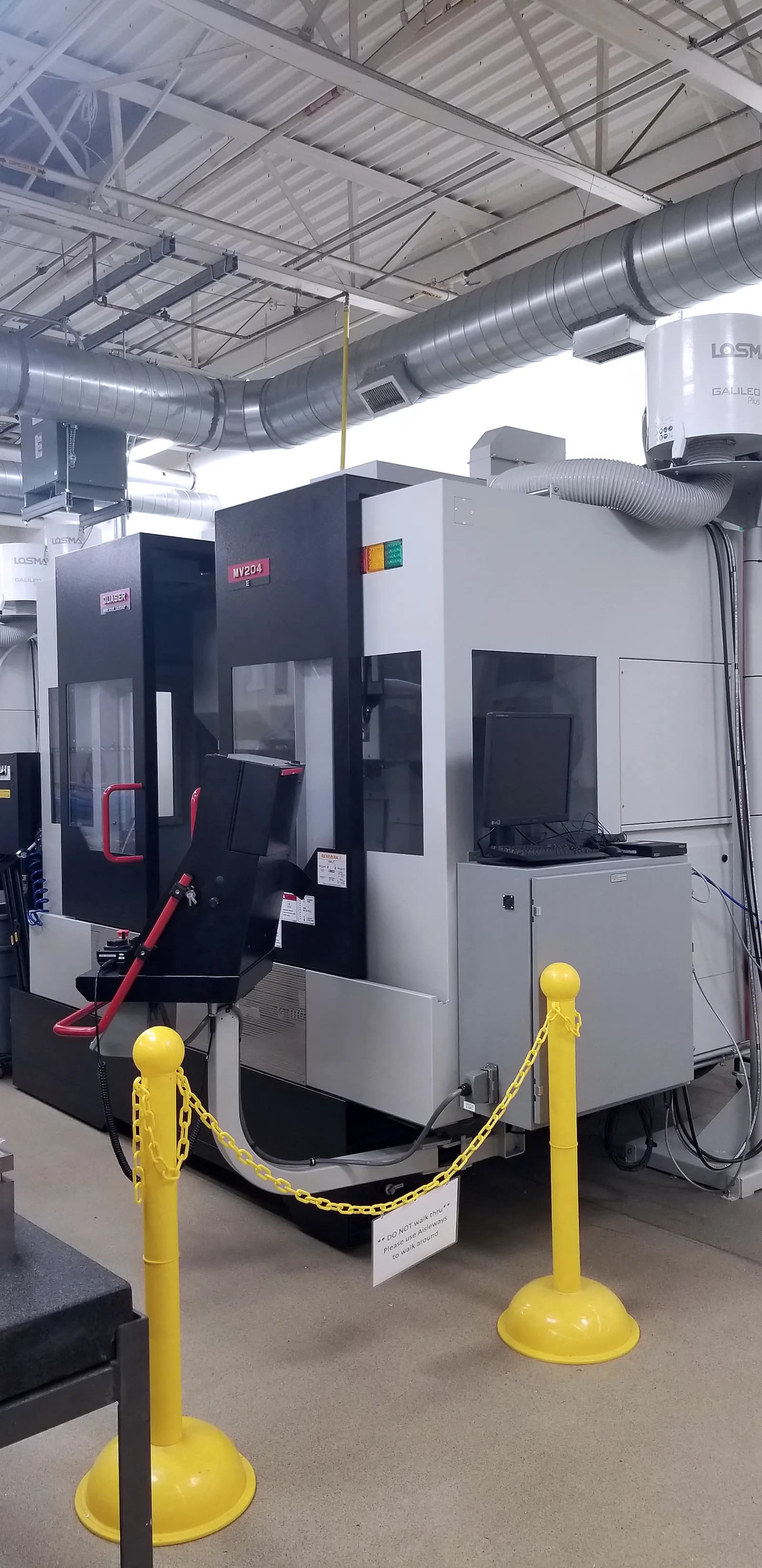
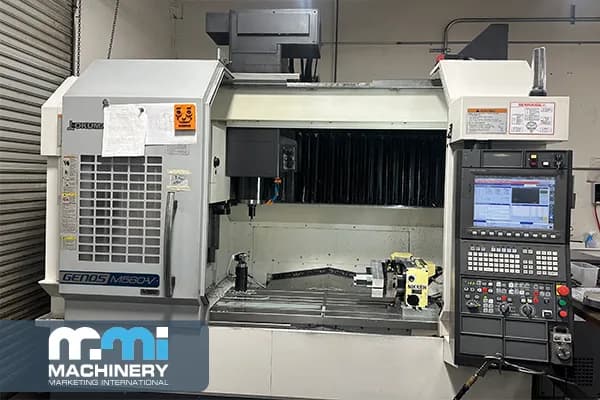
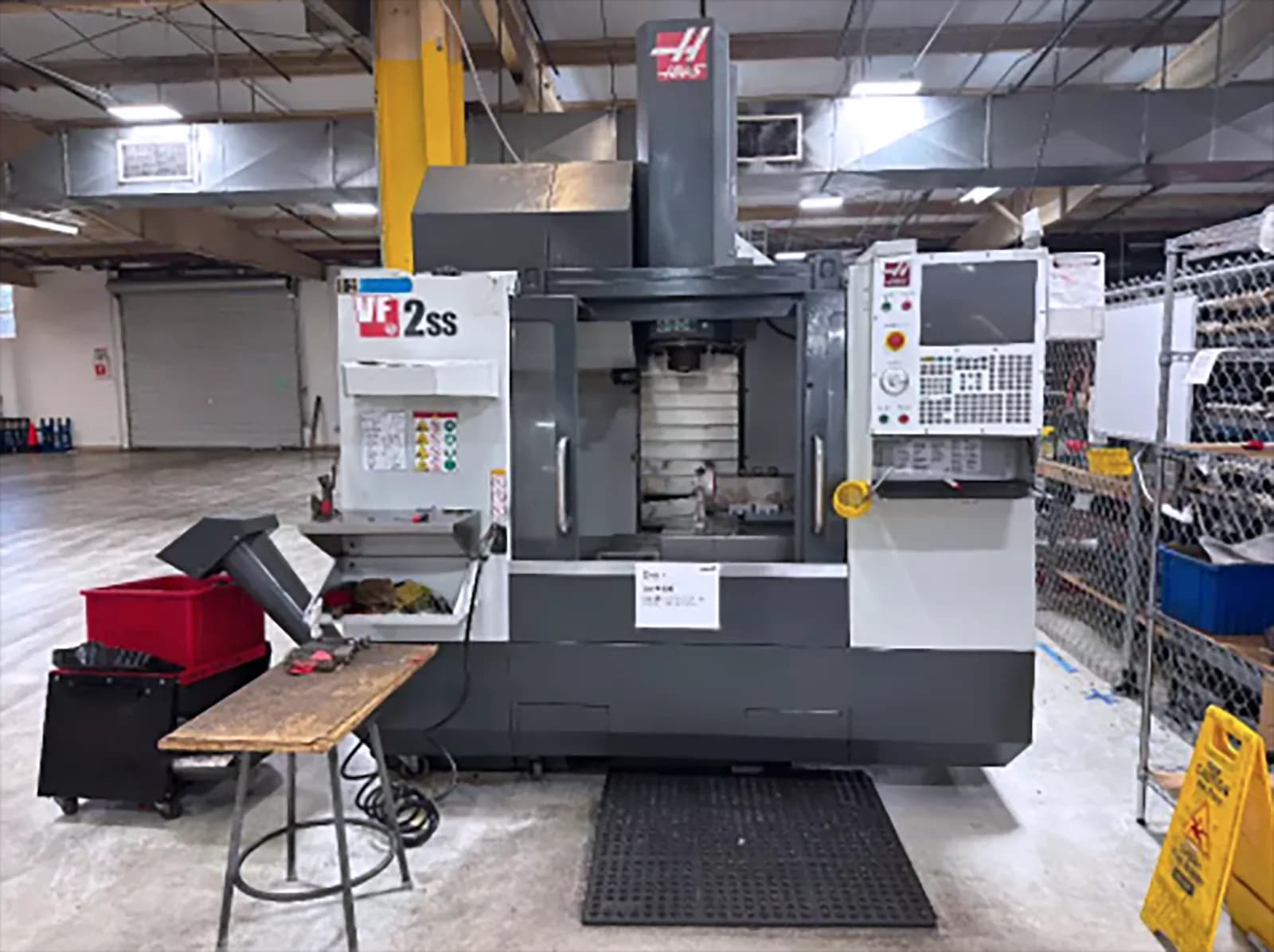
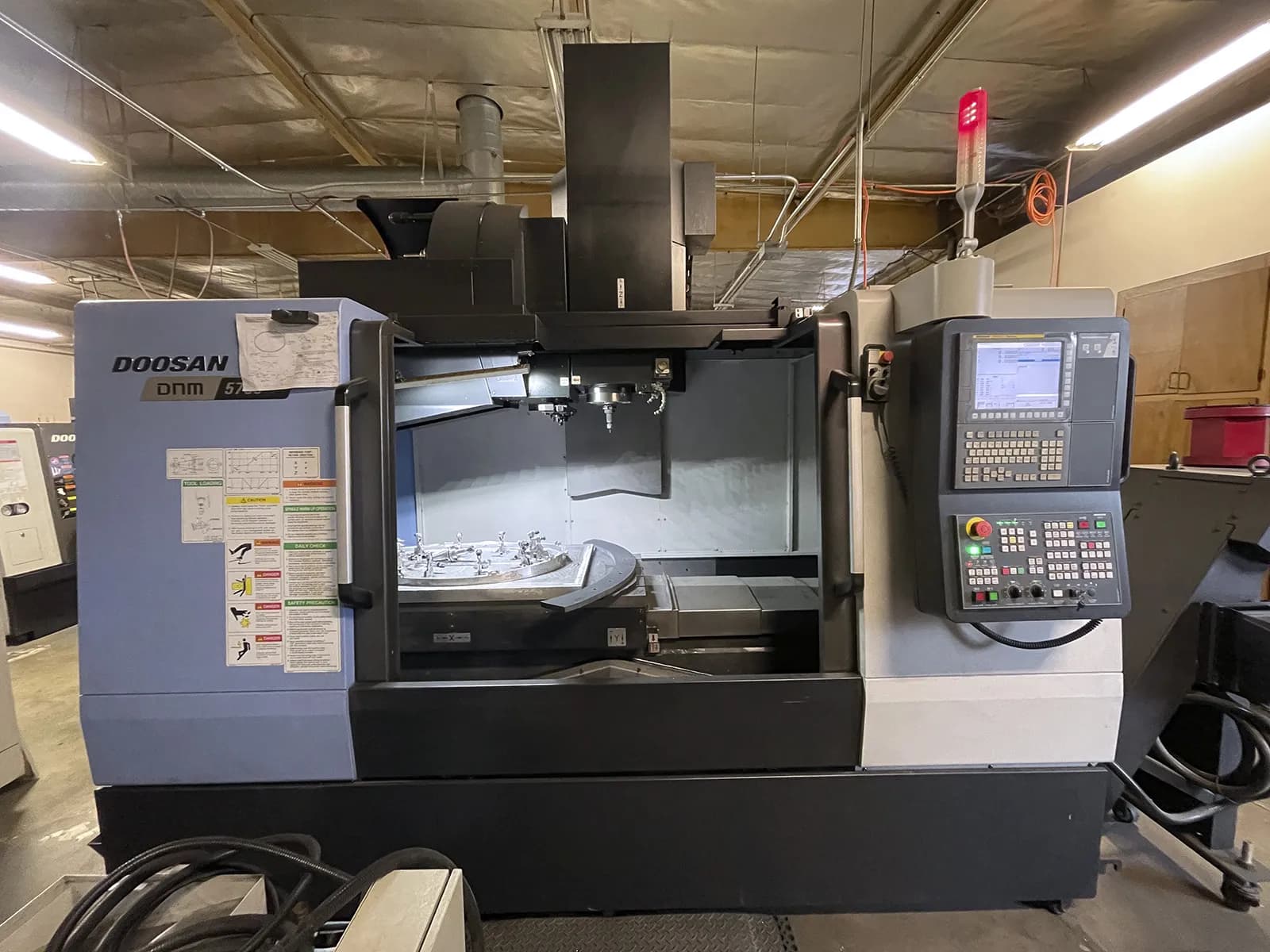

GET CASH VALUE
Turn Surplus CNC machines into Cash.
How Can MMI Help You Find the Right Vertical Machining Center?
MMI helps buyers match the right VMC configuration to the job, since travel size, spindle speed, and axis count vary enormously across brands and price points.
Here's what that looks like in practice:
- Application matching. We ask about part size, tolerance requirements, and production volume, then point you toward the correct platform — standard 3-axis, 4th-axis rotary, or full 5-axis — instead of just what's currently in stock.
- Control and tooling documentation. Every listing notes the control platform, tool changer capacity, and spindle taper, so you know exactly what you're buying.
- Financing and trade-in support. MMI helps structure financing on used VMCs and can factor in a trade-in of your existing machine.
- Nationwide and international rigging and logistics. Our logistics team manages disconnect, transport, and reinstallation, including releveling and recalibration on arrival.
- Model sourcing. If the exact configuration you need isn't currently listed, our team actively sources it through our network.
If you're not sure which VMC fits your application, contact our machinery specialists or review financing options before you buy.
What Is a Vertical Machining Center?
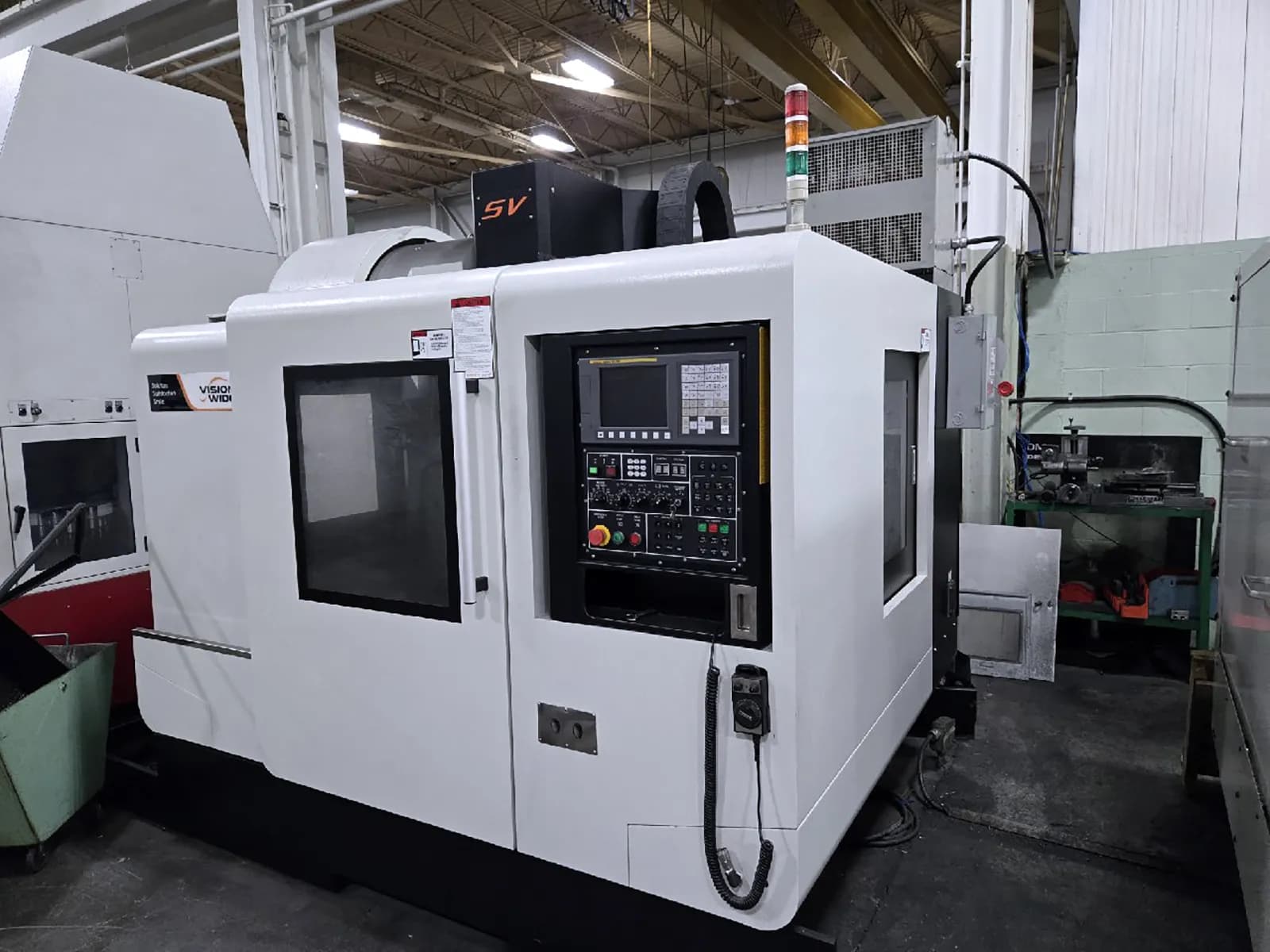
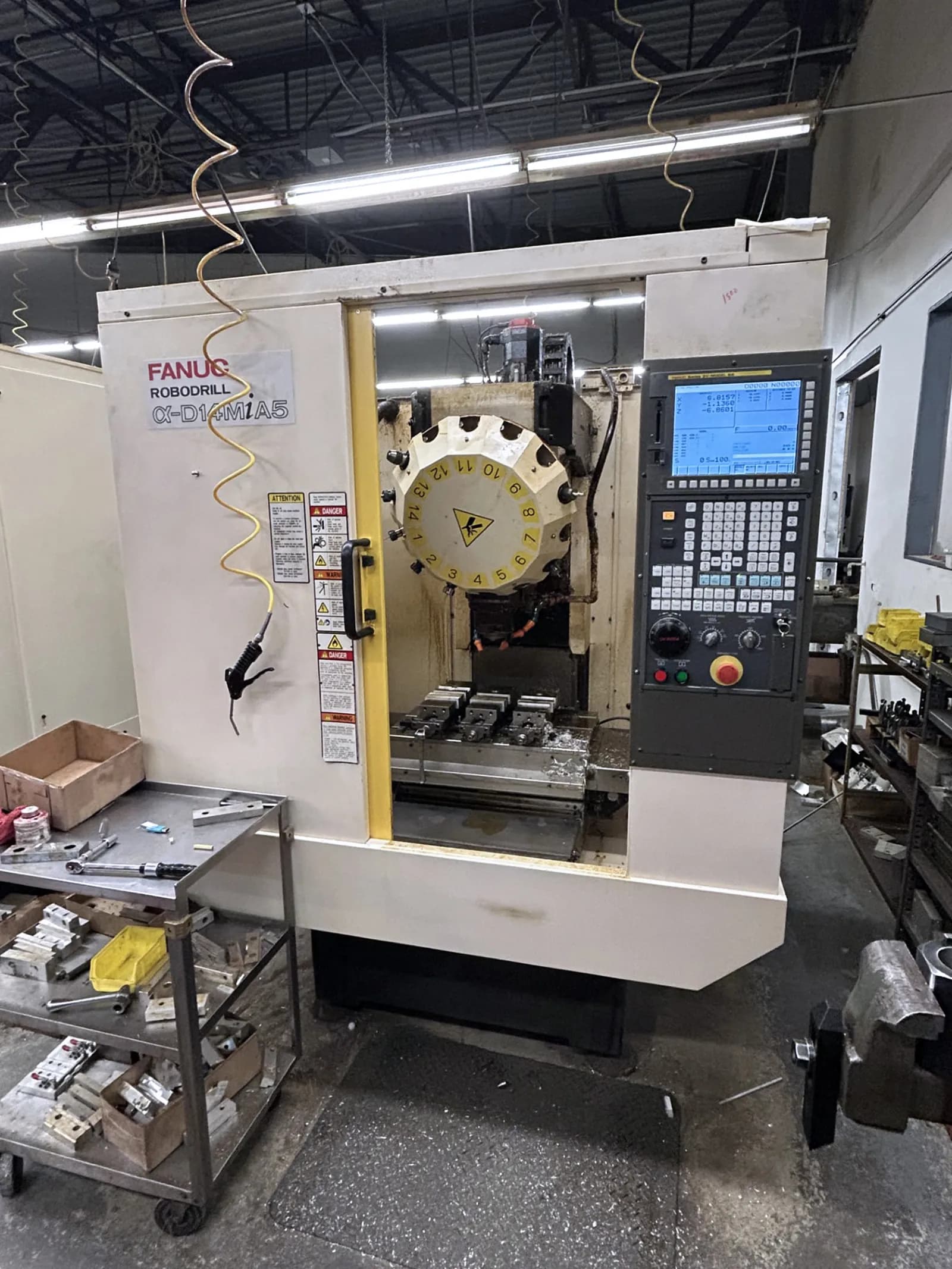
A vertical machining center is a CNC machine tool with a vertically oriented spindle, meaning the cutting tool points straight down into the workpiece — the opposite orientation from a horizontal machining center, where the spindle sits on its side.
This orientation gives operators a clear, direct view into the cutting area, which makes VMCs easier to set up, program, and monitor than most other machine types — one reason they're the standard first machine in most job shops.
Common operations:
- Milling
- Drilling
- Tapping
- Boring
- Contouring
- Engraving
VMCs machine a wide range of materials, including steel, stainless steel, aluminum, titanium, and plastics, and range from simple 3-axis models to advanced 4-axis and 5-axis configurations for complex geometries.
Major Types of Vertical Machining Centers
3-Axis VMCs. The standard configuration, moving the tool along X, Y, and Z axes — the most common setup for general milling, drilling, and tapping work.
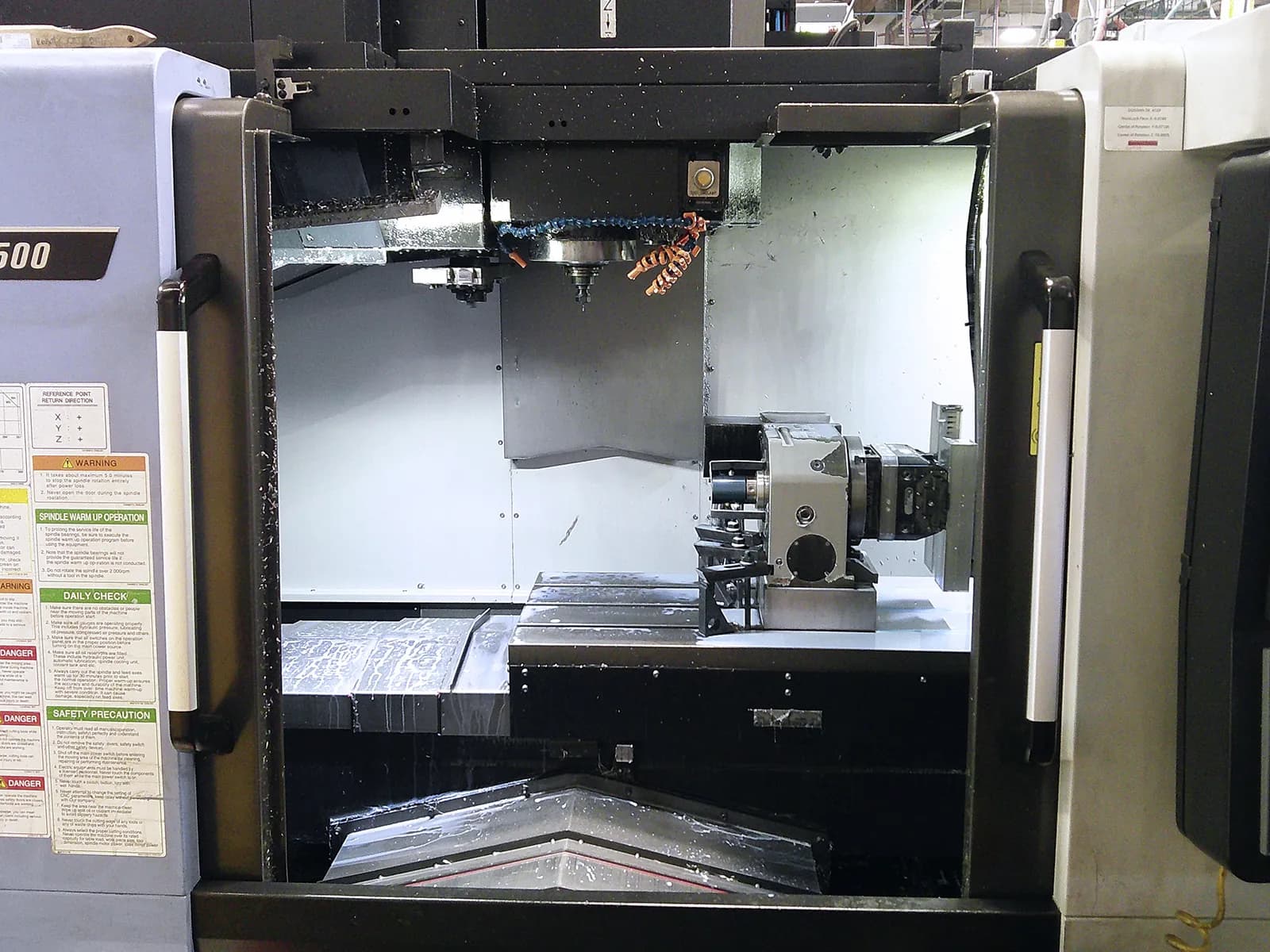
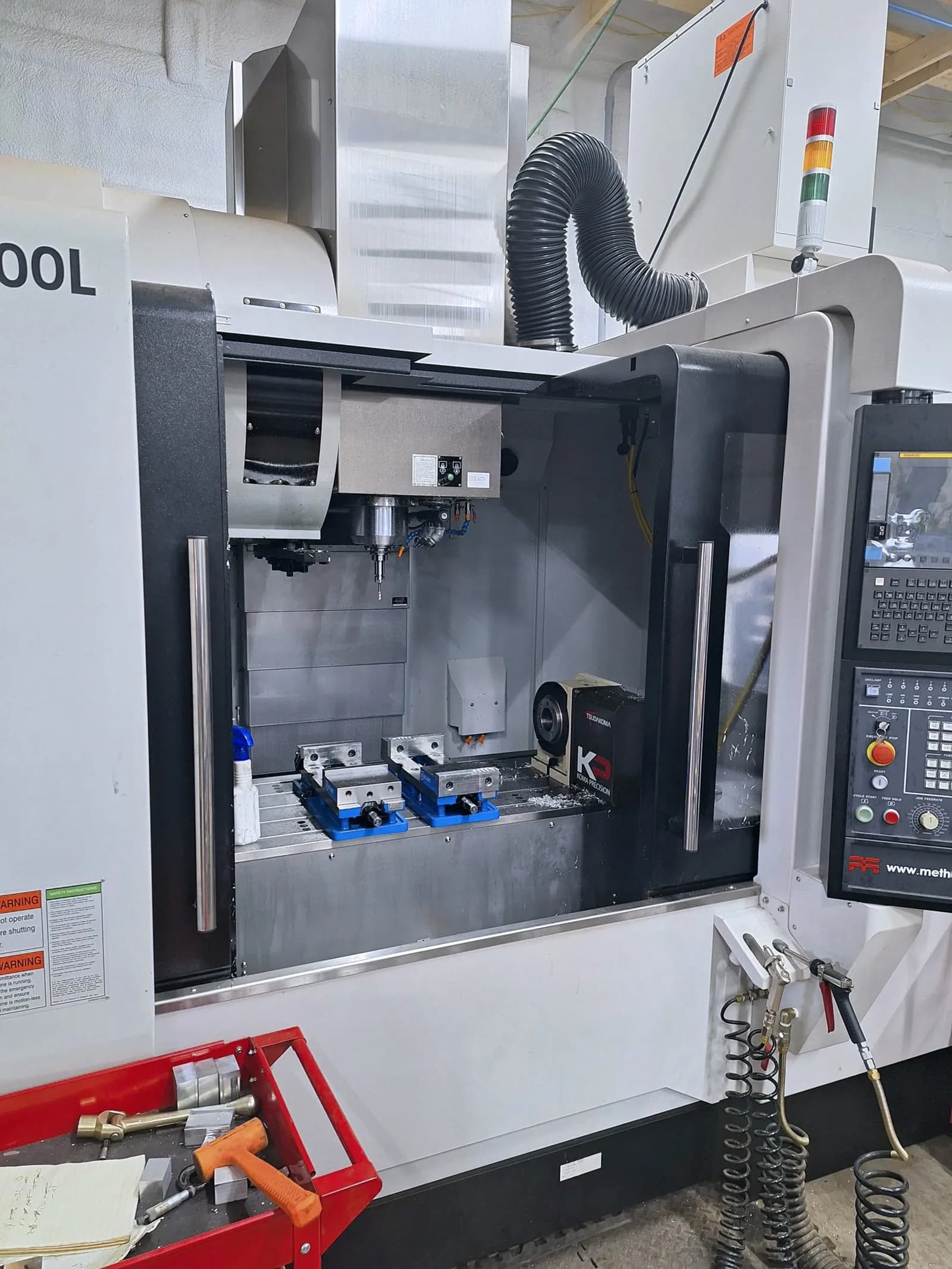
4-Axis VMCs. Add a rotary table (A-axis) for machining around a part without manual repositioning, useful for parts with features on multiple sides.
5-Axis VMCs. Add simultaneous or positional tilt capability, allowing complex contours and angled features to be machined in a single setup — common in aerospace and mold/die work.
VMCs with Pallet Changers. Twin or multi-pallet systems let one part load while another is being machined, closing much of the productivity gap with horizontal machining centers at a lower cost.
Vertical Machining Center Model Reference
| Brand and Series | Popular Models |
|---|---|
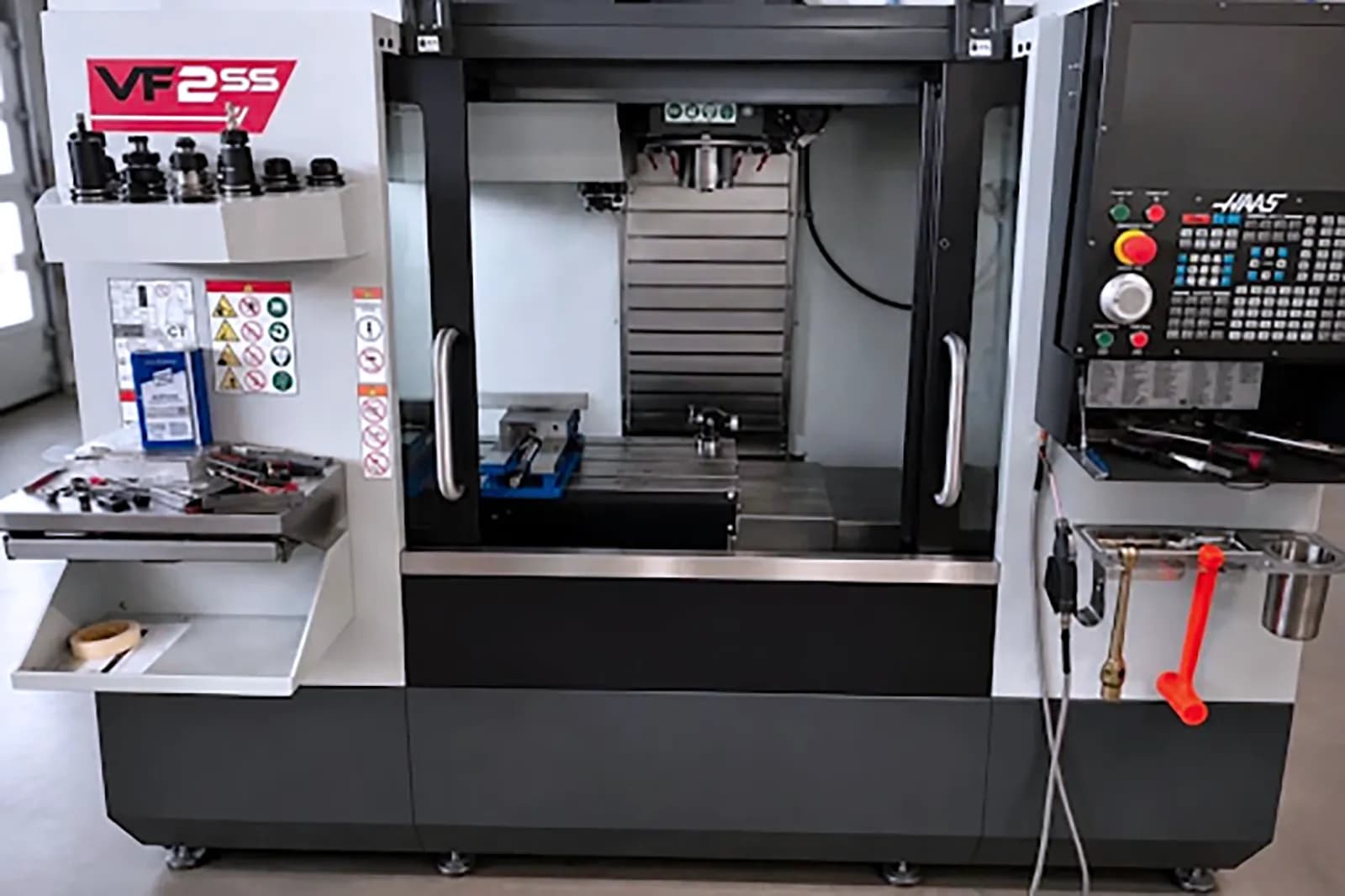
| Haas VF | Haas VF-1, VF-2, VF-3, VF-4, VF-5, VF-6 |
| Haas UMC | Haas UMC-750, UMC-750SS |
| Okuma Genos M | Okuma Genos M460-V, M560-V |
| Makino PS / F-Series | Makino PS95, PS105, F5, F3 |
| Mazak VCN | Mazak VCN410A, VCN510C, VCN700 |
| DN Solutions (Doosan) DNM | Doosan DNM 4500, DNM 5700, DNM 6700 |
| Hurco VM / VMX | Hurco VM10, VMX30i, VMX42i |
Industries That Use Vertical Machining Centers
VMCs are used across nearly every industry that requires machined metal or plastic components, including:
- automotive manufacturing
- aerospace machining
- medical device production
- mold and die manufacturing
- general job shop production
Because VMCs handle such a broad range of part sizes and complexities, they're typically the first and most versatile machine in any shop's equipment lineup.
Why Do Manufacturers Use Vertical Machining Centers?
Manufacturers choose VMCs as their primary milling platform for a consistent set of production reasons:
- Easier setup and programming. The vertical spindle orientation gives operators direct visibility into the cutting zone, reducing setup time and programming errors.
- Lower cost of entry. VMCs are generally more affordable than horizontal machining centers or 5-axis platforms, making them the standard first machine for growing shops.
- Versatility across part types. A single 3-axis VMC can handle prototyping, short runs, and production work without specialized fixturing.
- Scalable capability. Shops can start with a basic 3-axis machine and move up to 4-axis or 5-axis configurations as job complexity grows.
- Strong resale value. High demand and broad compatibility with standard tooling keep used VMCs liquid on the resale market.
For shops comparing new versus used, a used vertical machining center typically delivers the same milling capability at a significant discount to new equipment pricing — which is where MMI's sourcing network adds the most value.
Looking for a Specific Vertical Machining Center?
Tell us your table size, spindle taper, and axis needs, and our team will help you find the right VMC, in stock or sourced through our network.