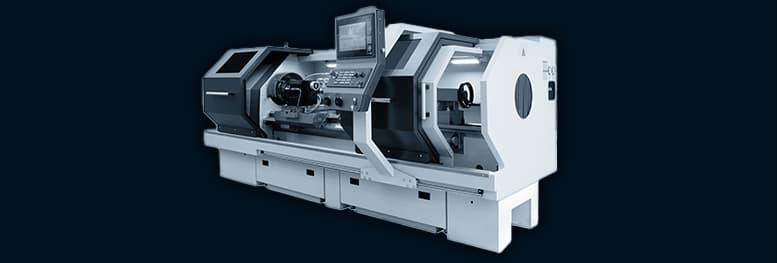

Used CNC Lathes For Sale
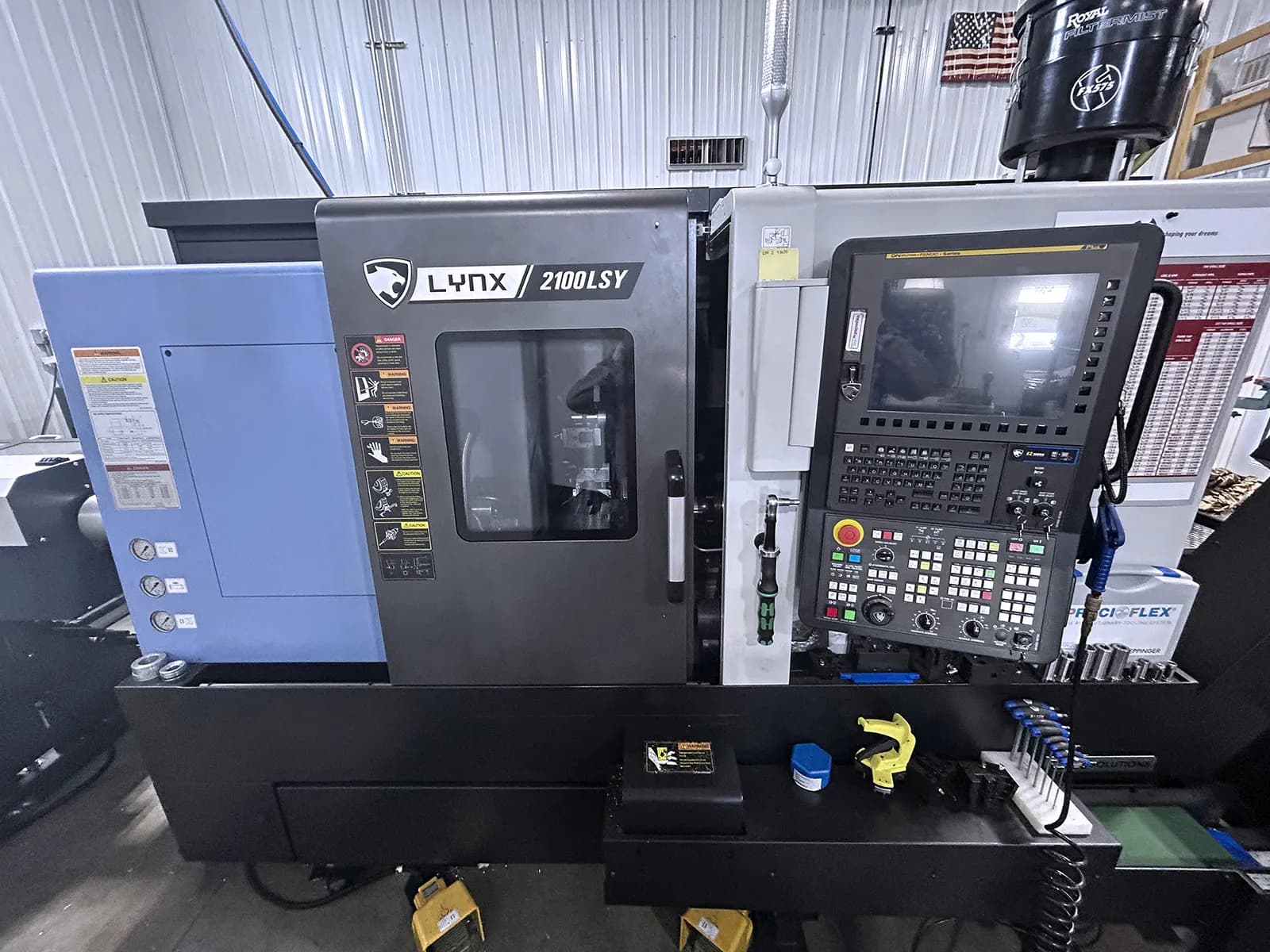
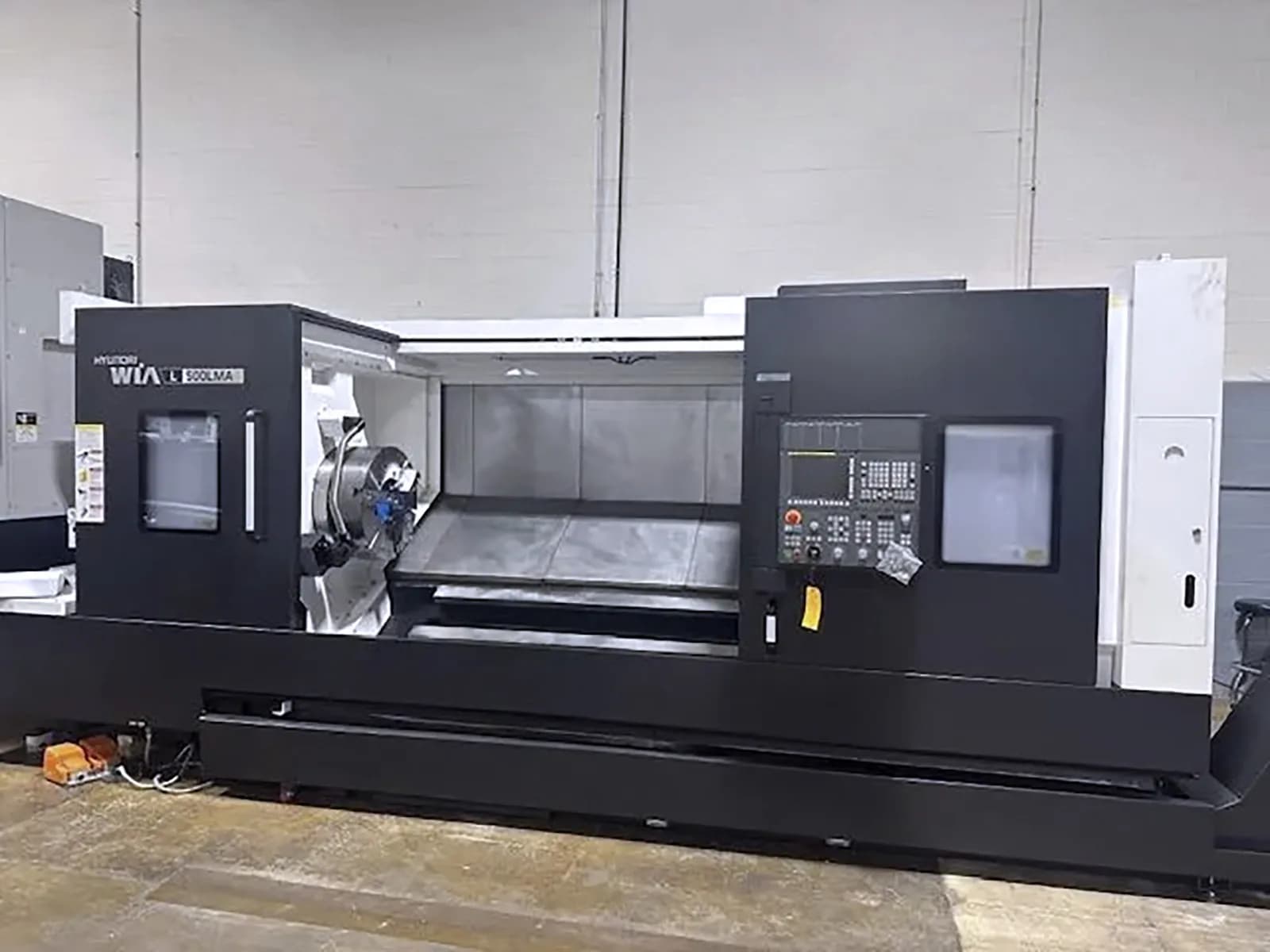
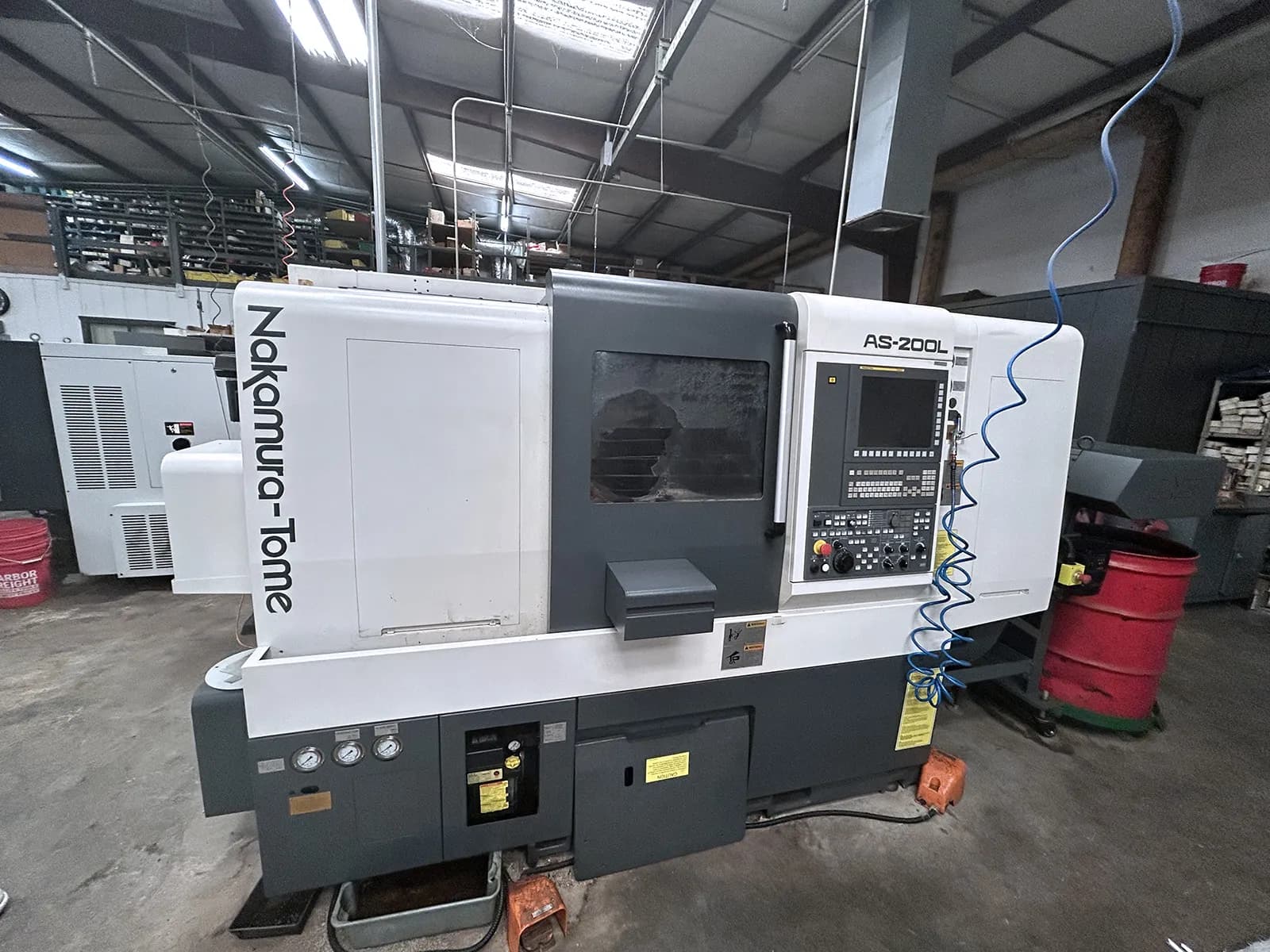
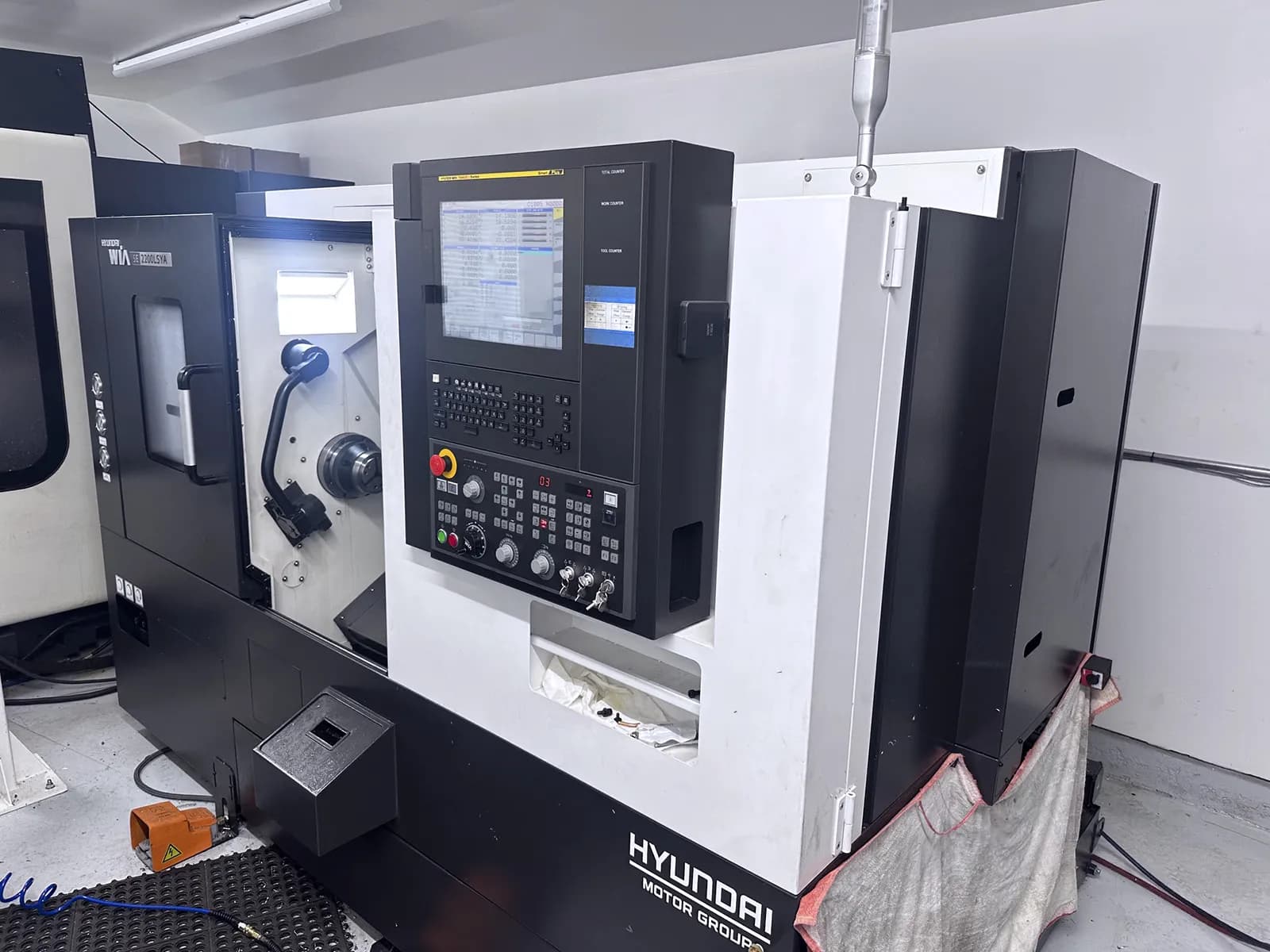
CNC lathes rotate the workpiece while a stationary cutting tool shapes it, making them the standard machine for producing cylindrical parts like shafts, bushings, and fittings with tight tolerances and repeatable accuracy. MMI sources used CNC lathes from Haas, Mazak, Okuma, DN Solutions (Doosan), Mori Seiki, DMG Mori, Nakamura-Tome, and Takamaz directly from manufacturers nationwide, giving you access to proven turning platforms without the new machine price tag or lead time.
Filters
Reset AllBrand
Control
Price
Year of Manufacture
Condition
Relevance:
Showing 1-20 of (104) results
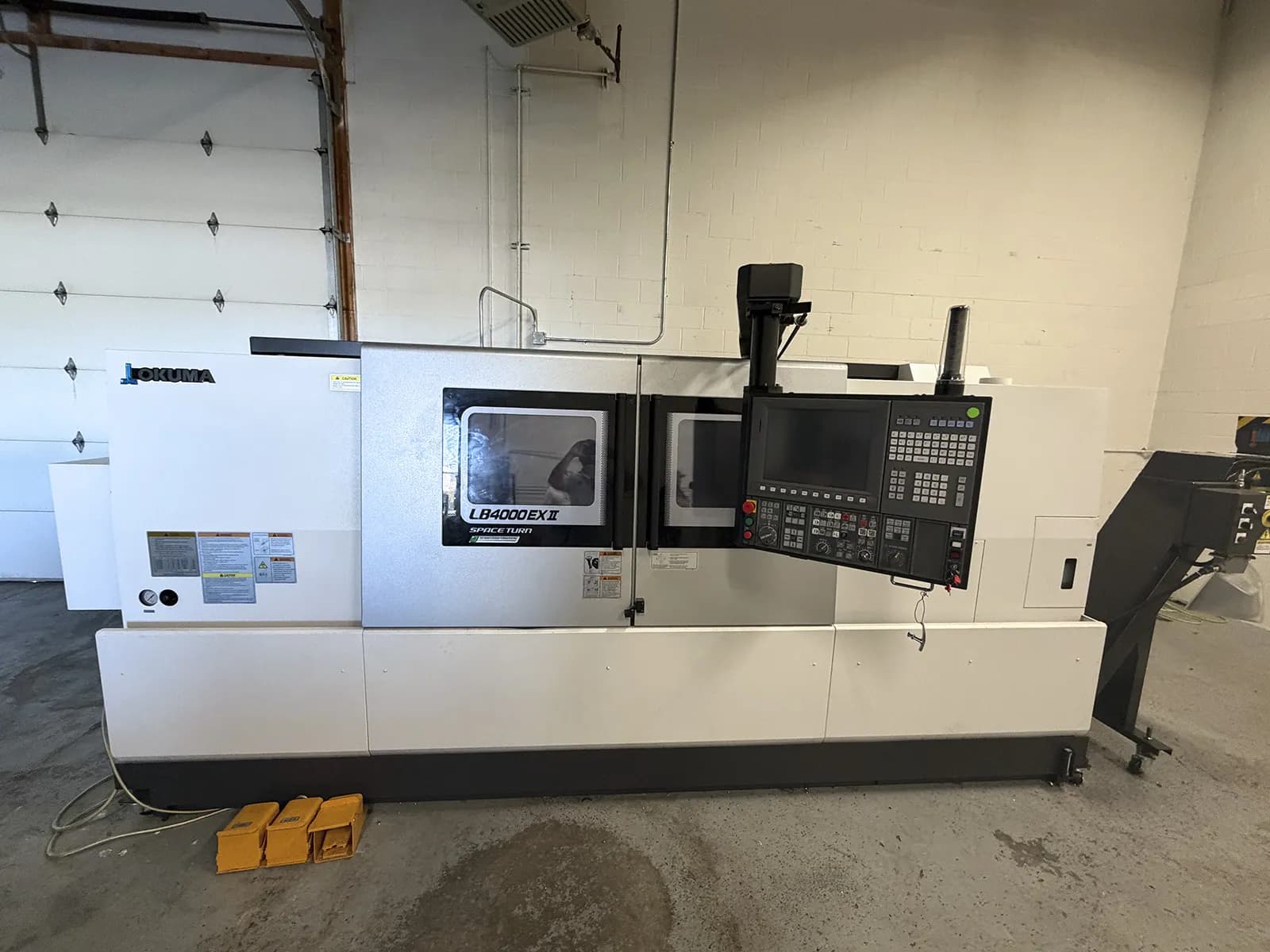
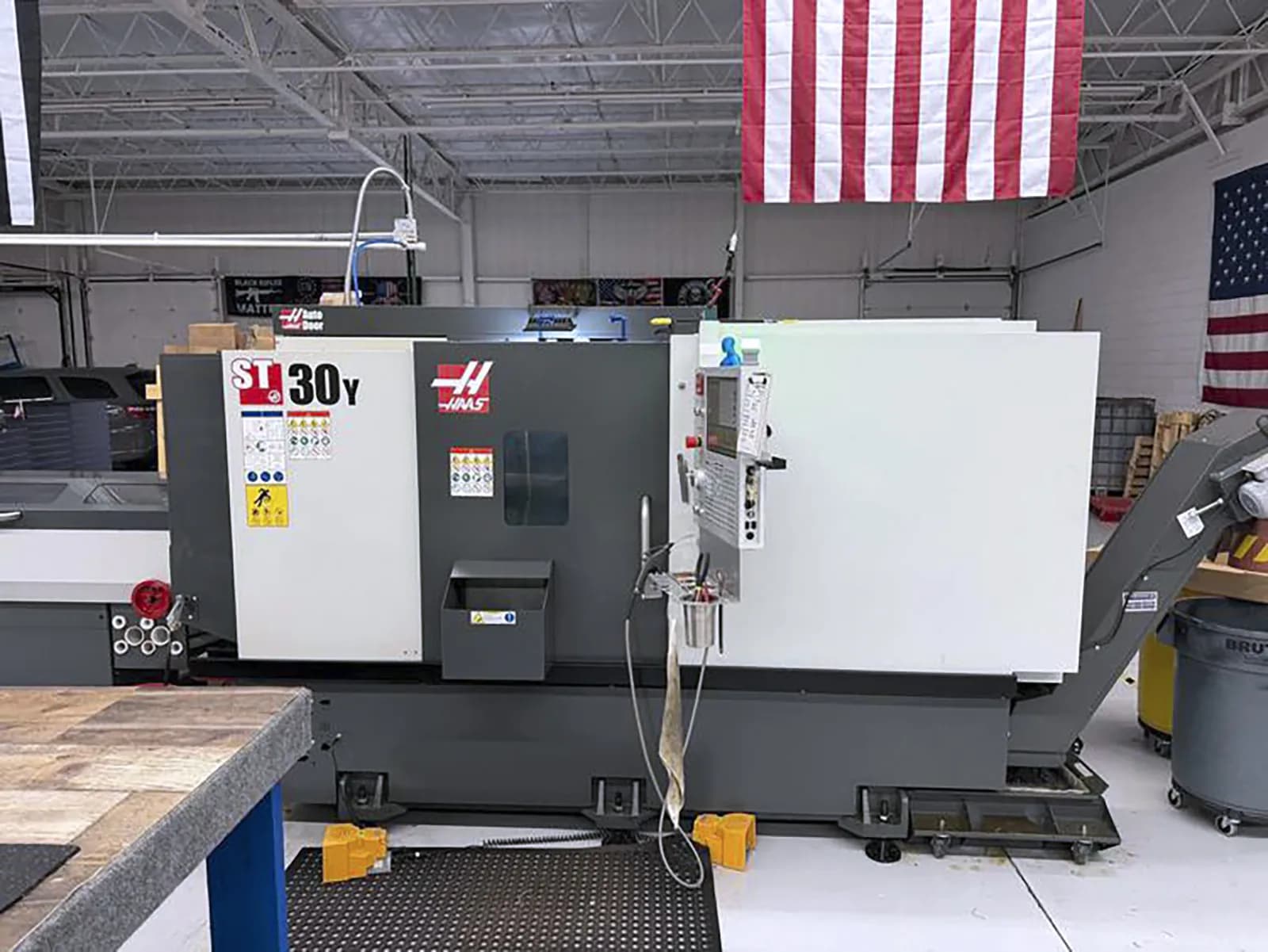
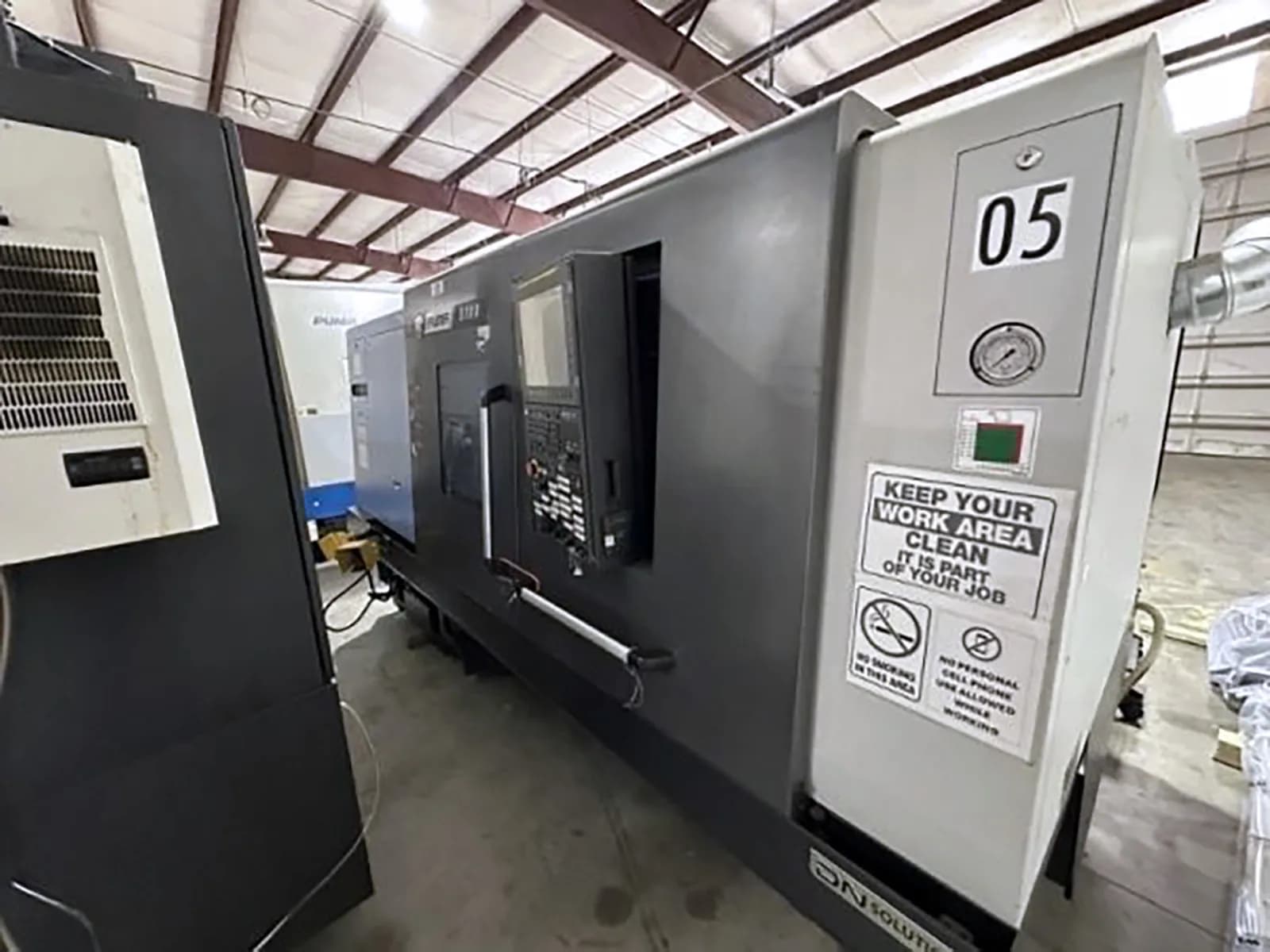
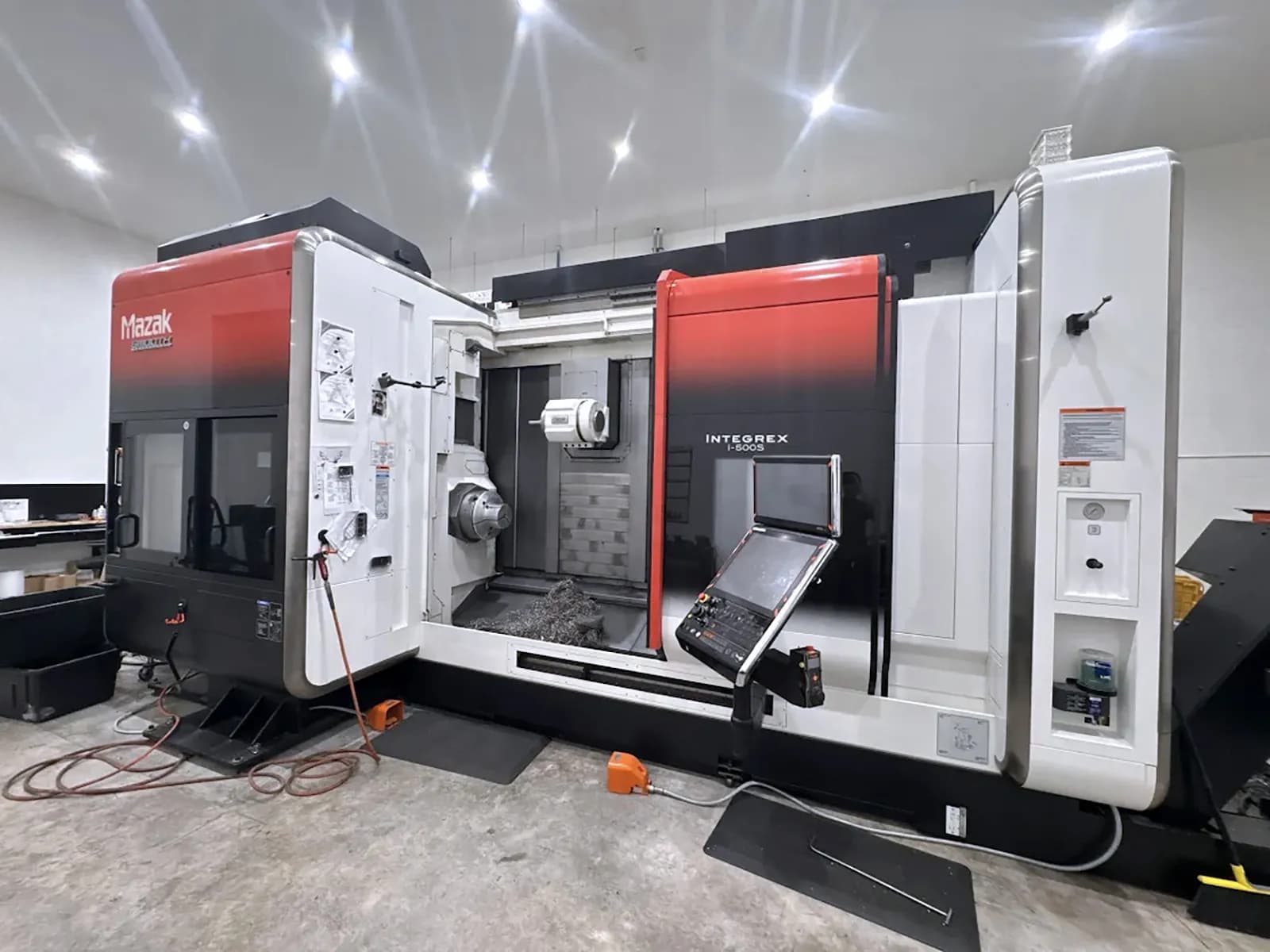
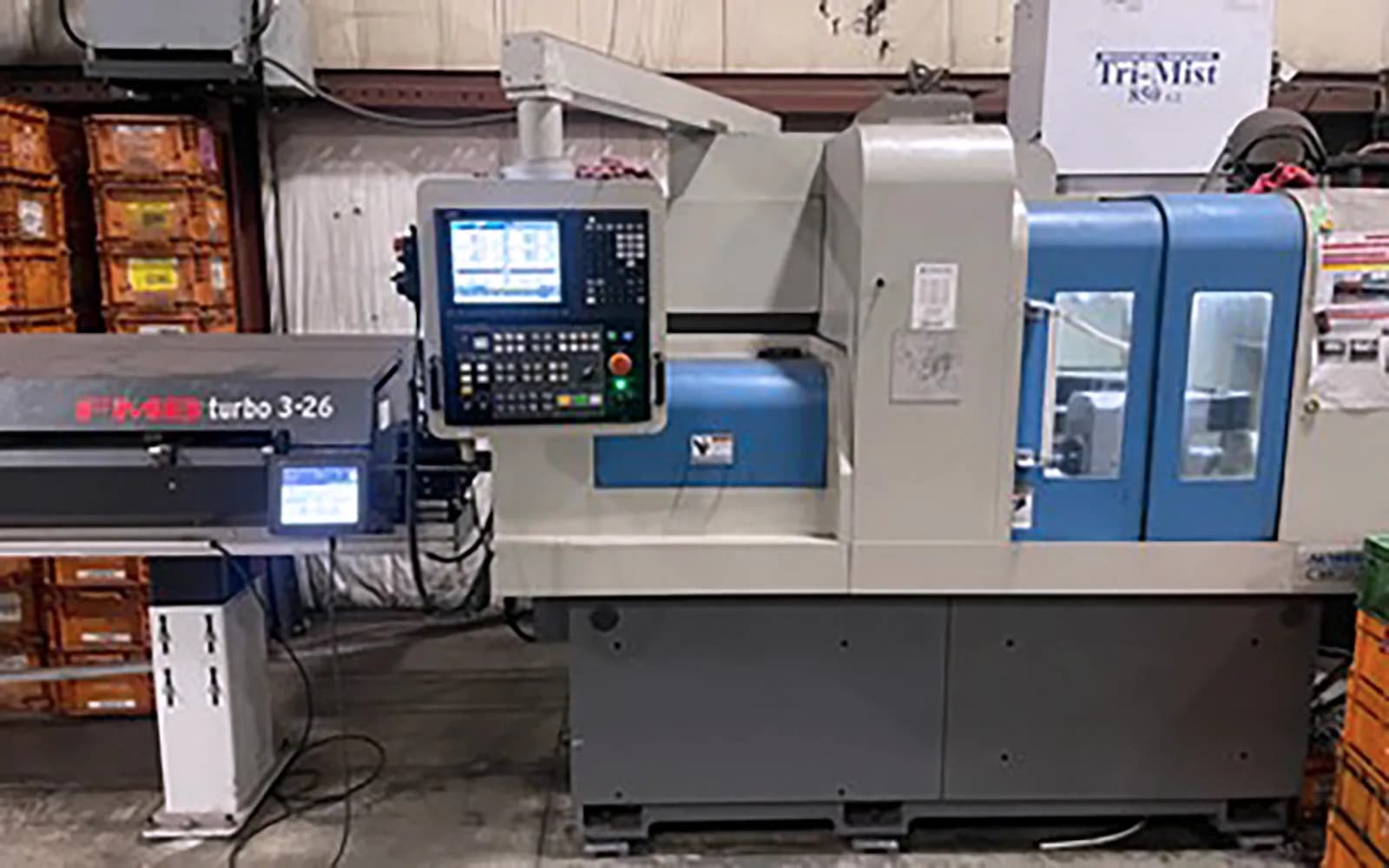
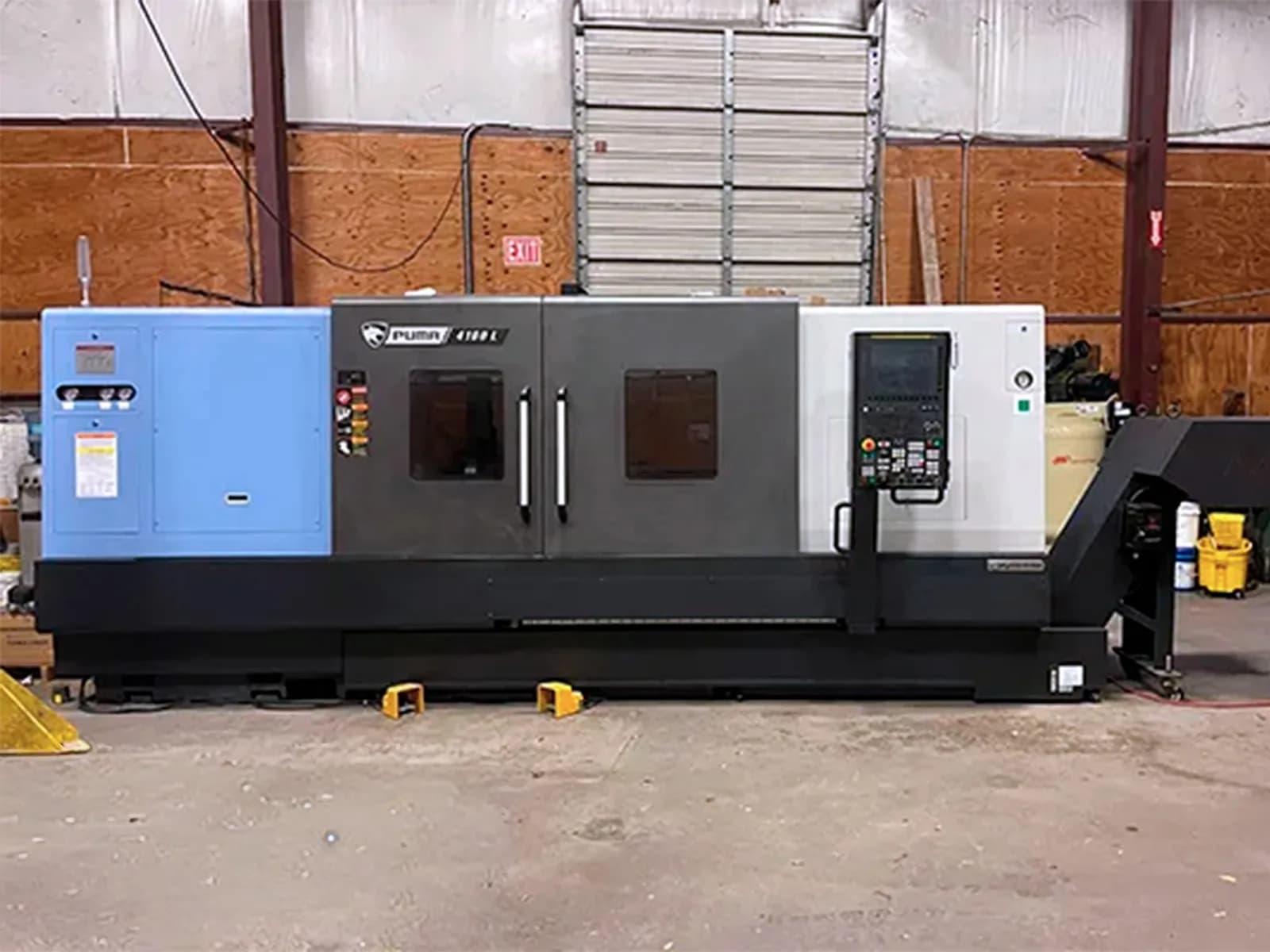
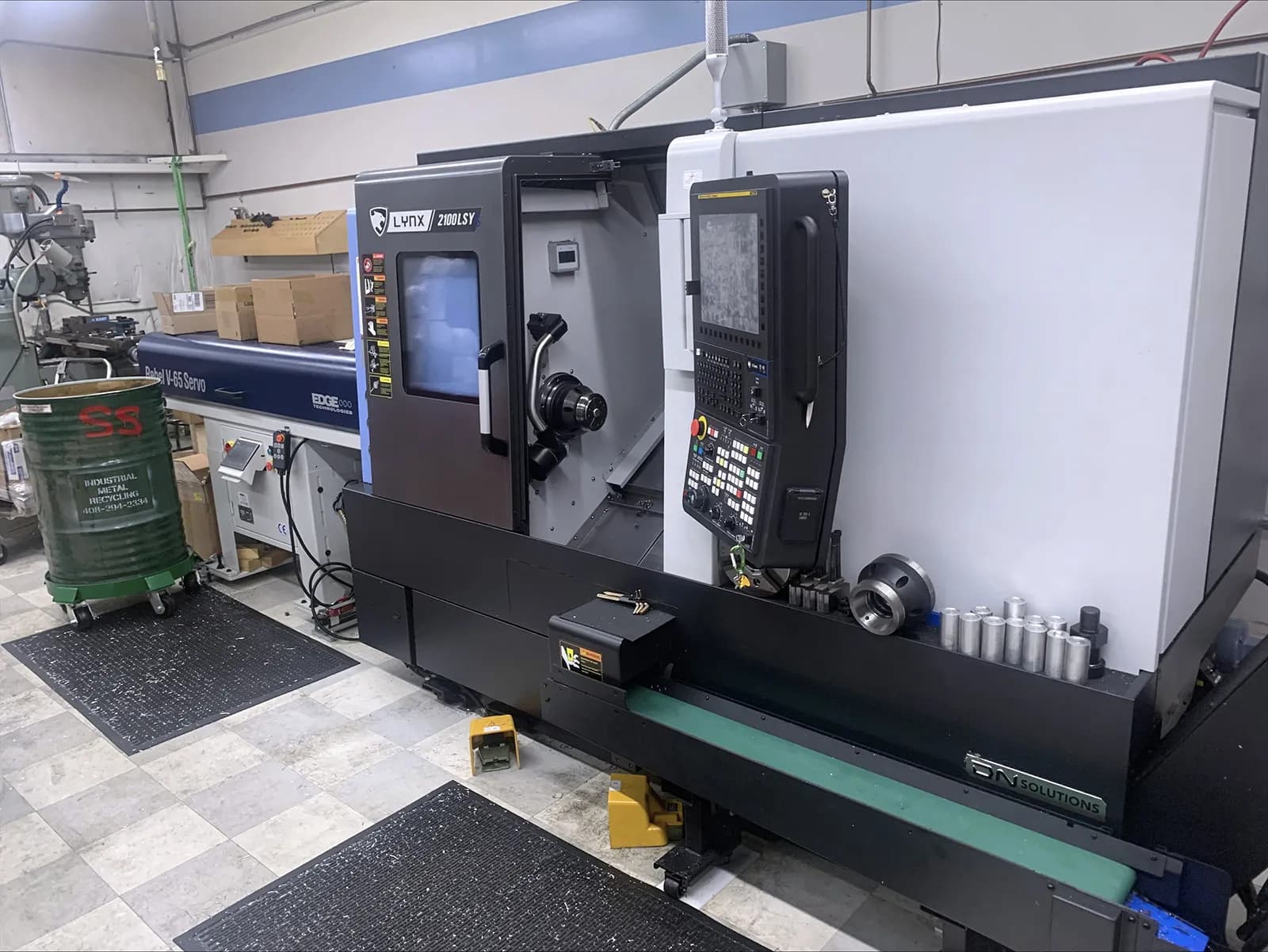
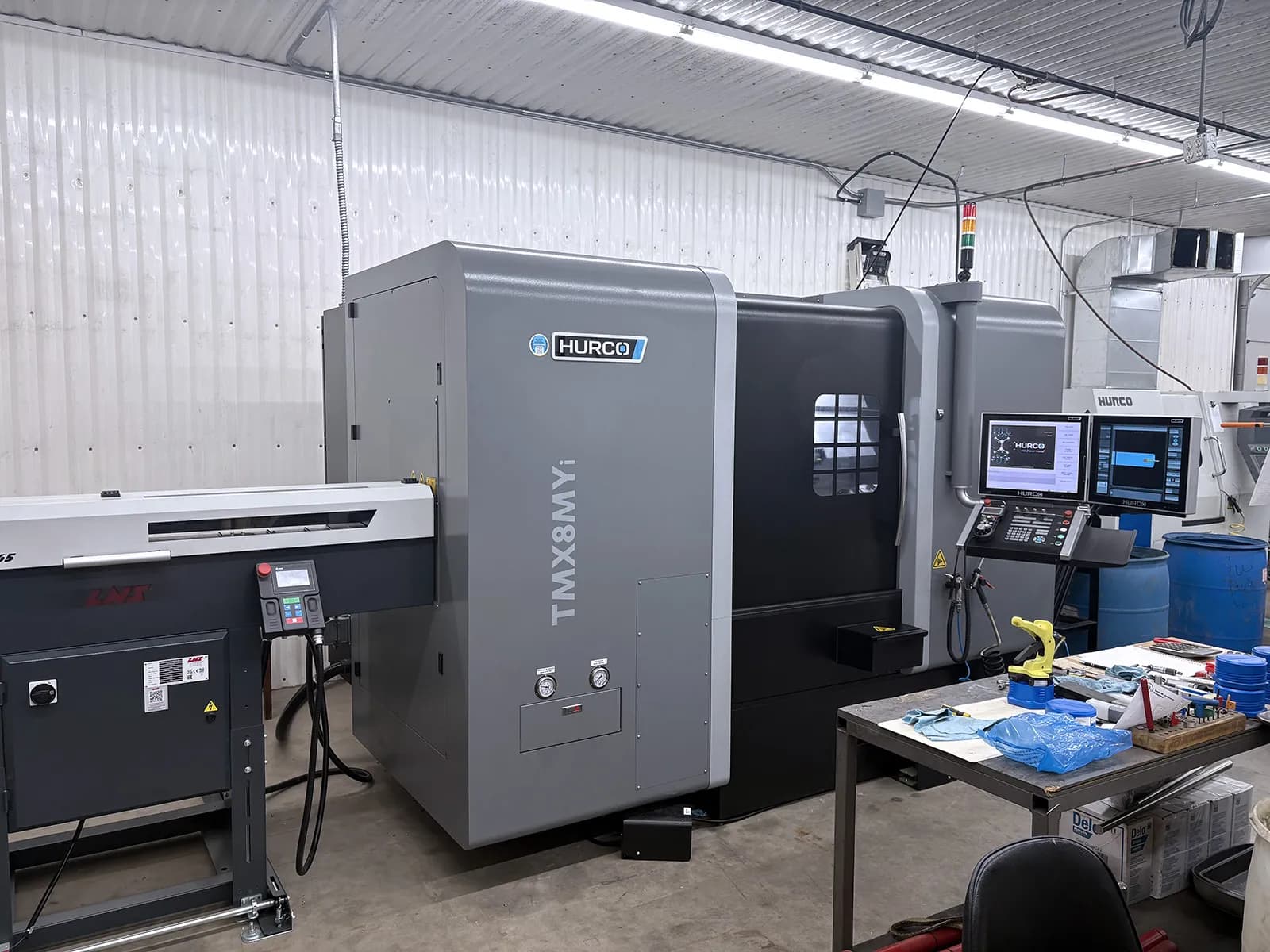
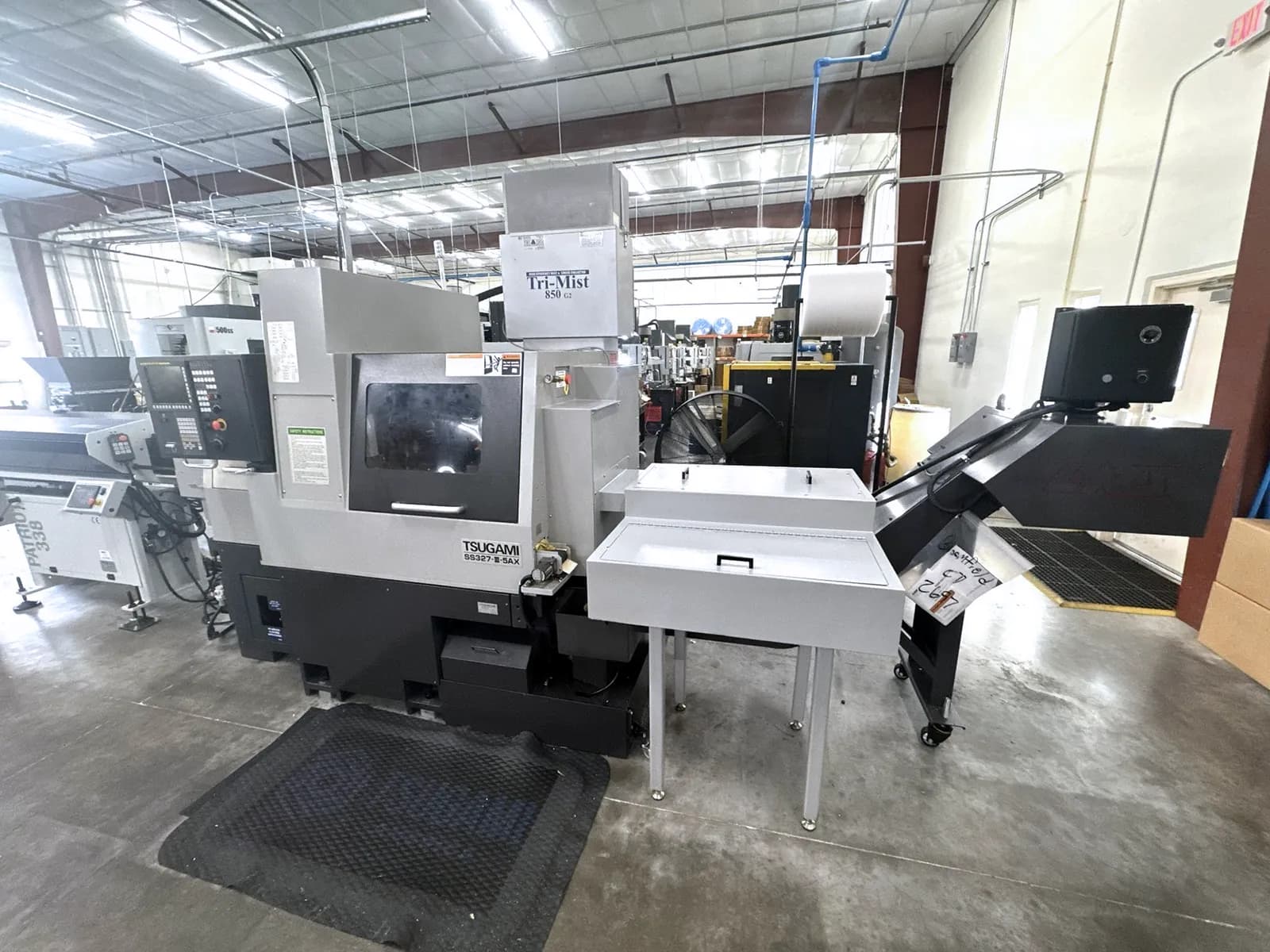
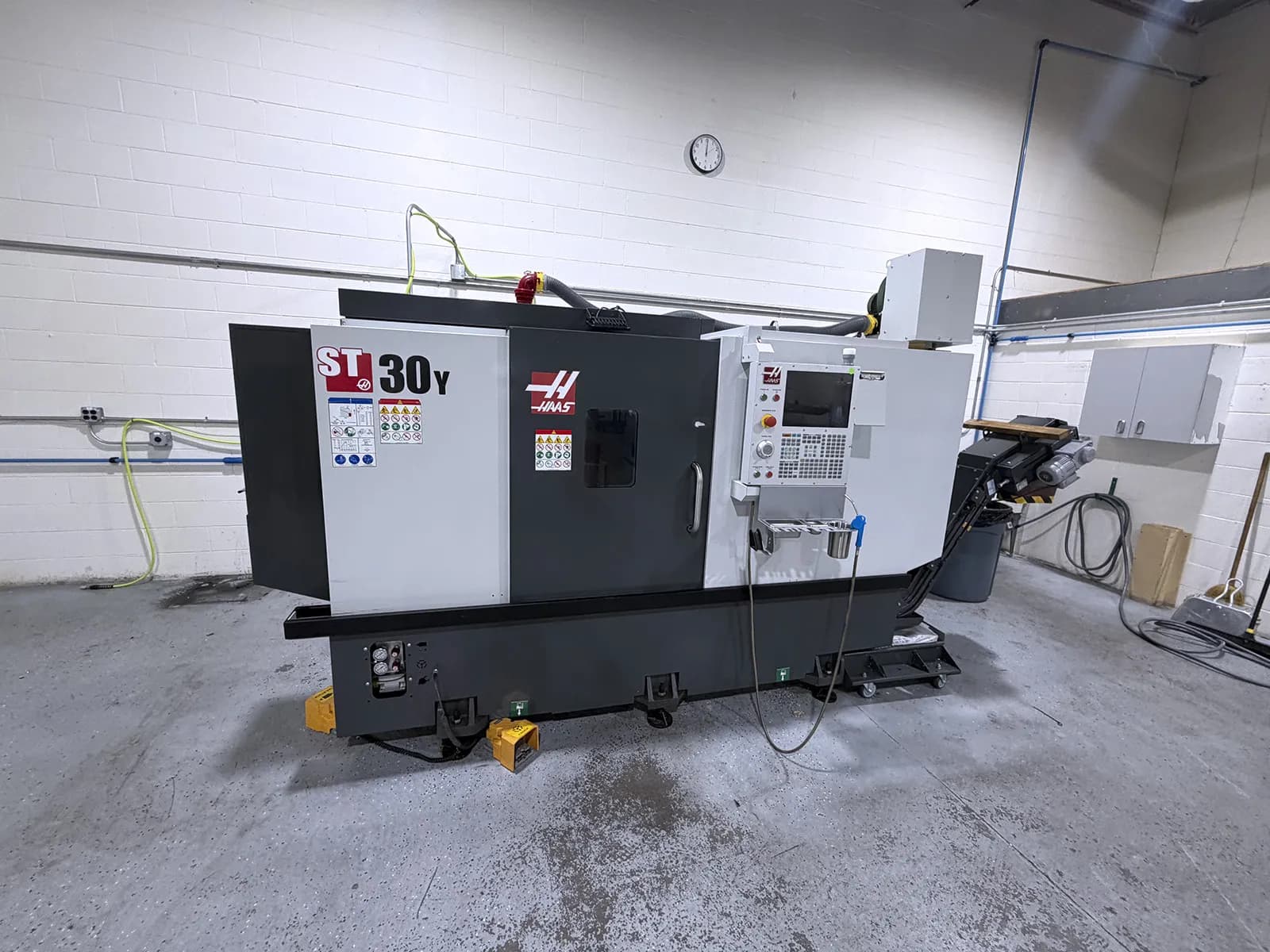
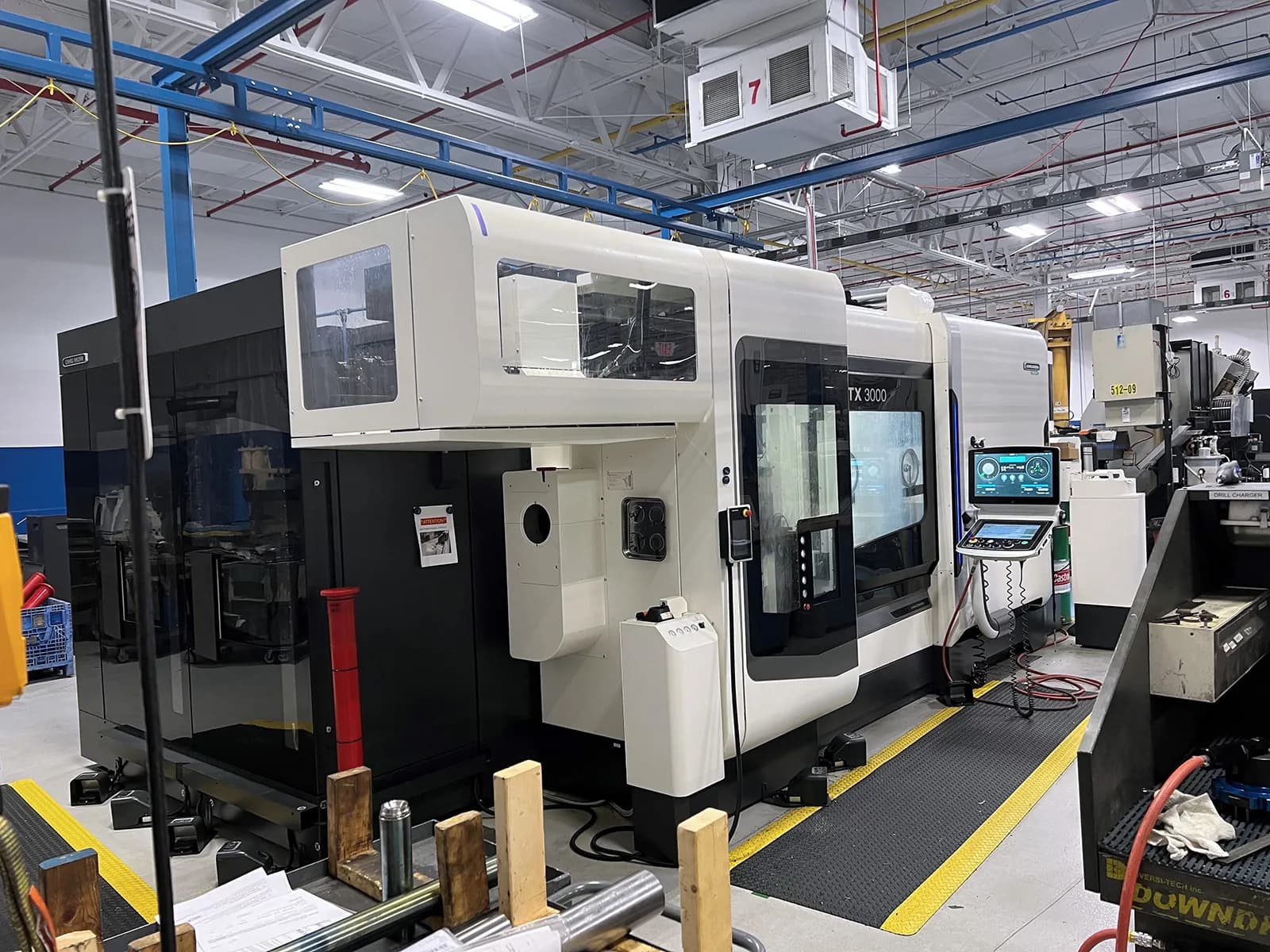
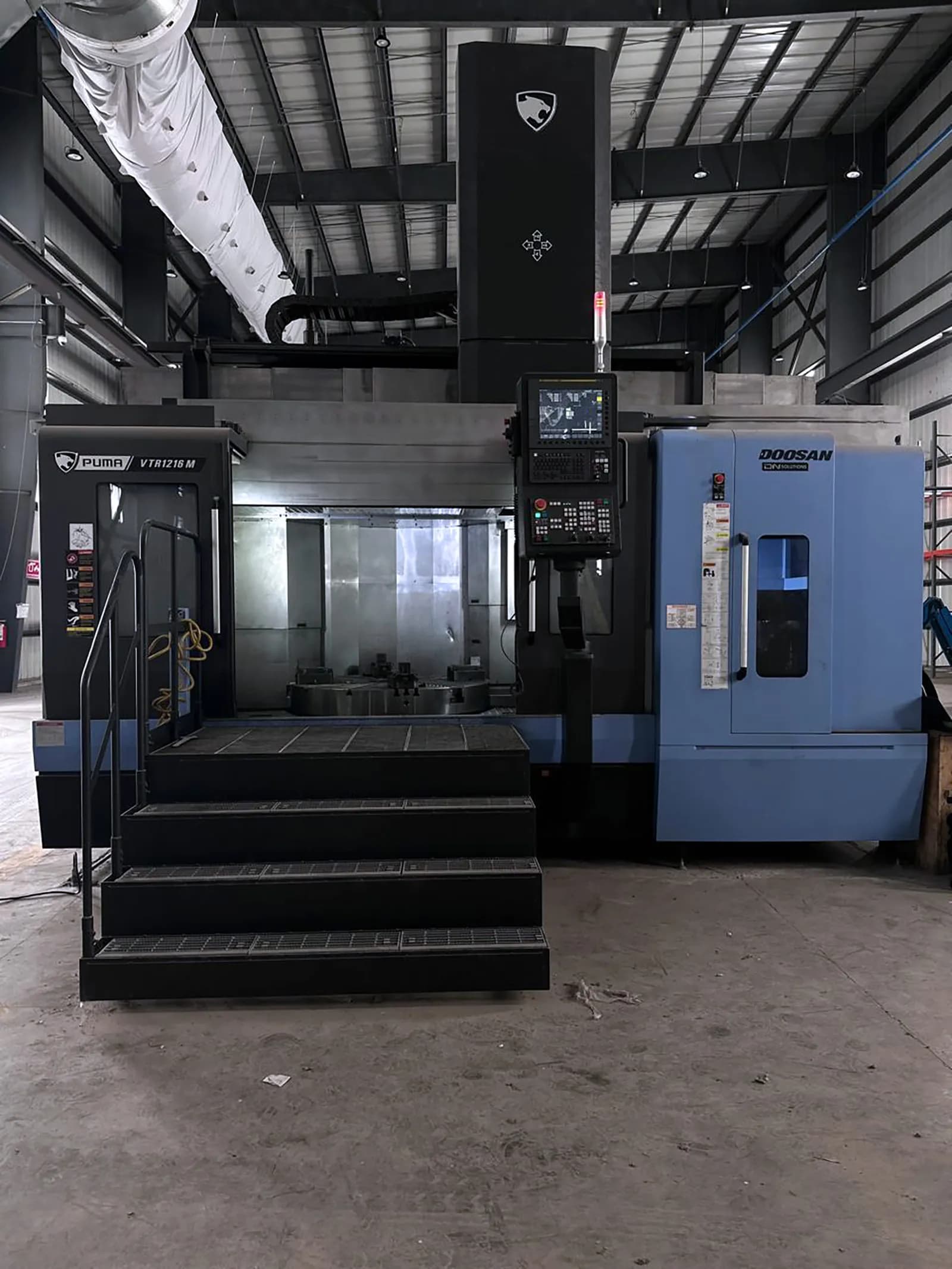
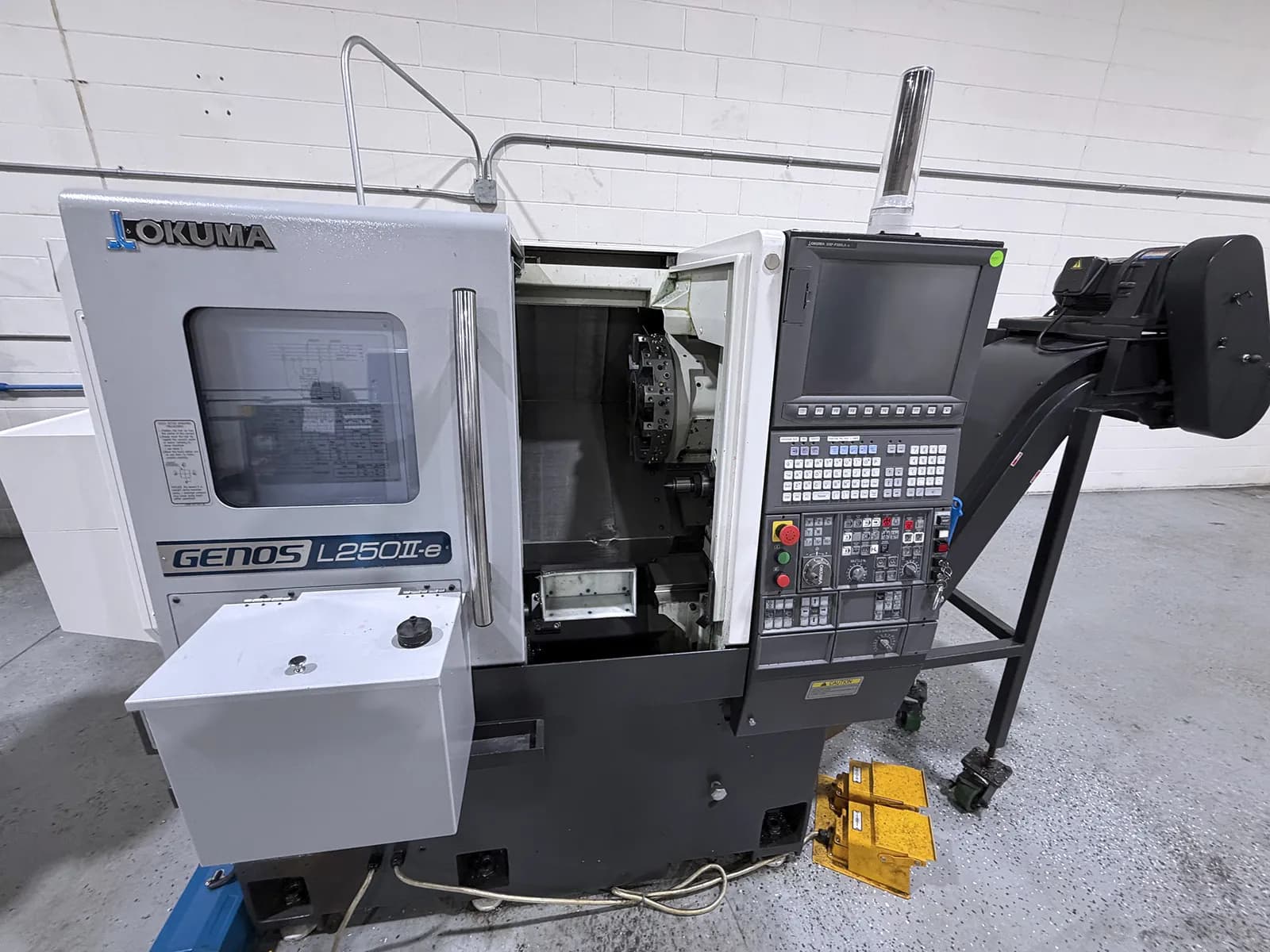
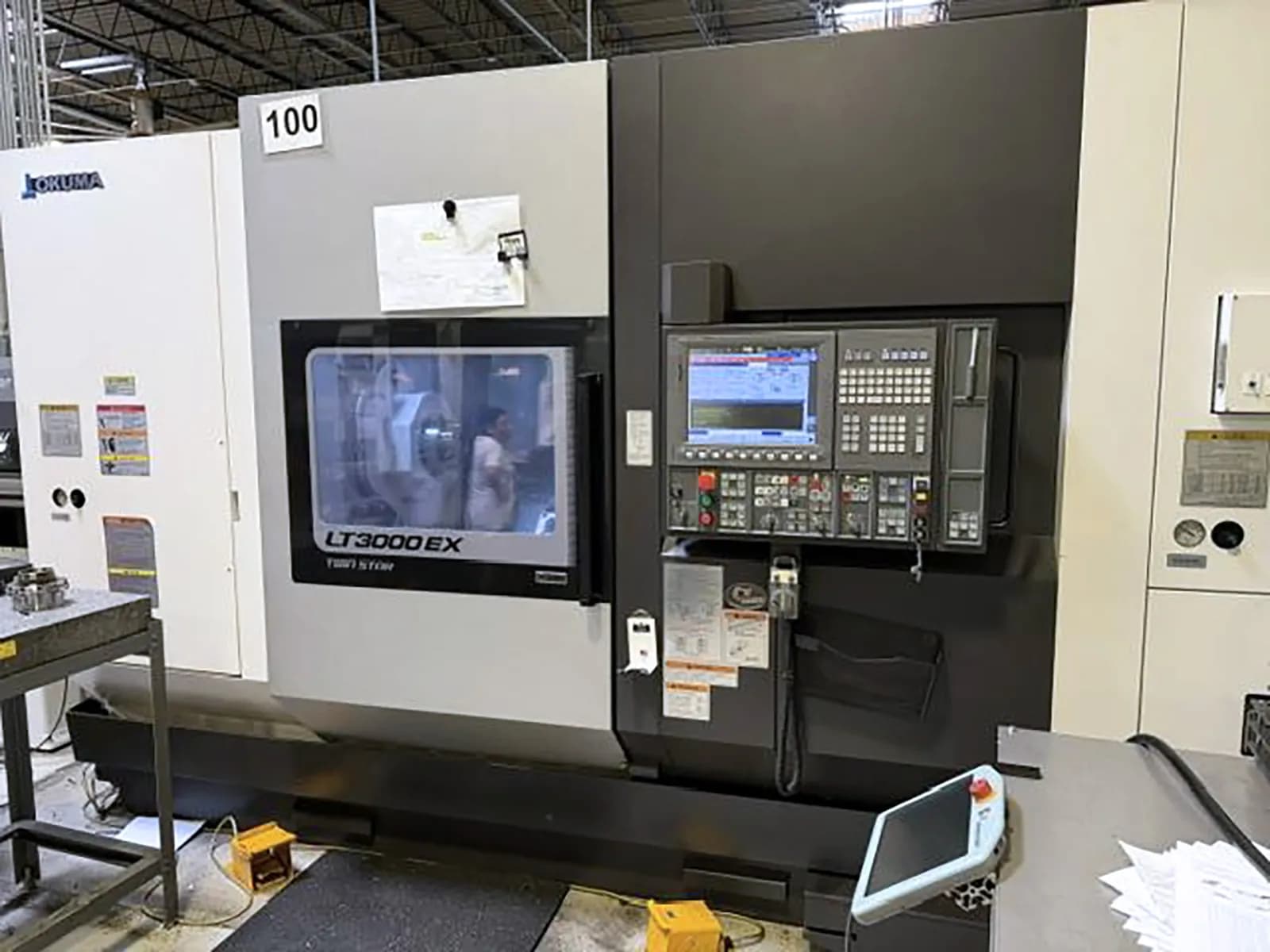
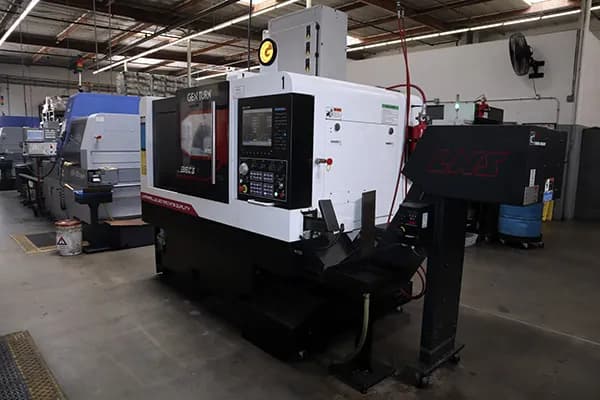

GET CASH VALUE
Turn Surplus CNC machines into Cash.
How Can MMI Help You Find the Right CNC Lathe?
MMI helps buyers match the right lathe configuration to the part, since 2-axis, live-tool, Y-axis, and multi-spindle machines all serve very different jobs and carry very different price points.
Here's what that looks like in practice:
- Application matching. We ask about part geometry, volume, and complexity, then point you toward the correct platform — standard 2-axis turning, live tooling, Y-axis, or multi-spindle — instead of just what's currently in stock.
- Control and tooling documentation. Every listing notes the control platform, turret configuration, and live tooling or sub-spindle capability, so you know exactly what you're buying.
- Financing and trade-in support. MMI helps structure financing on used CNC lathes and can factor in a trade-in of your existing machine.
- Nationwide and international rigging and logistics. Our logistics team manages disconnect, transport, and reinstallation, including recalibration considerations specific to precision turning centers.
- Model sourcing. If the exact configuration you need isn't currently listed, our team actively sources it through our network.
If you're not sure which CNC lathe fits your application, contact our machinery specialists or review financing options before you buy.
What Is a CNC Lathe?
A CNC lathe is a computer-controlled machine tool that shapes round parts by rotating the workpiece while cutting tools remain stationary — the opposite setup from a milling machine, where the tool rotates and the part stays fixed.
Most CNC lathes operate on two primary axes:
- X-Axis — controls the diameter of the cut
- Z-Axis — controls the length of the cut
Many modern turning centers add Y-axis capability, live tooling, and sub-spindles, allowing more complex operations to be completed in a single setup.
Common operations:
- Turning
- Facing
- Threading
- Drilling
- Boring
- Grooving
- Milling (with live tooling)
CNC lathes machine a wide range of materials, including steel, stainless steel, aluminum, titanium, brass, and plastics.
Major Types of CNC Lathes
2-Axis CNC Lathes. Traditional lathes operating on the X and Z axes, used for standard turning, facing, and threading.
Live Tool CNC Lathes. Include rotating cutting tools that allow milling, drilling, and tapping without removing the part from the machine.
Y-Axis CNC Lathes. Add off-center machining capability, making it possible to create complex features like milled flats and offset holes.
Multi-Spindle CNC Lathes. Built for high-volume production, running multiple spindles simultaneously to significantly increase throughput.
CNC Lathe Model Reference
| Brand and Series | Popular Models |
|---|---|
| Haas ST | Haas ST-10, Haas ST-20, Haas ST-30, Haas ST-40 |
| Mazak Quick Turn | Mazak Quick Turn 200, Mazak Quick Turn 250, Mazak Quick Turn Nexus Series |
| Okuma LB | Okuma LB3000, Okuma LB4000 |
| DN Solutions (Doosan) Puma | Doosan Puma 2100, Doosan Puma 2600, DN Solutions Puma GT Series |
| DMG Mori NLX | DMG Mori NLX 2500, DMG Mori NLX 3000 |
| Mori Seiki SL / NLX | Mori Seiki SL-250, Mori Seiki NLX 2500 |
| Nakamura-Tome WT / SC | Nakamura WT Series, Nakamura SC Series |
| Takamaz | Compact CNC turning centers for high-efficiency, automated production of smaller components |
Industries That Use CNC Lathes
CNC lathes are used across industries that depend on cylindrical, high-tolerance components, including:
- automotive manufacturing
- aerospace machining
- medical device production
- industrial machinery manufacturing
- energy equipment production
Because many mechanical components are round by design, CNC lathes remain one of the most widely used machine types in modern manufacturing.
Why Do Manufacturers Use CNC Lathes?
Manufacturers rely on CNC lathes because they deliver precision and repeatability that manual turning simply can't match at production scale.
- Efficient machining of cylindrical components. Purpose-built for round parts, from simple shafts to complex stepped geometries.
- High precision and repeatability. Computer control removes the variability of manual operation, part after part.
- Multiple operations in a single setup. Live tooling and sub-spindles combine turning, milling, and drilling without repositioning the part.
- Compatibility with automation. Bar feeders and robotic loading systems integrate directly with CNC lathes for unattended or high-volume production.
For shops comparing new versus used, a used CNC lathe typically delivers the same turning capability at a significant discount to new equipment pricing — which is where MMI's sourcing network adds the most value.
Looking for a CNC Lathe?
Tell us your chuck size, bar capacity, and live tooling needs, and our team will help you find the right turning center, in stock or sourced through our network.