
Used Robots, CMMs, & 3D Printers For Sale
Industrial robots, coordinate measuring machines (CMMs), and 3D printers are the automation, inspection, and additive manufacturing equipment reshaping modern production floors. MMI sources used equipment across all three categories from trusted sellers nationwide — including FANUC, ABB, KUKA, and Yaskawa Motoman robots, Zeiss and Hexagon CMMs, and industrial 3D printing systems — at a significant discount to new equipment pricing.
Filters
Reset AllBrand
Control
Price
Year of Manufacture
Condition
Relevance:
Showing 1-11 of (10) results
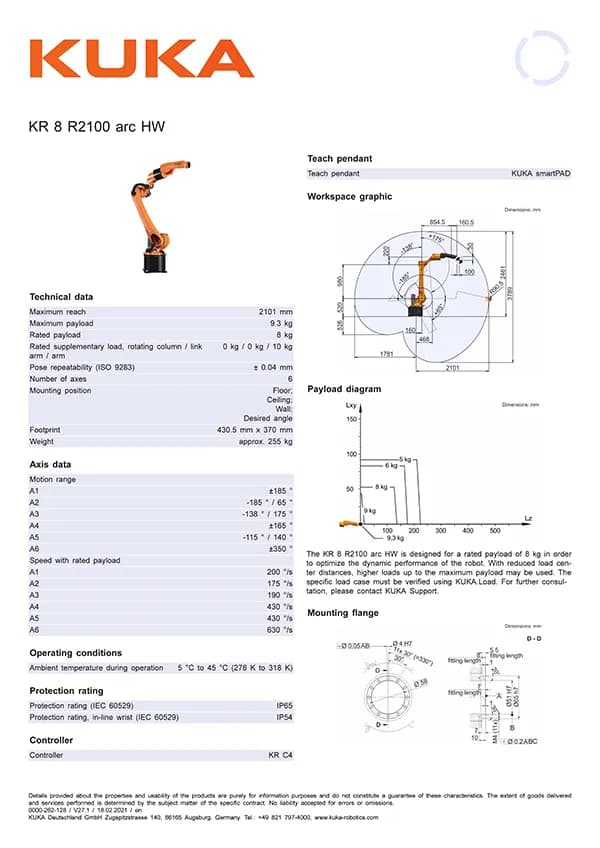
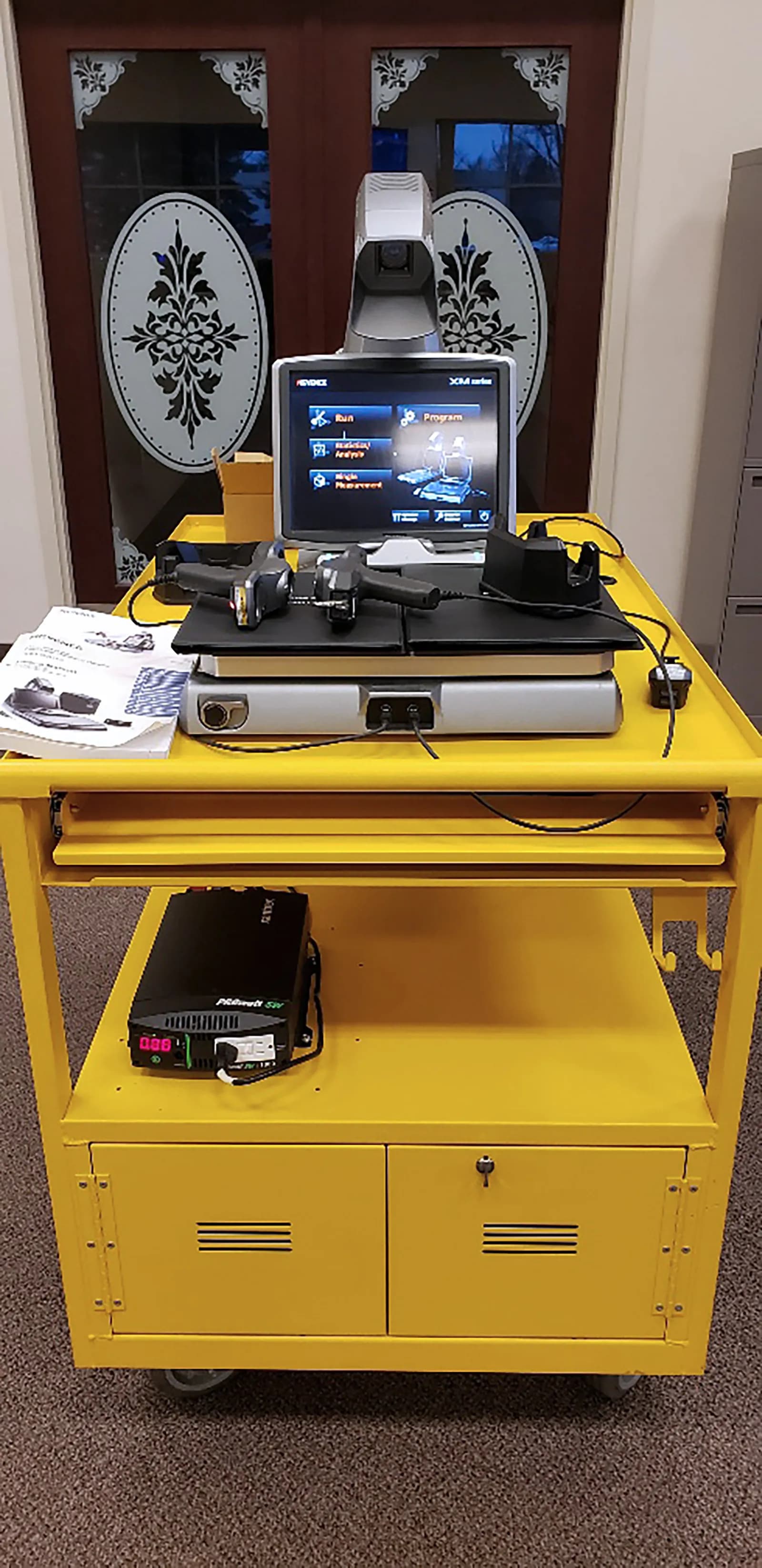
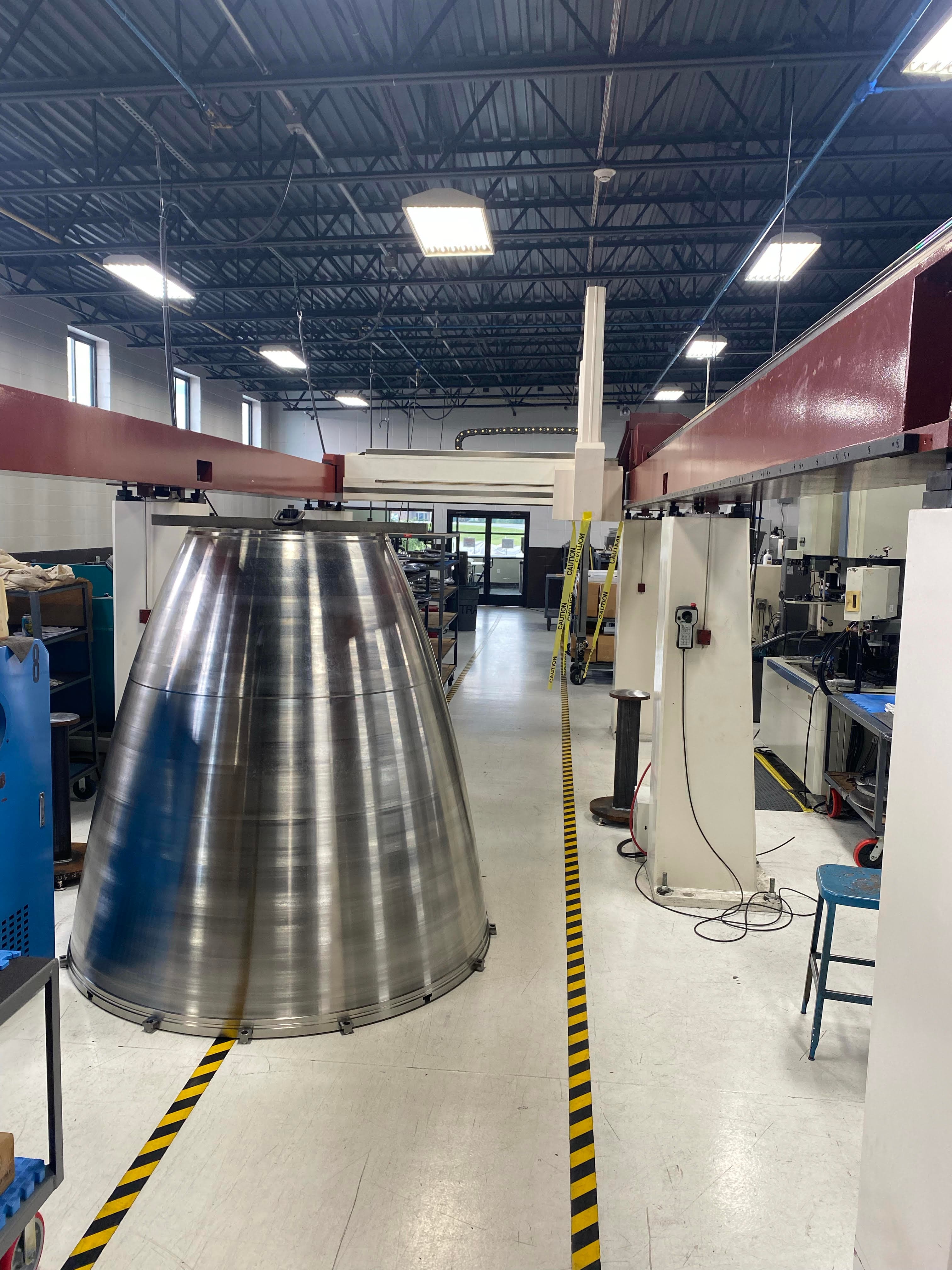
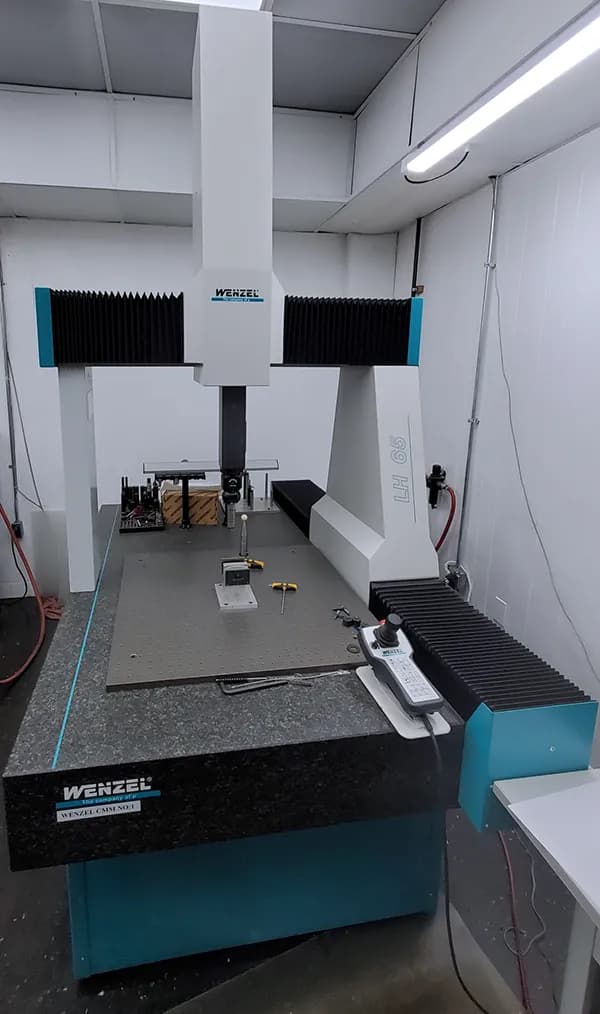
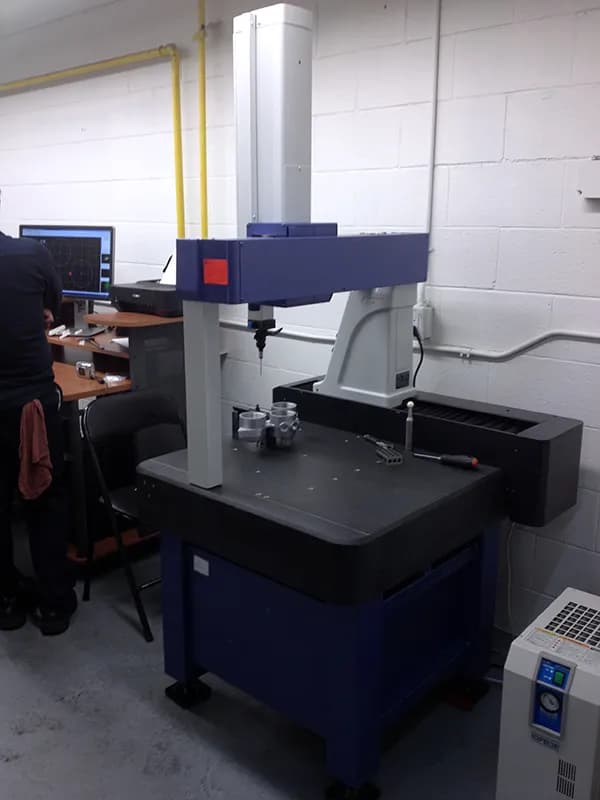

GET CASH VALUE
Turn Surplus CNC machines into Cash.
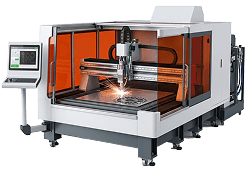
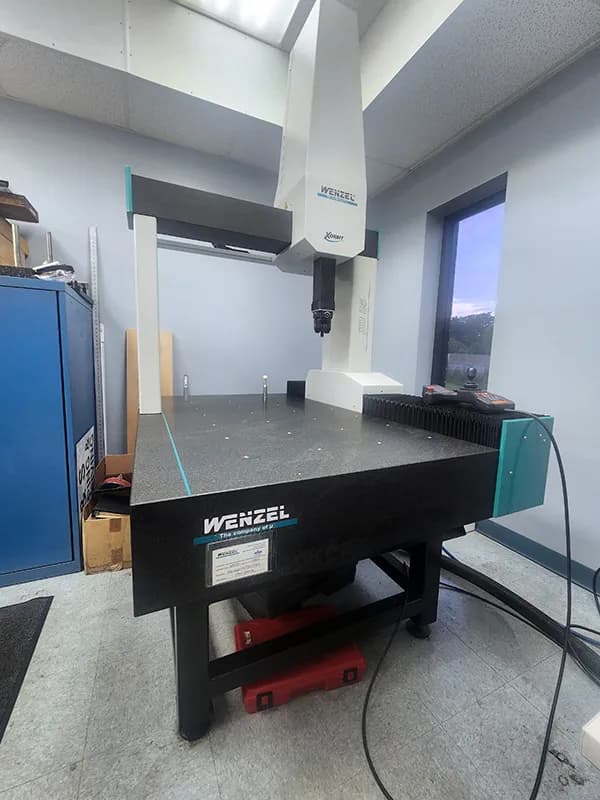
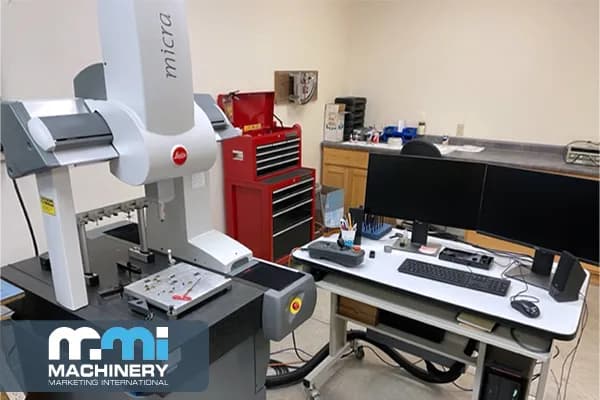
How Can MMI Help You Find the Right Robot, CMM, or 3D Printer?
MMI helps buyers narrow down the right equipment across all three categories, since robots, CMMs, and 3D printers each serve very different roles on a production floor.
- Application matching. We ask what the equipment needs to do — welding, material handling, inspection, prototyping — and point you toward the right category and brand instead of just what's currently in stock.
- Brand and model documentation. Listings note the controller platform (for robots), measurement axis and probe type (for CMMs), and build volume (for 3D printers), so you know exactly what you're buying.
- Financing and trade-in support. MMI helps structure financing on used equipment and can factor in a trade-in of existing machines.
- Nationwide and international logistics. Our logistics team manages disconnect, transport, and reinstallation.
- Model sourcing. If the exact equipment you need isn't currently listed, our team actively sources it through our network.
If you're not sure what fits your application, contact our team or review financing options before you buy.
What Is an Industrial Robot?
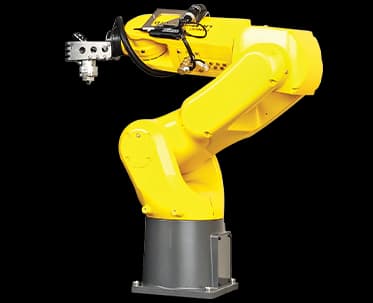
An industrial robot is a programmable, multi-axis machine used to automate repetitive or complex manufacturing tasks — welding, material handling, machine tending, palletizing, and assembly — with greater speed, consistency, and safety than manual labor.
Common robot types:
- Six-axis articulated robots — the most common industrial configuration, offering the widest range of motion for welding, handling, and assembly
- SCARA robots — faster, more limited-motion robots suited to pick-and-place and assembly work
- Collaborative robots (cobots) — designed to work safely alongside human operators without full safety fencing
Popular Industrial Robot Brands
| Brand | Common Series |
|---|---|
| FANUC | R-2000, M-20iD, ARC Mate |
| ABB | IRB 2600, IRB 6700 |
| KUKA | KR Series, KR C5 |
| Yaskawa Motoman | MH, GP Series |
| Kawasaki | F, E Series |
| Universal Robots | UR Series (cobots) |
Industries That Use Industrial Robots
- Automotive manufacturing
- Aerospace machining
- General fabrication and welding
- Material handling and warehousing
- Electronics assembly
Why Manufacturers Use Industrial Robots
- Consistency at scale. Robots perform repetitive tasks identically, cycle after cycle, without fatigue-driven variation.
- Improved safety. Automating welding, heavy lifting, and other hazardous tasks reduces operator injury risk.
- Lower long-term labor cost. A used robot typically pays for itself faster than continuing to staff a manual repetitive process.
- Flexibility across applications. The same robot platform can often be reprogrammed and re-tooled for a new task as production needs shift.
What Is a Coordinate Measuring Machine?
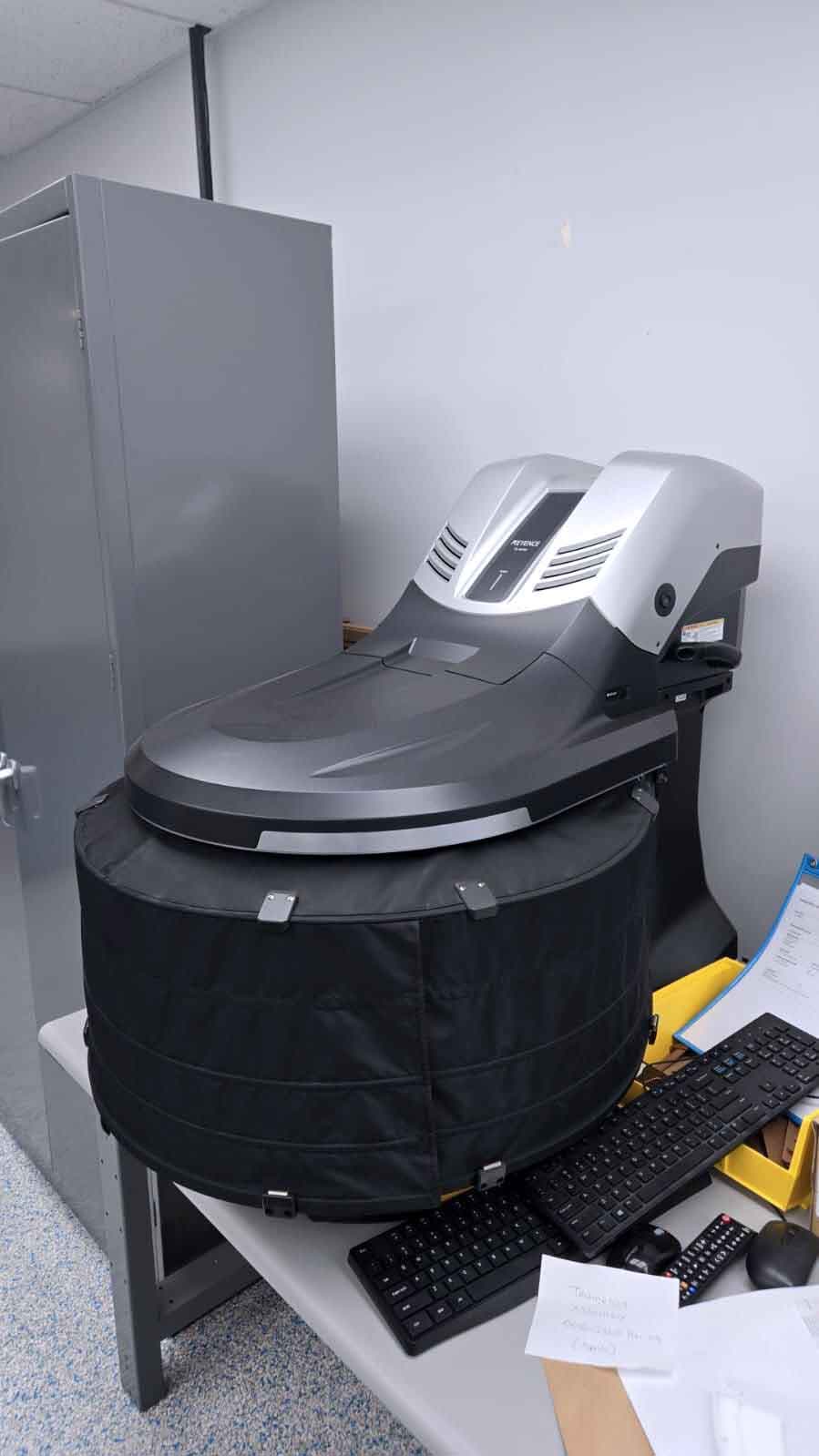
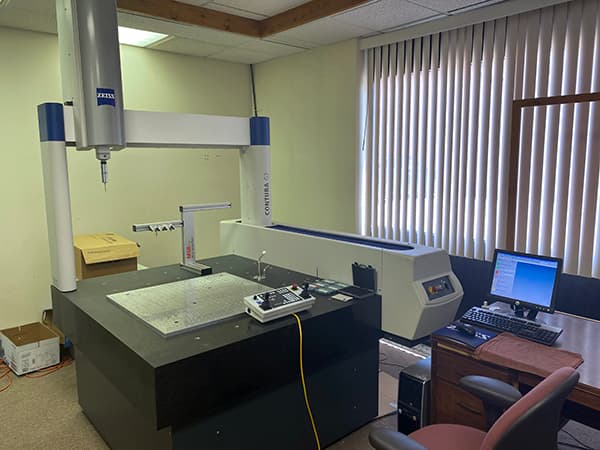
A coordinate measuring machine (CMM) measures the physical geometry of a part by detecting discrete points on its surface, using touch probes, laser scanners, or optical sensors, to confirm parts meet design specifications and tolerance requirements.
Main measurement axes:
- X-Axis — left to right movement
- Y-Axis — front to back movement
- Z-Axis — vertical movement
Types of CMM Machines
Bridge CMM. The most common type, used for high-precision inspection of medium to large parts.
Gantry CMM. Designed for large components such as aerospace structures and heavy equipment parts.
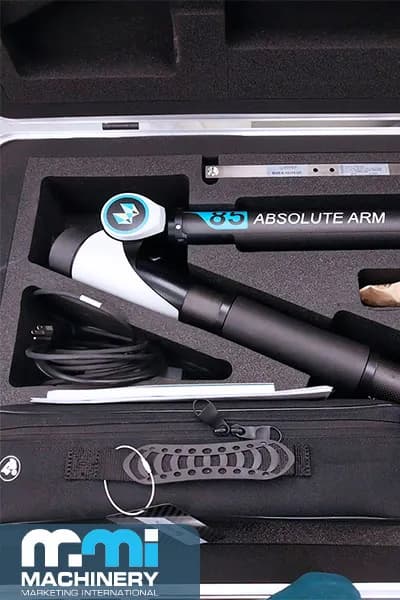
Portable CMM Arms. Flexible measurement systems used directly on the shop floor for large or complex parts.
CMM Model Reference
| Brand | Popular Models |
|---|---|
| Keyence | XM-500, XM-1000, XM-1200 (portable) |
| Zeiss | Contura G2 |
| Hexagon | Leitz Micra, Absolute Arm |
| Wenzel | LH65, XOrbit |
| Mitutoyo | Crysta-Plus Series |
| DEA | Gantry CMM systems |
Industries That Use CMM Machines
- Aerospace manufacturing
- Automotive production
- Medical device manufacturing
- Industrial equipment manufacturing
- Precision machining and engineering
Why Manufacturers Use CMM Machines
- High precision and accuracy
- Consistent, repeatable measurements
- Improved quality control
- Ability to inspect complex geometries
What Is Industrial 3D Printing?
Industrial 3D printing, or additive manufacturing, builds parts layer by layer directly from a digital design, rather than removing material like traditional machining. It's commonly used alongside CNC machining and CMM inspection to produce prototypes, complex geometries, and lightweight components that would be difficult or impossible to machine conventionally.
How 3D Printing Fits Into a Manufacturing Workflow
- 3D printers create prototype or near-net-shape parts
- CNC machines finish critical surfaces and tolerances
- CMM machines verify dimensional accuracy and quality
Industries That Use Industrial 3D Printing
- Aerospace manufacturing
- Medical device production
- Advanced engineering and prototyping
Why Manufacturers Use Industrial 3D Printers
- Faster prototyping. Parts can move from design to physical form in hours rather than the days a machined prototype might take.
- Complex geometries. Internal lattices and organic shapes that are difficult or impossible to machine are straightforward to print.
- Reduced material waste. Additive processes use only the material needed to build the part, compared to subtractive machining.
Looking for a Specific Robot, CMM, or 3D Printer?
Tell us what you're trying to accomplish — automation, inspection, or additive production — and our team will help you find the right equipment, in stock or sourced through our network.