
Used Press & Fabrication Machines For Sale
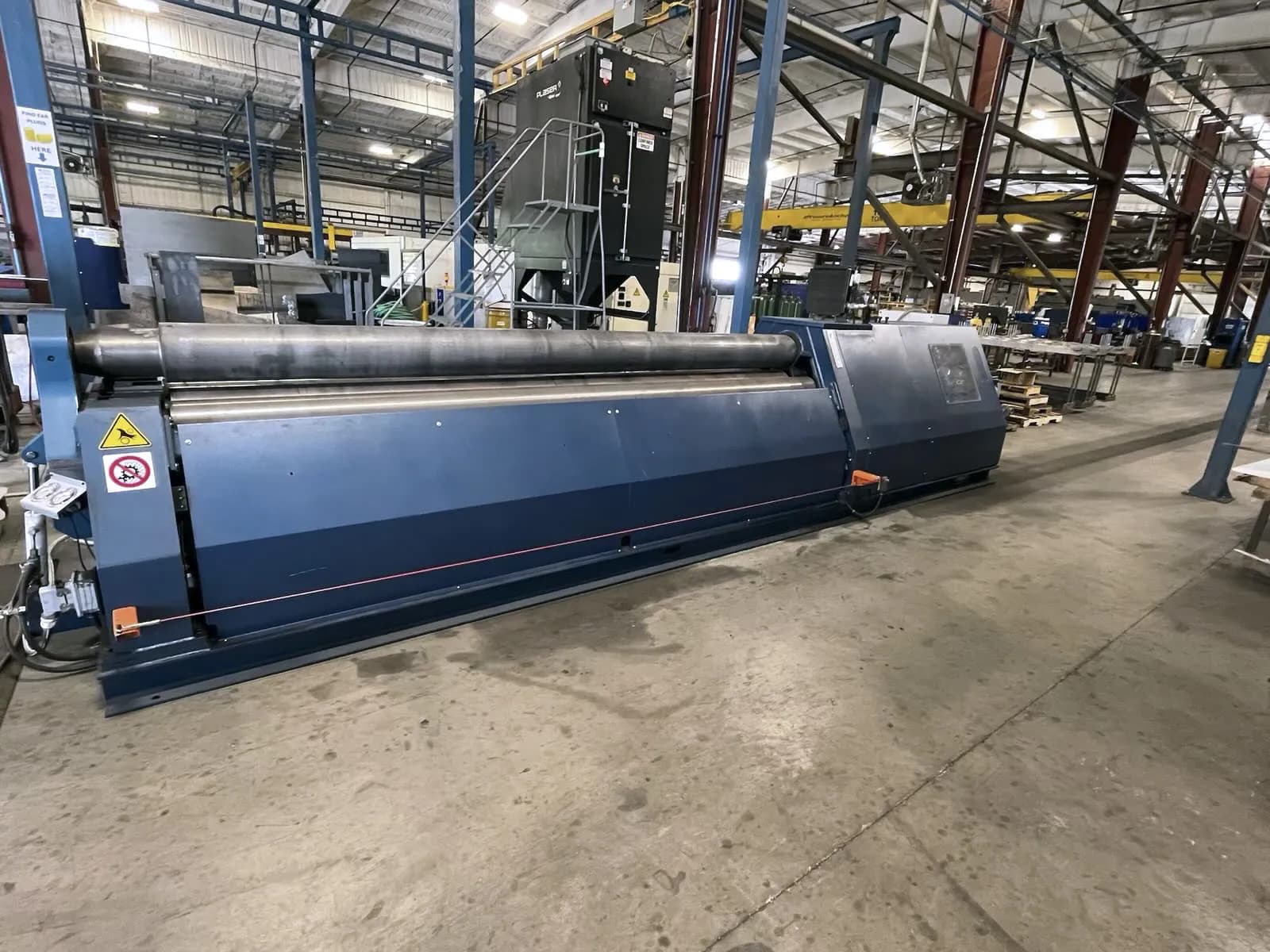
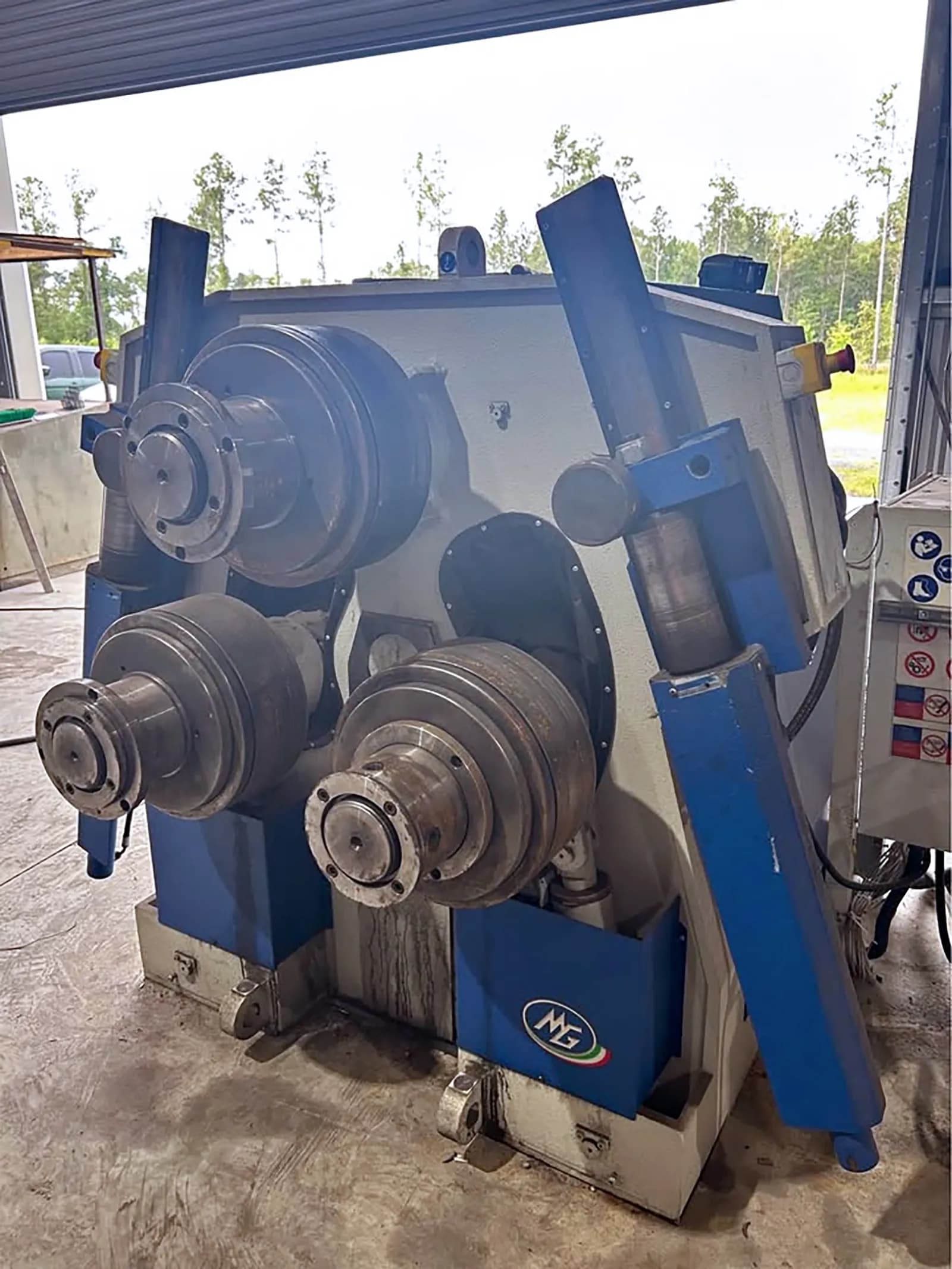
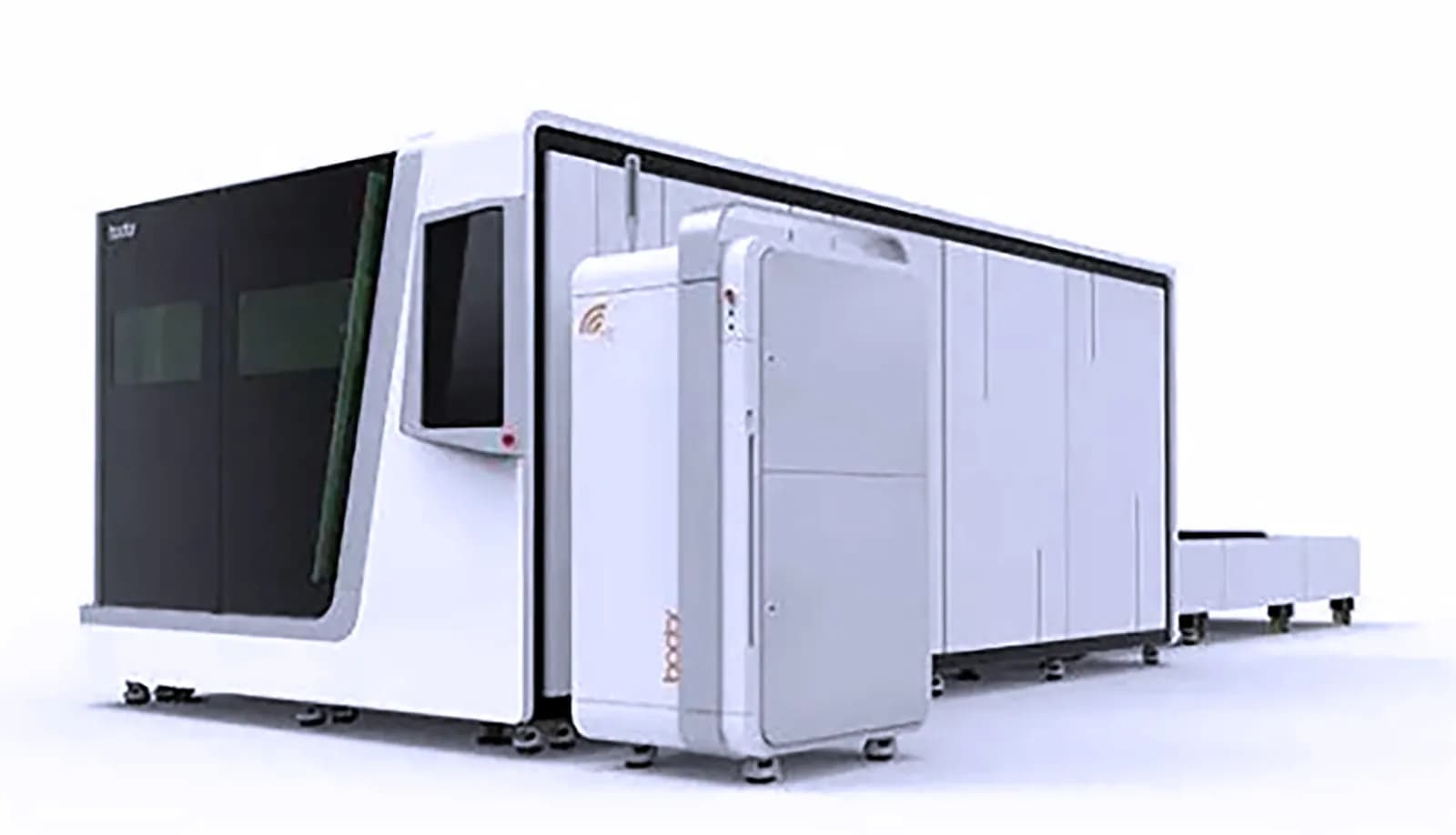
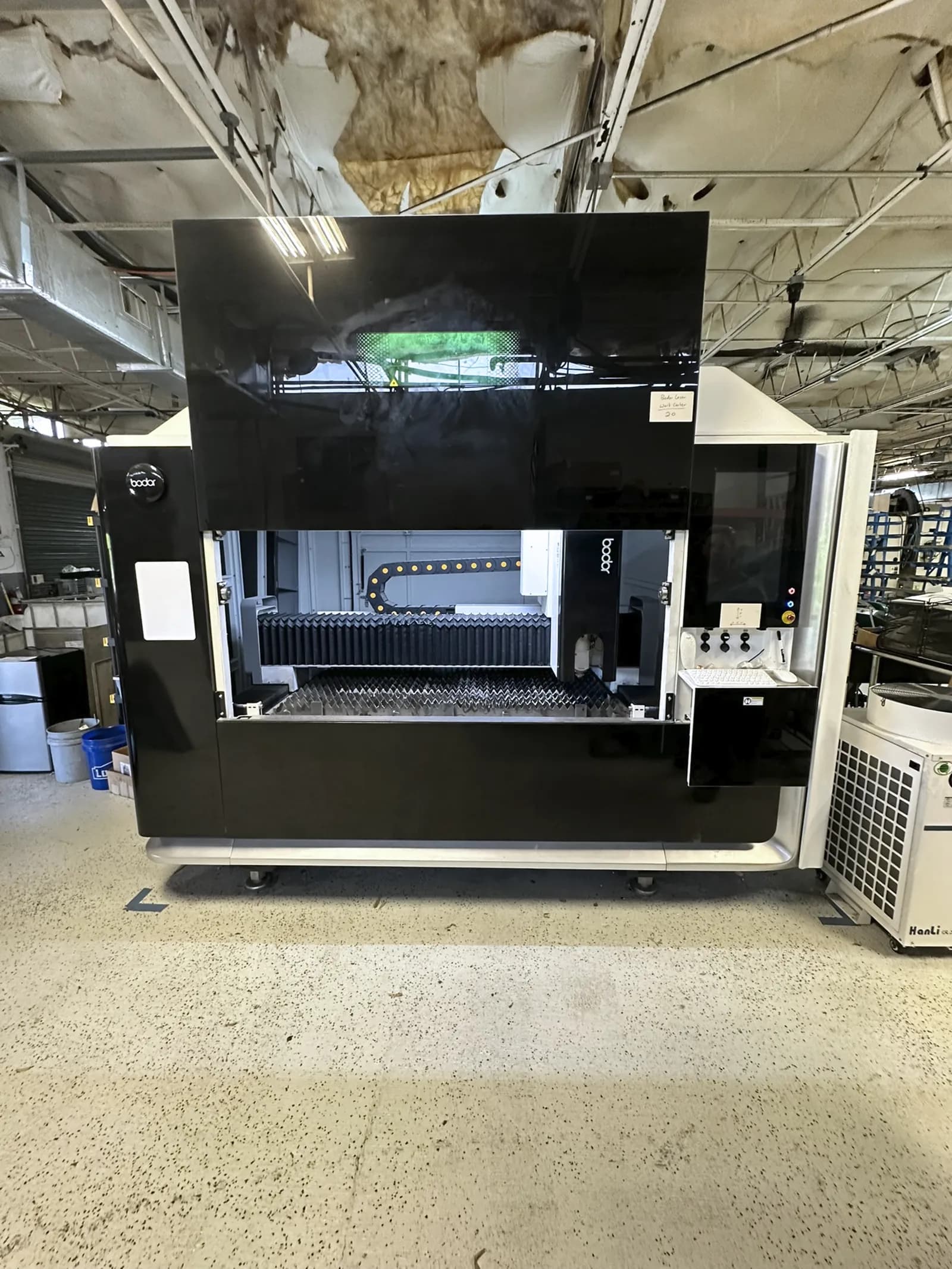
Press and fabrication machines shape, bend, cut, and form sheet metal using force rather than material removal, covering everything from press brakes and shears to CNC punch machines and hydraulic presses used across automotive, aerospace, HVAC, and general metal fabrication. MMI sources used fabrication equipment across all five categories directly from manufacturers and shops nationwide, giving you access to proven production equipment without the new machine price tag or lead time.
Filters
Reset AllBrand
Control
Price
Year of Manufacture
Condition
Relevance:
Showing 1-20 of (168) results

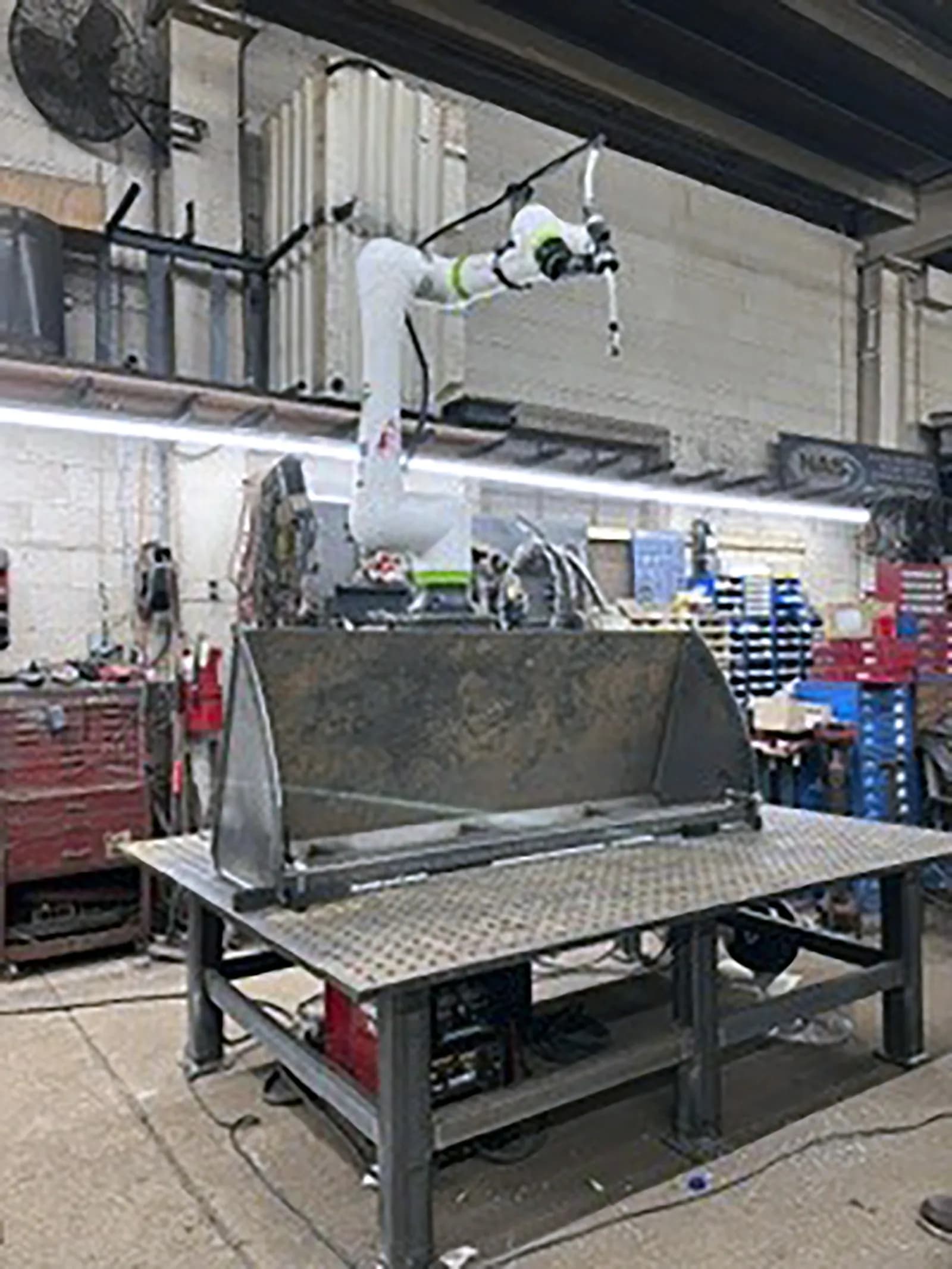
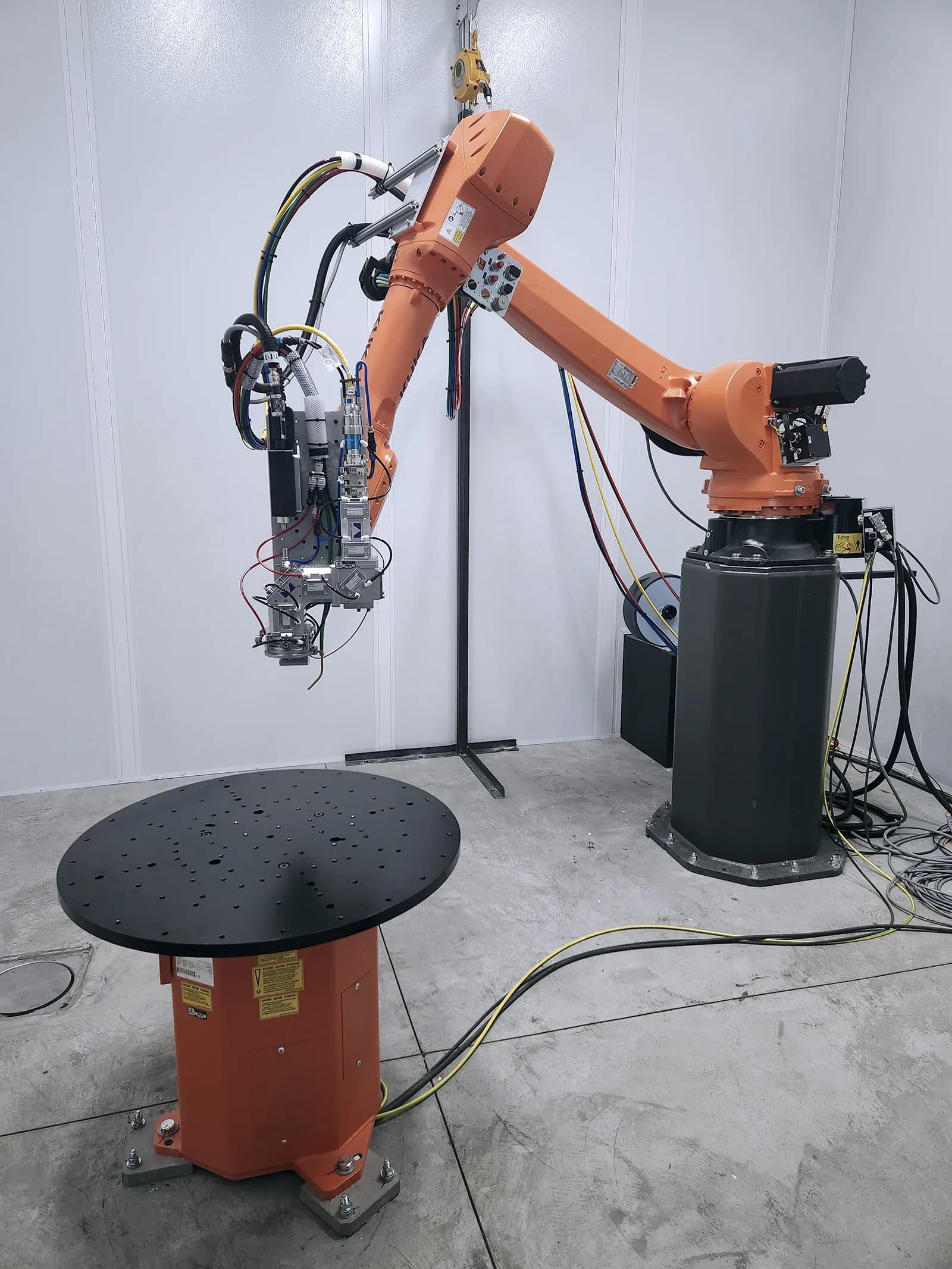
Lincoln FANUC CRX-25iA Robotic Welding Cell – Lincoln Electric Power Wave R450 2025
Year: 2025
Reference No.: #3797089


GET CASH VALUE
Turn Surplus CNC machines into Cash.
How Can MMI Help You Find the Right Fabrication Machine?
MMI helps buyers identify which category of fabrication equipment actually fits their production process, since press brakes, shears, punch machines, and hydraulic presses solve different problems and are often needed together as a full workflow, not as a single purchase.
Here is what that looks like in practice:
- Workflow matching. We ask what your shop is producing and where in the process you need equipment, cutting, bending, punching, or forming, then point you toward the correct machine category and tonnage instead of just what happens to be in stock.
- Tonnage and capacity documentation. Every listing across press brakes, shears, and hydraulic presses notes tonnage, bed length, and stroke, so you know exactly what capacity you are buying.
- Financing and trade in support. MMI helps structure financing on used fabrication equipment and can factor in a trade in of your existing machine.
- Nationwide and international rigging and logistics. Fabrication equipment is heavy and precision aligned. Our logistics team manages disconnect, transport, and reinstallation to keep machines in proper working alignment.
- Model sourcing. If the exact tonnage, bed length, or configuration you need is not currently listed, our team actively sources it from our network.
If you are not sure which fabrication machine fits your process, contact our machinery specialists or review financing options before you buy.
What Are Press and Fabrication Machines?
Press and fabrication machines transform flat sheet metal into finished components through cutting, bending, punching, forming, and stamping, using mechanical or hydraulic force rather than removing material the way a CNC mill or lathe does.
A typical fabrication workflow often uses several of these machines together:
- a shear cuts raw sheet metal to size
- a punch machine creates holes and features
- a press brake bends the material into shape
- a hydraulic press forms or stamps more complex components
Most fabrication shops run some combination of these machines to move raw sheet metal through cutting, punching, and forming into a finished part, often without ever moving the material to a separate cutting process outside the shop.
Types of Press and Fabrication Machines
| Category | What It Does | Common Variants |
|---|---|---|
| Press Brakes | Bends sheet metal into precise angles and forms | Hydraulic (heavy-duty, thick material), Electric (high-speed, precision, lower energy use) |
| Shearing Machines | Cuts sheet metal to size before forming | Hydraulic (thick material, high-force), Mechanical (fast cycle times, thinner material) |
| CNC Punch Machines | Creates holes, forms, and features using programmable tooling | Turret punch systems supporting forming, embossing, and louvers |
| Combo Punch-Laser Machines | Combines punching and laser cutting in one system | Reduces material handling and setup time between processes |
| Hydraulic Presses | Applies compressive force to form, shape, or assemble material | Used for stamping, forming, and deep drawing |
Each category serves a different stage of the fabrication process. A shop just starting to build out fabrication capability typically begins with a press brake and a shear, while higher-volume operations often add CNC punch or combo punch-laser systems to reduce manual handling between steps.
| Equipment Type | Where to Look |
|---|---|
| Press brakes (all tonnages) | Press Brakes category, Accurpress |
| Laser and combo punch-laser machines | Laser Cutting Machines category, Amada, Trumpf |
| CNC punch machines | Amada for Vipros and Apelio turret punch models |
| Shears and hydraulic presses | No dedicated category filter currently confirmed on your site, recommend browsing full inventory or contacting our team directly |
Industries That Use Press and Fabrication Machines
Press and fabrication machines are used across a wide range of manufacturing sectors, including:
- sheet metal fabrication
- automotive manufacturing
- aerospace production
- HVAC and ductwork manufacturing
- appliance manufacturing
- industrial equipment production
These industries rely on fabrication equipment to move raw sheet metal efficiently from cutting through forming, often running press brakes, shears, and punch machines as one connected production line.
Why Do Manufacturers Use Press and Fabrication Machines?
Manufacturers rely on press and fabrication equipment because it delivers efficient, repeatable sheet metal processing at nearly any production scale.
- Efficient processing of sheet metal. Cutting, punching, and bending on purpose-built machines is faster and more consistent than manual fabrication methods.
- Consistent and repeatable part production. Programmable press brakes and CNC punch systems hold tight tolerances across long production runs.
- Flexibility across multiple processes. A single shop can handle cutting, punching, and forming in-house rather than outsourcing each step.
- Scalable for low and high volume production. The same core equipment types support both small job shop runs and full production lines.
Because of these advantages, press and fabrication machines remain essential equipment in modern metal fabrication operations. For shops comparing new versus used, a used press brake, shear, or punch machine typically delivers the same forming and cutting capability at a significant discount to new equipment pricing, which is where MMI's sourcing network adds the most value.
Looking for a Press or Fabrication Machine?
Tell us what you are cutting, bending, or punching, and our team will help you find the right press brake, shear, or punch machine, in stock or sourced through our network.