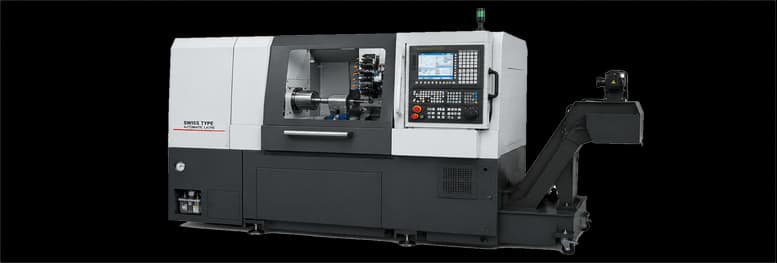

Used Swiss Lathe for Sale
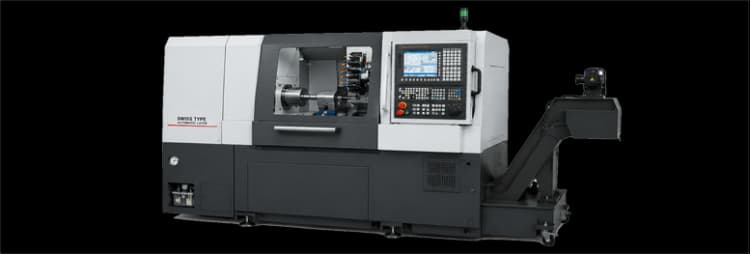
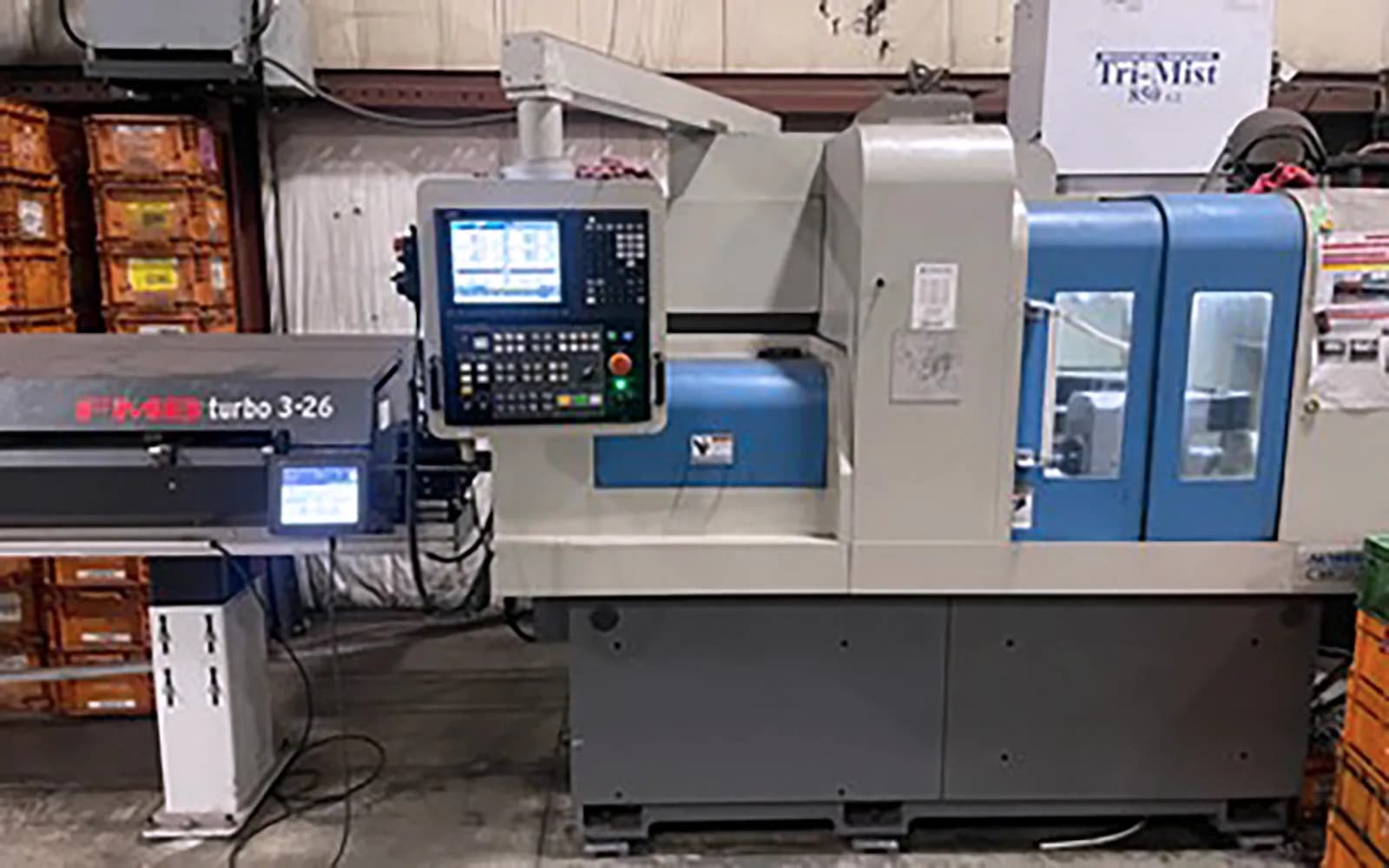
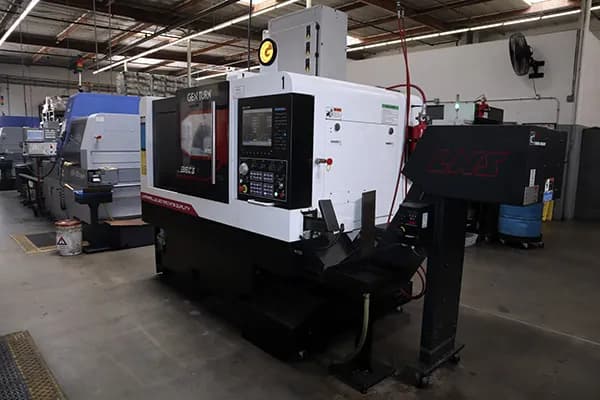
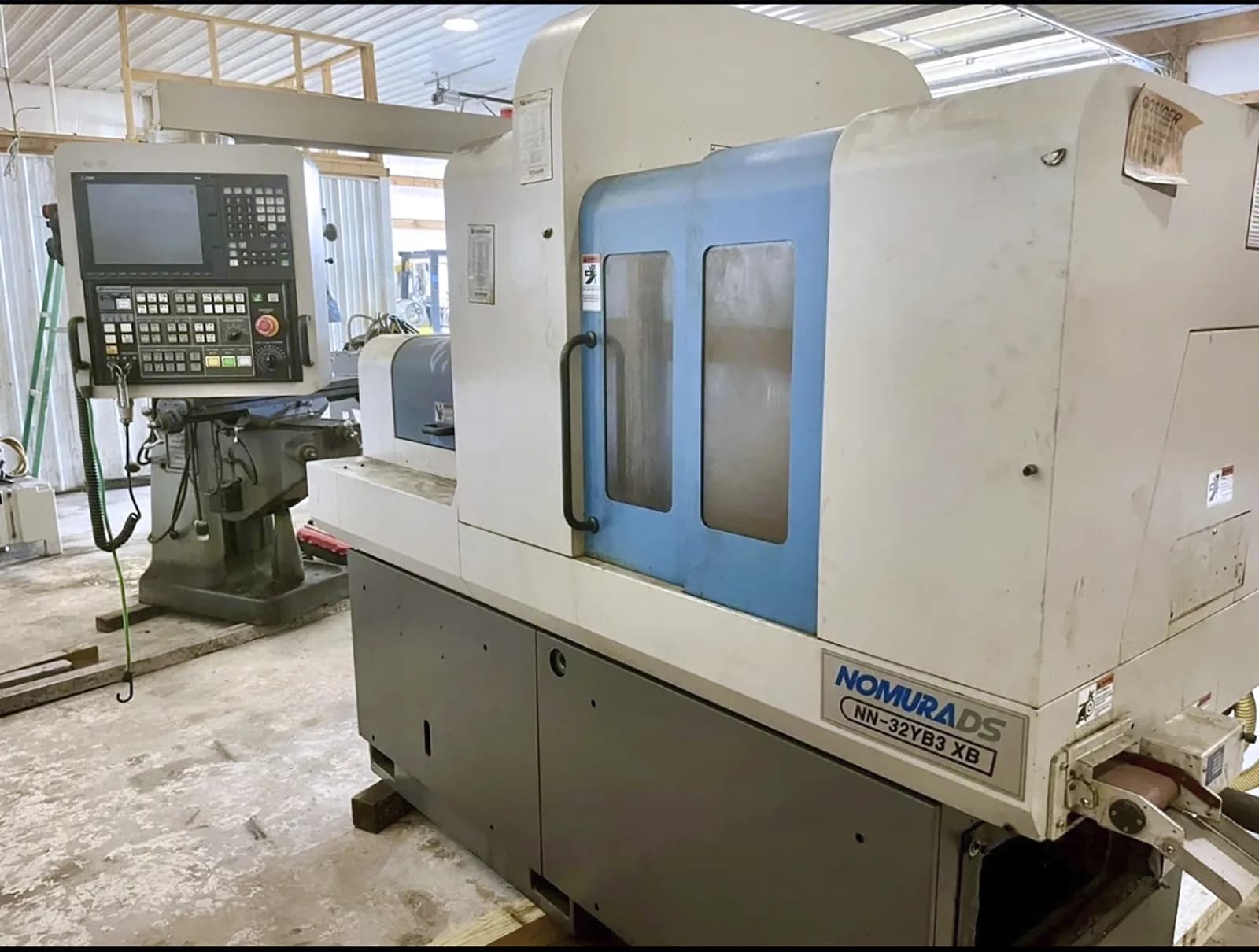
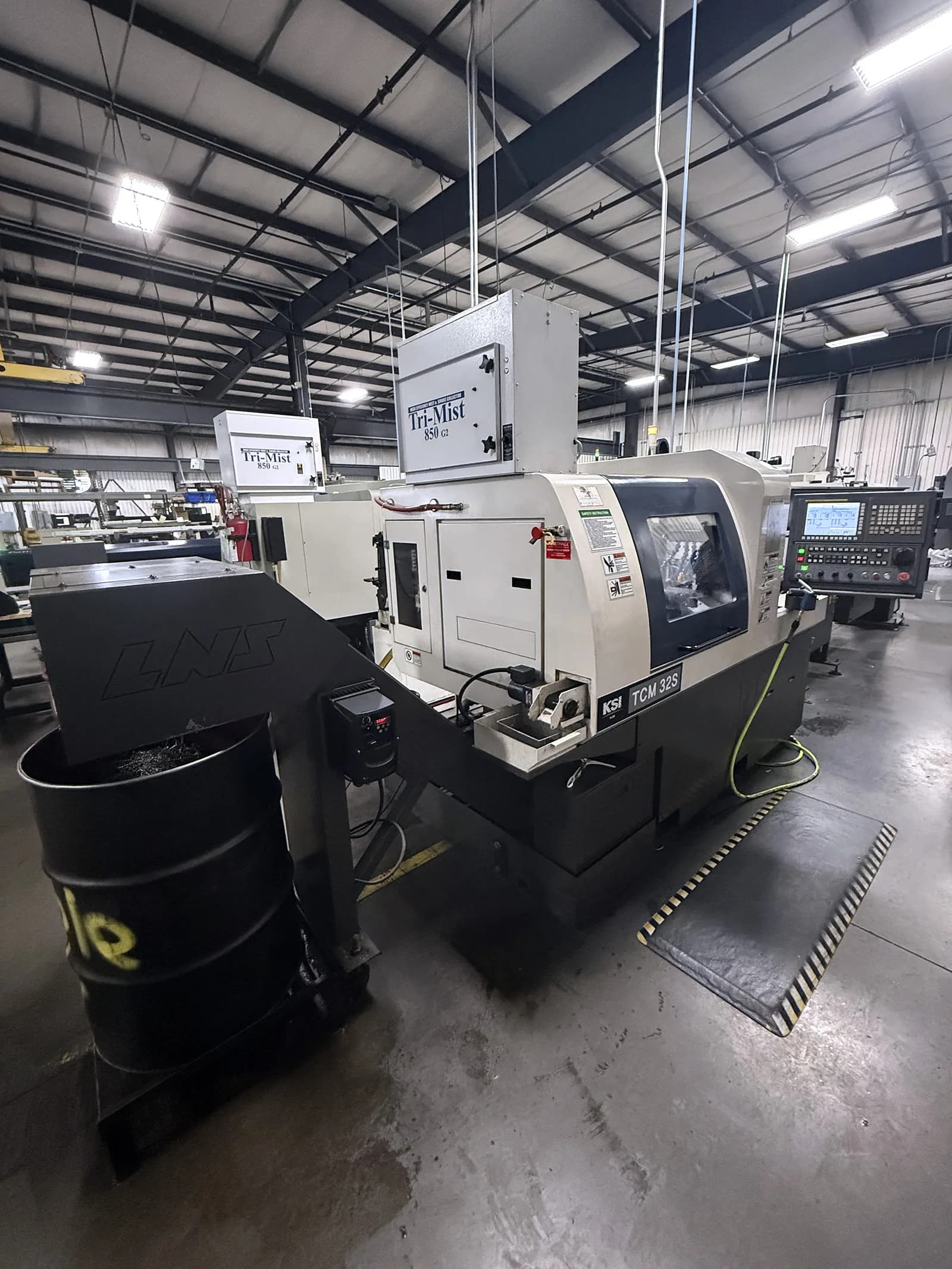
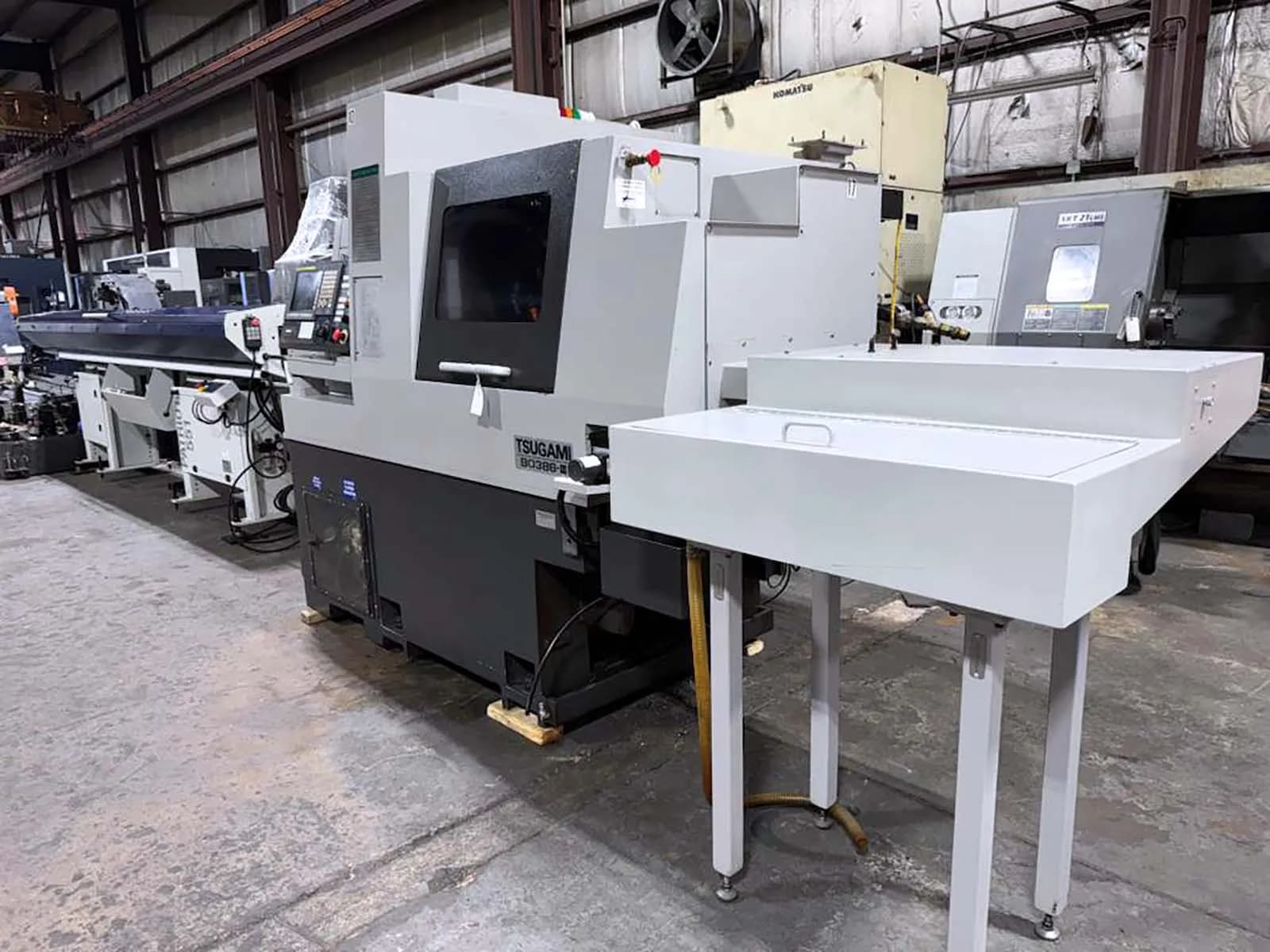
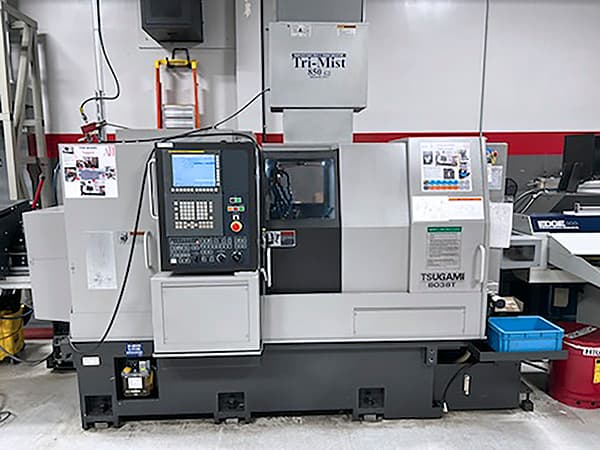
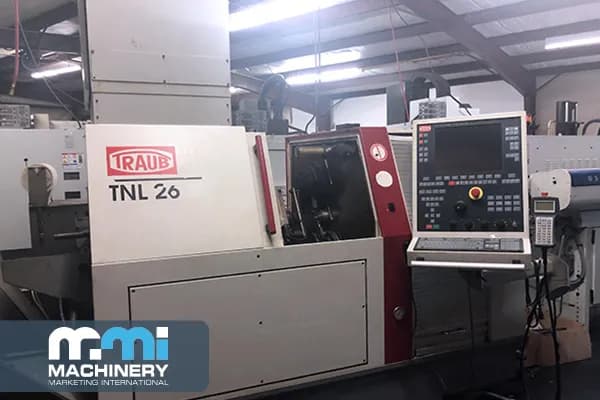
Swiss lathes, also called swiss-type lathes or screw machines, are precision CNC turning machines built with a sliding headstock and guide bushing that supports the workpiece close to the cutting tool, making them the standard choice for small, complex parts like surgical screws, electronic connectors, and precision fasteners across medical, aerospace, and electronics manufacturing. MMI sources used Citizen Cincom, Star, Tsugami, and Tornos swiss lathes directly from manufacturers, giving you access to proven high-precision production equipment without the new machine price tag or lead time.
Filters
Reset AllBrand
Control
Price
Year of Manufacture
Condition
Relevance:
Showing 1-8 of (7) results

GET CASH VALUE
Turn Surplus CNC machines into Cash.
How Can MMI Help You Find the Right Swiss Lathe?
MMI helps buyers match bar capacity, axis configuration, and tooling requirements to a specific swiss lathe series, rather than just pointing to whatever is currently in stock. Choosing the right machine depends heavily on part diameter, material, and whether your job needs live tooling or a sub-spindle for secondary operations.
Here is what that looks like in practice:
- Application matching. We ask about your typical part diameter, material, and required operations, then point you toward the correct brand and series, Citizen Cincom L or M series, Star SR series, Tsugami B or SS series, or Tornos Deco and EvoDeco.
- Control and axis documentation. Swiss lathes vary widely in axis count and control platform, from simple X and Z turning setups to full multi-axis machines with live tooling and sub-spindles. Every listing notes the configuration so you know exactly what you are buying.
- Financing and trade in support. MMI helps structure financing on used swiss lathes and can factor in a trade in of your existing machine.
- Nationwide and international rigging and logistics. Our logistics team manages disconnect, transport, and reinstallation for precision equipment that needs careful handling and recalibration.
- Model sourcing. If the exact bar capacity or axis configuration you need is not currently listed, our team actively sources it from our network.
If you are not sure which swiss lathe fits your application, contact our machinery specialists or review financing options before you buy.
What Is a Swiss Lathe?
A swiss lathe is a specialized CNC turning machine designed to machine small-diameter, high-precision parts by supporting the workpiece with a guide bushing positioned close to the cutting tool, rather than relying on the chuck alone the way a conventional lathe does. This design minimizes deflection and provides exceptional stability when machining long, slender parts.
Typical axis configurations include:
- X axis — tool movement controlling diameter
- Z axis — movement along the part length
- Y axis — off-center milling capability, standard on many current machines
- C axis — spindle indexing for milling operations
Many swiss lathes also include multiple tool stations and a sub-spindle, allowing several operations to run simultaneously rather than sequentially.
A swiss lathe can perform several operations on a single platform, including:
- turning
- drilling
- tapping
- threading
- milling
- slotting
These machines commonly machine stainless steel, titanium, brass, aluminum, and medical-grade alloys.
Popular Swiss Lathe Series
Several manufacturers produce well recognized swiss lathe platforms, each suited to a different bar capacity and application:
| Brand and Series | What It Is Best Suited For | Key Detail |
|---|---|---|
| Citizen Cincom L and M Series | Medical and electronics manufacturing | One of the most widely used swiss platforms in the industry, bar capacities from 12mm to 32mm |
| Star SR Series | High-volume precision production | Known for rigidity and hydraulic-free design on newer models |
| Tsugami B and SS Series | Medical device and aerospace manufacturing | Value and performance balance, wide range of axis configurations |
| Tornos Deco and EvoDeco Series | Ultra-precision, watchmaking-heritage machining | Swiss-built, TB-DECO control, larger bar capacity up to 38mm on select models |
Each series targets a different combination of precision, bar capacity, and budget. Shops running standard medical or electronics components typically look at the Citizen L Series or Star SR Series, while shops requiring the tightest tolerances or largest swiss-type bar capacity often shop Tornos Deco and EvoDeco platforms.
Swiss Lathe Model Reference
| Brand and Series | Description | Popular Models |
|---|---|---|
| Citizen Cincom L Series | Industry standard bar capacity range, 12mm to 32mm | Citizen Cincom L20, Citizen Cincom L32 |
| Citizen Cincom M Series | High-performance 5-axis swiss turning | Citizen Cincom M32 |
| Star SR Series | High-volume precision production turning | Star SR-20, Star SR-32 |
| Tsugami B Series | Compact to mid-capacity swiss turning with Y2 axis options | Tsugami B0126-V, Tsugami B0326-II, Tsugami B0385 |
| Tsugami SS Series | Multi-axis swiss turning for complex parts | Tsugami SS20, Tsugami SS207 5AX, Tsugami SS327-III-5AX |
| Tornos Deco Series | Established swiss turning platform | Tornos Deco 10, Tornos Deco 13, Tornos Deco 20, Tornos Deco 26 |
| Tornos EvoDeco Series | Top-tier swiss turning, largest bar capacity | Tornos EvoDeco 10, Tornos EvoDeco 16, Tornos EvoDeco 20, Tornos EvoDeco 32 |
Industries That Use Swiss Lathes
Swiss lathes are widely used in industries that require small, complex components machined to extremely tight tolerances. Common industries include:
- medical device manufacturing
- aerospace component production
- electronics manufacturing
- automotive component machining
- industrial equipment manufacturing
These machines are especially valuable for producing small precision parts such as surgical screws, electronic connectors, pins, and fasteners, where both dimensional accuracy and surface finish are critical.
Why Do Manufacturers Use Swiss Lathes?
Manufacturers rely on swiss lathes because they deliver a combination of precision and throughput that standard lathes cannot match on small parts.
- Exceptional accuracy on small components. The guide bushing design minimizes deflection, allowing swiss lathes to hold tolerances that would be difficult to achieve on a conventional lathe.
- Ability to machine long, slender parts. Supporting the workpiece close to the cutting tool prevents the whip and vibration that occurs when machining thin, elongated stock on a standard chuck-only lathe.
- High production efficiency. Multiple tool stations and sub-spindles let several operations run in one cycle, reducing part handling and cycle time.
- Multiple operations in one setup. A single swiss lathe can turn, drill, tap, thread, and mill without moving the part to a second machine.
- Excellent surface finish on precision parts. The stability of the guide bushing system contributes directly to finish quality on small, high-value components.
- Strong resale value. Because swiss lathes are precision investments built for long service life, used units continue to hold real value on the resale market.
For shops comparing new versus used, a used swiss lathe typically delivers the same precision and stability at a significant discount to new equipment pricing, which is where MMI's sourcing network adds the most value.
Find Used Swiss Lathe
Tell us your bar capacity, axis configuration, and tooling needs, and our team will help you find the right Citizen, Star, Tsugami, or Tornos machine, in stock or sourced through our network.