Aniket Pawar
A used vertical machining center buying guide: how to size a used VMC, what to inspect on the spindle, axes and control, and what moves its value.


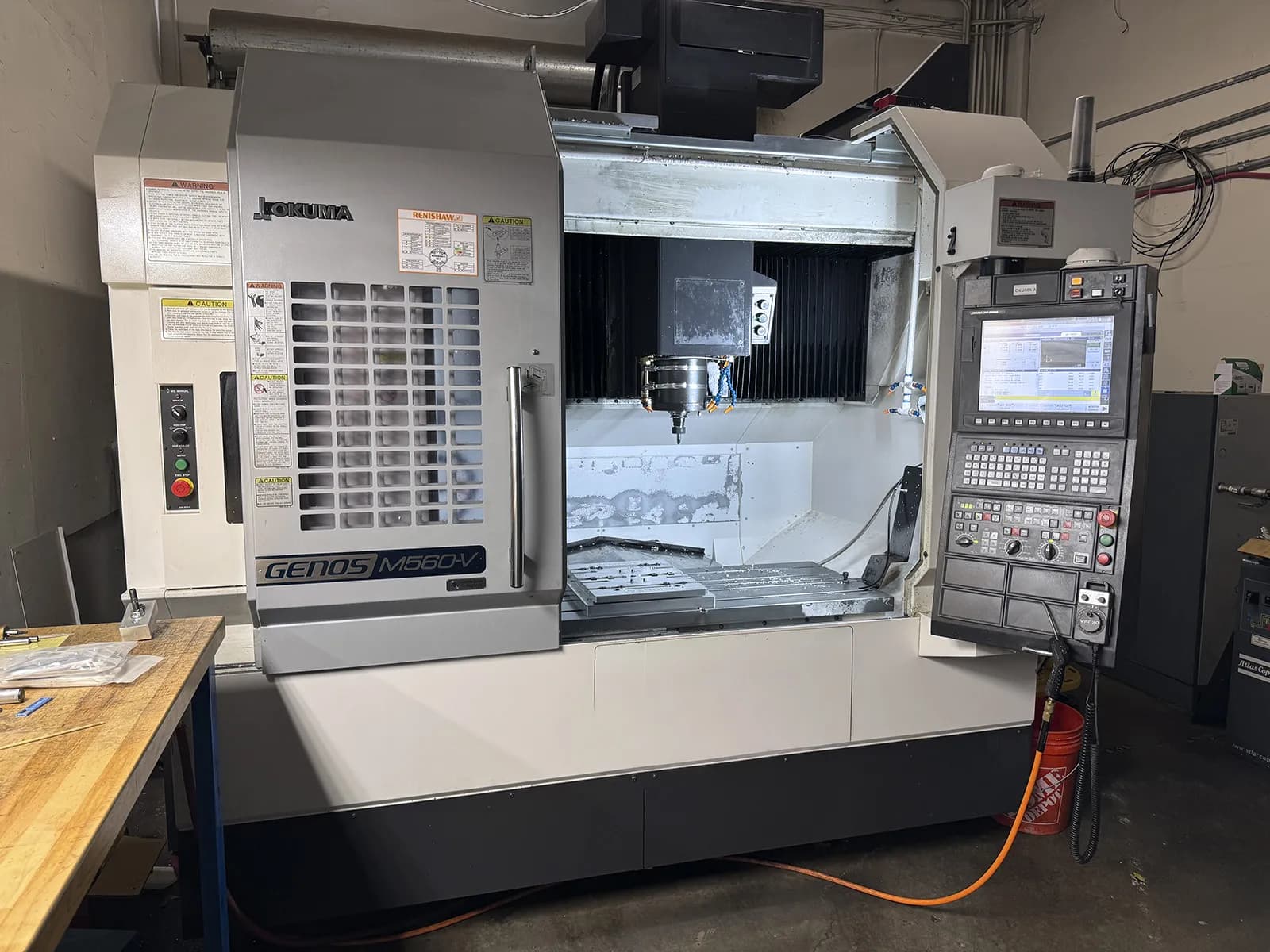
A used vertical machining center buying guide: how to size a used VMC, what to inspect on the spindle, axes and control, and what moves its value.
Nov 12, 2026
A good used vertical machining center has a spindle with honest hours and low runout, axes that hold position, a control that is still supported and the options your parts need. Check those four things under power before you buy, and size the machine to the parts you run most, not the biggest part you might run someday.
A VMC is the first CNC machining center most shops buy, and the used market is deep. That makes it easy to find a used vertical machining center and just as easy to buy the wrong one.
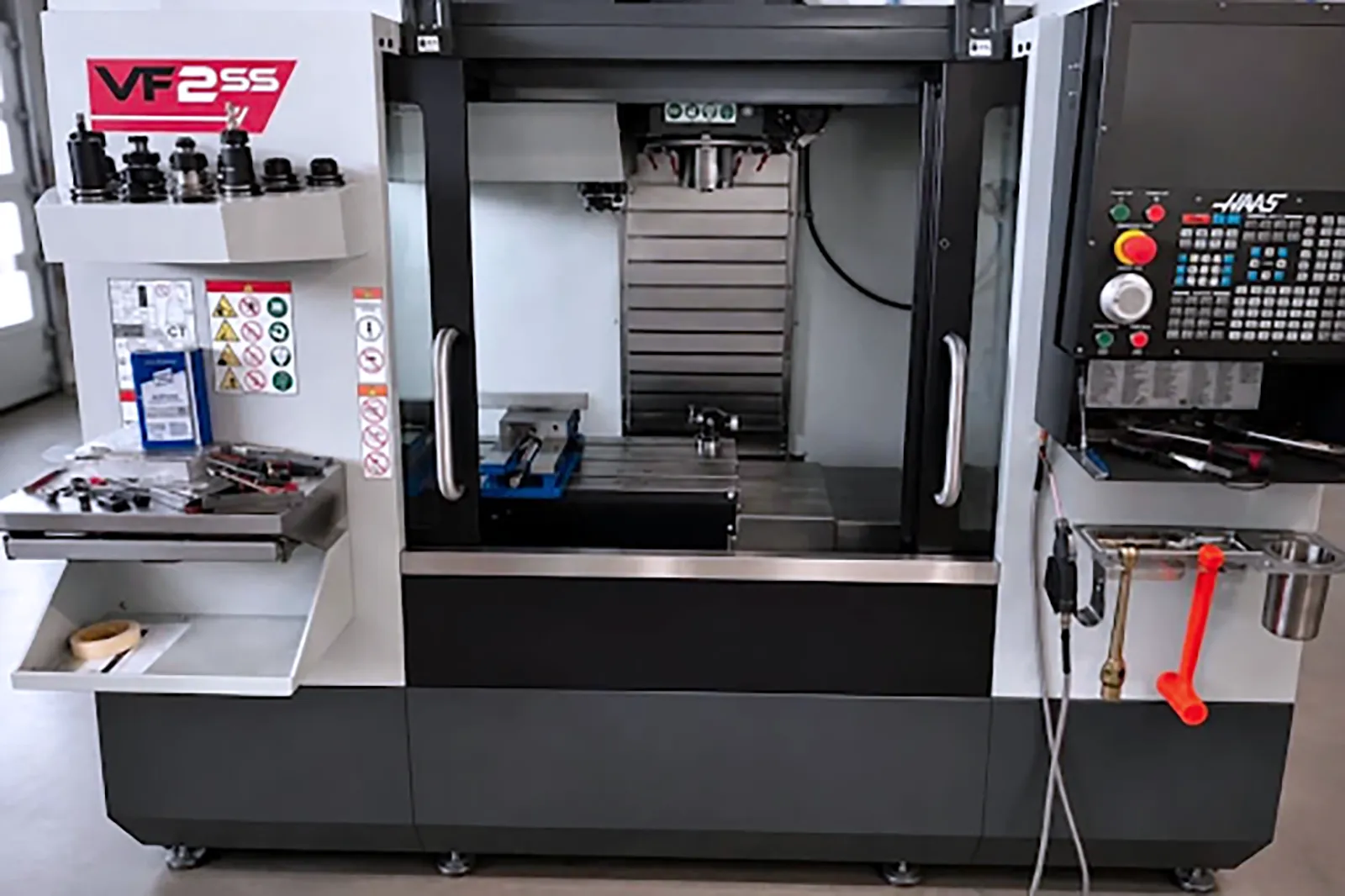
Start with your parts. A VMC is best suited to prototypes, short and medium runs, plate work, mold work and parts machined mainly from the top face; repeat production of multi-sided parts usually belongs on a horizontal. List the largest part you run regularly, the material and the tightest tolerance, then size the machine to those.
Travels: X, Y and Z travel need to clear your largest regular part plus the vise or fixture, with room in Z for long tools.
Table load: check the rated table load against your heaviest part plus fixtures.
Tool capacity: count the tools your typical job uses. A 20-tool carousel is tight for a shop running many jobs; 30 or more saves tool changes between jobs. Buy the capacity you need now, because the tool changer capacity on a used vertical machining center is fixed and cannot be upgraded later.
Tool changer style: a side-mount tool changer is preferred. An umbrella-style changer can cost you some usable Z travel.
Control: if your programmers and operators already know a control, buy a used vertical machining center with the same one. Either way, confirm the control is still supported and not obsolete.
Chip conveyor: confirm the machine comes with a chip conveyor and not just a chip pan.
A 40-taper spindle covers most job shop milling and gives you the widest choice of tooling. A 50-taper spindle takes heavy cuts in steel and hard materials but runs slower and costs more to tool. Some mold and die VMCs come with an HSK-63A spindle built for high-speed machining, and those need their own holders. Aluminum and small tools want spindle speed, often 10,000 to 15,000 rpm or more, while steel and heavy roughing want torque at lower speed. If you already own holders, buy a machine with the same taper so your tooling carries over.
Options drive a large share of a used vertical machining center's value, and some of them can only be added later if the machine was built for them. Check each one against the parts you plan to run.
4th and 5th axis drives: these drives sit in the electrical cabinet and let the control run a rotary table or trunnion. A machine can carry the drives without the rotary itself, which still makes adding one later straightforward.
Rotary tables and trunnions: a 4th axis rotary or 5th axis trunnion from builders like Tsudakoma, Nikken or Samchully lets one setup reach more sides of a part, which improves accuracy and cuts cycle time. MMI can help match a rotary to the machine.
Through-spindle coolant: TSC is an added option, not standard, with units from builders like ChipBlaster. It comes at 300, 500 and 1,000 psi, and value rises with pressure. If the machine has no TSC, check whether the spindle is plumbed for it. A plumbed spindle can take a TSC unit later; an unplumbed spindle cannot, even with a new high-pressure pump.
Renishaw probing: also not standard. If the machine has no probe, open the electrical cabinet and look for a Renishaw interface. With the interface in place, adding probing is simple. Without it, adding probing costs more.
Tool setter: measures tool length automatically. On a machine that already has probing, adding one is easy.
Pallet changer: an operator loads one pallet while the other is in the machine, which cuts setup time and keeps the spindle cutting. Some VMCs ship with one, and aftermarket builders like Midaco can add one to many others.

Inspect the machine under power whenever you can. A VMC that cannot be powered up is a gamble.
Spindle: ask for spindle hours. Run the spindle across its speed range and listen for bearing noise. Check runout with an indicator in the taper; low runout and quiet bearings are what you are paying for.
Axes and ways: jog each axis end to end and watch for hesitation or noise. Check backlash with an indicator. On box-way machines, look at the way covers and wipers for damage that lets chips in.
Tool changer: run several full tool changes. Watch for hesitation, dropped tools or alarms.
Control: check the alarm history and the control version. Confirm the control powers up cleanly and that parameters and options are backed up.
Coolant and chips: look in the coolant tank and the chip conveyor. A tank full of sludge says how the machine was kept, and through-spindle coolant should hold pressure.
Warm-up cycle: if the machine has a warm-up program, have the operator run it during the inspection.
A test cut: if the seller can, have the machine cut a part, or at least run a circle and check it with a ballbar.
Get the service records. A used vertical machining center with a documented spindle rebuild and regular maintenance is worth more than one with neither.
Used vertical machining centers sell for roughly $15,000 to $175,000+. Older small-travel machines with dated controls, like early Fadal and Haas VF models, sit at the low end. Late-model Haas, Okuma, Mazak and DMG MORI machines with high-speed spindles, a 4th or 5th axis and probing sit at the high end.
MMI quotes every machine individually. Brand and model come first: Haas verticals sell fastest, while Okuma, Makino and Mazak verticals hold their value longest. Year and control generation come next, since a newer control holds more programs, runs faster and is easier to staff. Spindle hours and condition follow. The options above add value when they work, and a machine a buyer can watch cut is worth more than one that has been sitting cold.
Spindle and ball screw wear: bearing noise and high runout mean a spindle rebuild. A spindle rebuild or ball screw replacement is the most common expensive repair on a used VMC, so check both.
Crashes: a hard crash can bend the spindle or knock the head out of alignment. Ask directly, check the alarm history and indicate the spindle to the table.
Way cover damage: torn covers let chips into the ways and ball screws.
Tool changer problems: worn grippers or a misaligned carousel cause dropped tools and alarms.
Old or unsupported controls: parts for some older controls are hard to find, which drags down an otherwise sound machine.
Missing options: confirm that the options listed are enabled on the control, not just in the brochure.
Abrasive work: avoid machines that have cut fiberglass or graphite. The dust wears ways, ball screws and seals.

For most job shops, a pre-owned Haas VF-series vertical is the easiest place to start: they are everywhere, parts are easy to get, and almost any machinist can run one. For tighter tolerance in production, look at Okuma, Makino, Mazak and Doosan. Haas, Okuma and Mazak build their own controls, while Doosan and many others run a Fanuc control, which most programmers already know. Our guide to the best CNC milling machine brands ranks them by how well they hold value.
MMI stocks verticals from Haas, Doosan, Okuma, Mazak, Makino and Kitamura, inspected in its warehouse south of Chicago. Browse used vertical machining centers, or ask MMI to find a specific model and travel size. Selling a VMC to make room? Start with a machine valuation.
Spindle hours and runout, axes that move smoothly with little backlash, a reliable tool changer, a supported control and the options your parts need. Check all of it under power before you buy a used vertical machining center.
Hours alone do not decide it. A machine with high hours and a documented spindle rebuild can be a better buy than a low-hour machine that was crashed or neglected. Ask for spindle hours and service records together.
Most second-hand machines sell as is, so ask the seller what inspection, testing or guarantee comes with the machine. MMI inspects machines in its warehouse and can show them running under power before you buy.
Yes. Equipment financing and leasing are common for CNC machines. See MMI's used CNC financing options.
A VMC costs less, sets up faster and suits short runs. A horizontal keeps the spindle cutting more of the day on repeat production.Used Vertical Machining Center Buying Guide

A used vertical machining center buying guide: how to size a used VMC, what to inspect on the spindle, axes and control, and what moves its value.


Get the latest industry insights and machinery tips delivered to your inbox.
Access a global network of verified industrial equipment, get expert guidance, and close deals faster with MMI Direct’s full-service platform. From sourcing to logistics, we handle it all.


Copyright © 2026 MMI. All rights reserved.


